Wine Racks That Fit Your Collection and Home
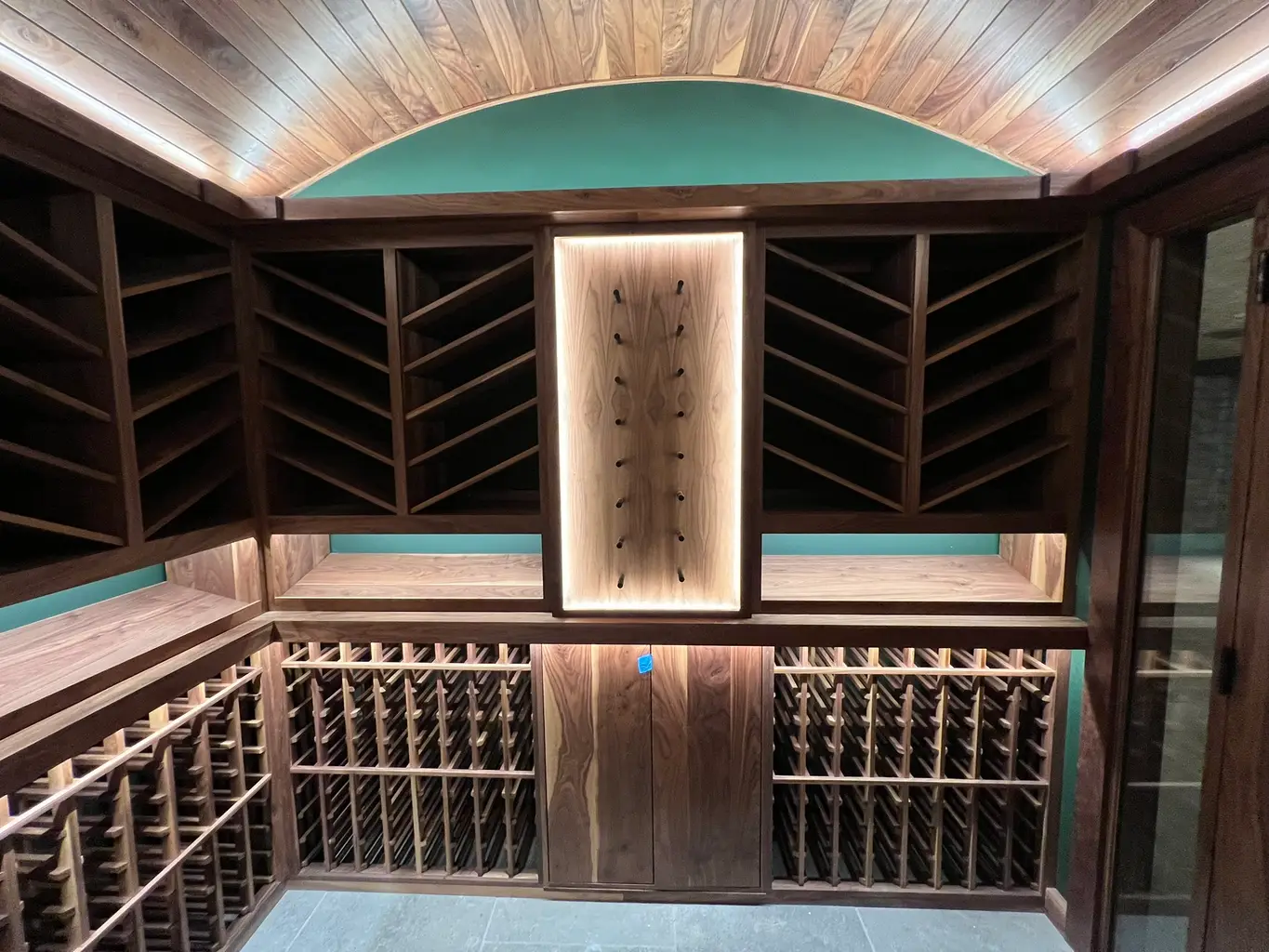
*Pictures are renderings. Actual wine racks may look different
A wine collection rarely stays the same size for long. A few favorite bottles can become cases, then vintages worth saving, then a storage challenge that deserves more than a kitchen counter or cardboard box. The right wine racks make room to grow while protecting bottles, simplifying inventory, and giving your collection the presentation it deserves.
Choosing storage is not simply a matter of finding a rack that holds a certain number of bottles. It is a design decision with practical consequences: where the bottles will sit, how easily they can be reached, whether the room needs cooling, and how the finished installation will relate to the rest of your home or business. A well-planned system can be modest and highly functional, or it can become the architectural focal point of a dedicated wine room.
Start With the Collection You Have - and the One You Expect
Capacity is the first question, but the answer should account for more than the bottles currently on hand. A rack filled to its absolute limit leaves little room for new purchases, special releases, or bottles set aside for long-term aging. For many residential collectors, planning for at least 25 to 50 percent more capacity than the current collection creates a more useful, flexible installation.
Bottle variety matters just as much. Standard 750 mL Bordeaux bottles fit efficiently in most traditional storage configurations, but many collections include wider Burgundy and Pinot Noir bottles, Champagne, magnums, or irregular specialty bottles. Those formats can affect both the depth and spacing of the rack. A design that looks generous on paper may feel cramped once wider bottles enter the mix.
Think about how you buy and drink wine, too. If you purchase by the case, case storage can keep unopened boxes organized while label-forward display racks reserve individual bottles for easy selection. If you maintain a rotating everyday selection alongside long-term investments, separate zones can prevent frequent handling of aging bottles. This is one reason a modular system is often a smart starting point: it can evolve as collecting habits change.
Plan for access, not just bottle count
A large capacity is less valuable if finding a specific bottle requires moving half the collection. Individual cubbies, diamond bins, horizontal display rows, and label-forward systems each solve a different access problem. Traditional horizontal storage keeps corks moist and uses space efficiently. Display rows make a producer, vintage, or label visible at a glance. Bulk bins provide economical capacity for cases or everyday bottles.
The best combination depends on the collection. Serious collectors often favor an organized blend of individual storage for valuable bottles, bins for case purchases, and display space for favorites. Restaurants and hospitality spaces may prioritize fast service, inventory visibility, and durable high-capacity fixtures instead.
Wine Racks Should Match the Room's Architecture
A rack can be freestanding, wall-mounted, recessed into cabinetry, or built into a fully finished cellar. Before selecting materials or configurations, measure more than the available wall. Note ceiling height, door swing, walkways, outlets, lighting locations, and any obstructions such as soffits or ductwork. In a compact closet cellar, every inch matters. In a larger wine room, the goal is to balance storage density with comfortable circulation and visual impact.
Rack depth deserves particular attention. Standard bottle storage often projects roughly a foot from the wall, while label-forward displays, pegs, and certain metal systems can create a more open profile. That distinction is critical in narrow rooms. A shallow display may preserve a clear path, but it may hold fewer bottles per square foot than a deeper traditional rack.
Material and finish help a wine storage area feel intentional rather than added on. Wood racks bring warmth and can complement cabinetry, millwork, or a traditional cellar setting. Options such as mahogany, walnut, pine, and stained finishes allow the system to coordinate with the room’s broader palette. Metal and wire wine racks create a cleaner, more contemporary look and can be especially effective in commercial settings or modern homes. Acrylic, cable, glass, and wine peg displays place the bottle itself at center stage, often producing a striking floating effect.
None of these choices is universally better. Wood may be right for a richly finished cellar, while metal can better suit an industrial loft, wine bar, or clean-lined dining room. The most successful design is one that feels native to its surroundings while meeting the collection’s real storage needs.
Decide Whether the Space Needs Cooling Before Building
A beautiful rack cannot compensate for poor storage conditions. If wine will be consumed within a few weeks or months, a climate-controlled living area may be adequate. If bottles are intended for aging, or if the room experiences heat swings, sunlight, or seasonal humidity changes, climate control should be part of the plan from the beginning.
Wine generally benefits from a stable environment near 55 degrees Fahrenheit, with moderate humidity and protection from vibration and direct light. Stability matters more than chasing a perfect number. Repeated temperature swings can accelerate aging and place stress on cork closures, while excessive heat can permanently damage wine.
Cooling choices depend on the room and construction. Through-the-wall units can work well for appropriately sized, properly vented applications. Ducted systems move mechanical equipment away from the cellar for a quieter, more discreet result. Split systems offer flexibility where venting or room layout makes other formats impractical. Larger or more detailed projects may call for a fully engineered approach that considers insulation, vapor barriers, doors, glass, and refrigeration together.
This is where early planning protects both your wine and your budget. Installing racks before confirming cooling requirements can lead to costly adjustments later. Glass walls and doors, for example, can make a dramatic statement, but they must be specified with thermal performance in mind when they form part of a refrigerated cellar envelope.
Create a Display Worth Looking At
Wine storage should be easy to use, but it can also become one of the most distinctive spaces in a home or hospitality setting. A feature wall of label-forward bottles turns a collection into artwork. Backlit metal pegs can give a dining room a gallery-like focal point. Wood racks framed by paneled walls and a cellar door create a more traditional destination for tasting and entertaining.
The key is to use display selectively. A room made entirely of showpiece elements can sacrifice capacity and organization. Conversely, a room built only for density can feel utilitarian. Combining the two creates a better result: use high-visibility walls for presentation, then place bulk storage and less frequently accessed bottles in efficient side or rear sections.
Lighting should support that balance. Low-heat LED lighting is generally the right choice for a wine room because it helps showcase bottles without adding unnecessary heat. Place fixtures so labels are readable and pathways are safe, while avoiding bright direct exposure on bottles intended for long-term storage.
Do not overlook the door and finishes
The cellar door is both a functional boundary and a major design element. In a cooled cellar, it must seal properly to support the refrigeration system. In visual terms, it can set the entire tone of the room, from a solid wood entry with traditional detailing to a modern glass door that reveals the collection from an adjacent space.
Wall treatments, flooring, cabinetry, tasting counters, and hardware complete the experience. These details are not merely decorative. Durable, moisture-appropriate finishes and well-integrated components help the room perform as well as it presents.
When Modular Storage Is Enough - and When Custom Makes Sense
Modular wine racks are an excellent answer for many projects. They provide predictable capacity, clear dimensions, and a refined look without requiring a complete construction project. They are particularly useful for closets, alcoves, basements, dining rooms, and collectors who want the ability to expand later.
A custom wine cellar becomes more compelling when the space has unusual dimensions, the collection includes varied bottle sizes, cooling is required, or the room must coordinate closely with existing architecture. Custom planning also makes sense when a project combines racks with refrigeration, glass, doors, cabinetry, and finishes. Instead of adapting the room to off-the-shelf dimensions, the storage can be engineered around the room.
Commercial projects carry their own priorities. Restaurants, clubs, hotels, and retailers need displays that reinforce the guest experience while standing up to frequent use. Security, inventory access, service flow, bottle turnover, and code considerations may all shape the final system. A visually impressive wall is valuable, but it must also help staff work efficiently.
Let the Design Solve the Right Problem
The best wine storage begins with honest questions: How many bottles need a home? Which ones are being aged? What formats are in the collection? Is the space stable enough for storage? Should the rack disappear into the architecture or become the room’s defining feature?
Wine Rack Concepts approaches those decisions as connected parts of one project, from individual racks to climate-controlled, fully finished cellars. A free design consultation can turn room measurements, collection goals, and visual preferences into a plan that protects the bottles now and leaves room for the stories still waiting to be collected.
A wine room does not need to be grand to feel considered. It simply needs to give every bottle a proper place, every guest a reason to pause, and every future addition a place to belong.
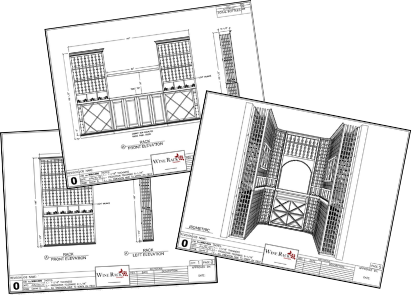
Have an expert help today!
Free 2D wine cellar design