Wooden Wine Racks: The Essential Guide to Materials, Styles, and Selection in 2026

Your wine cellar is far more than a simple storage space; it is a specialized ecosystem where every material choice, particularly your choice of wooden wine racks, directly impacts the longevity of your vintage collection. It's natural to feel protective of your investment, especially when concerns about wood rot in humid cellars or the risk of label damage from unstable shelving come into play. You want a storage solution that offers both the quiet confidence of structural stability and the timeless elegance of a luxury estate.
This guide reveals why timber remains the gold standard for serious collectors in 2026 and shows you how to select the right species to create a sanctuary for your bottles. We'll explore the technical advantages of materials like Premium Redwood, the differences between modular and custom pricing, and how to integrate modern trends such as mixed-material displays. By the end of this article, you'll have a clear path from your initial vision to a professional, high-capacity cellar that grows alongside your curation.
Key Takeaways
- Learn how wood’s natural ability to dampen vibrations protects delicate sediment, ensuring your finest vintages age exactly as the winemaker intended.
- Identify which wood species offer the best moisture resistance by understanding the critical performance differences between Heartwood and Sapwood.
- Compare storage styles to see how wooden wine racks allow for high-density, double-deep configurations that metal systems often can't match.
- Master cellar layout planning with proven techniques for calculating bottle capacity and integrating display rows for a professional, balanced finish.
- Explore the distinct advantages of specialized racking series, ranging from the versatile Vintner line to the furniture-quality craftsmanship of the Carpenter series.
The Enduring Legacy of Wooden Wine Racks in Modern Storage
Wooden wine racks have served as the cornerstone of cellar design for centuries, yet they're far from antiquated. While a basic wine rack might simply hold a bottle, professional-grade wooden systems are engineered to manage the delicate physics of aging. These structures act as a silent guardian for your collection, providing a stable environment that metal alternatives struggle to replicate. They represent a technologically evolved standard where traditional craftsmanship meets modern climate science.
One of the most significant technical advantages of wood is its natural ability to dampen micro-vibrations. Even subtle tremors from nearby appliances or footsteps can disturb the sediment in a maturing vintage, potentially altering its chemical evolution. High-density hardwoods and specific softwoods absorb these movements. Beyond physics, wooden wine racks offer an aesthetic harmony that fits seamlessly into traditional or transitional homes. They bridge the gap between a functional storage facility and a curated piece of interior decor, distinguishing themselves from flimsy decorative racks found in big-box stores.
Why Serious Collectors Prioritize Wood
If you're building a high-capacity cellar, material stability is paramount. A standard 750ml bottle weighs approximately three pounds; a collection of 500 bottles places 1,500 pounds of constant pressure on your racking. Professional systems like the Vintner Series are designed to distribute this weight without bowing or warping over decades. This structural integrity ensures that your investment remains secure even as your collection grows.
Wood also possesses superior thermal mass. In a climate-controlled environment, wood helps maintain a consistent micro-climate around each bottle. It doesn't conduct heat or cold as rapidly as metal, which prevents the "thermal shock" that can occur during minor temperature fluctuations. This stability is why a custom wine cellar often feels like a solid, immovable sanctuary that actually increases your home's prestige and market value.
Common Myths About Wood and Humidity
A frequent concern for new collectors is the fear of wood rot in high-humidity environments. Most cellars operate between 55% and 70% humidity to keep corks from drying out. While cheap softwoods might swell or develop mold under these conditions, species like Premium Redwood are naturally resistant to decay and mildew. Choosing the right species is the difference between a system that lasts five years and one that lasts fifty.
It's also vital to consider the finish of the material. We often recommend leaving cellar wood unfinished or using specific low-VOC stains. Unfinished wood allows for better airflow and ensures that no off-gassing chemicals penetrate the corks. Using wooden wine racks in their natural state promotes a chemical-free aging process that respects the integrity of the wine.
Selecting the Right Wood Species for Longevity and Performance
Choosing the right material is the first step in building a cellar that lasts. Understanding wood science allows you to predict how your racks will behave in a 55-degree, 65% humidity environment. When evaluating wooden wine racks, the distinction between 'Heartwood' and 'Sapwood' is critical for long-term performance. Heartwood is the inactive, central pillar of the tree. It contains natural extractives that make it highly resistant to moisture and decay. Sapwood is the living outer layer; it is more porous and susceptible to the high-humidity levels required for proper wine aging.
As these woods age, they develop a rich patina that adds character to your space. This aesthetic evolution is part of the joy of ownership, as the wood deepens in tone over decades of use. Sourcing sustainably harvested American woods ensures that your luxury storage doesn't come at an environmental cost. It also guarantees a higher level of quality control compared to mass-produced imports.
Redwood: The Gold Standard for Cooled Cellars
Redwood is widely considered the premier choice for cooled cellars because of its inherent ability to thrive in damp conditions without artificial sealants. Premium Redwood offers a beautiful range of colors from tan to deep reddish-brown. If you require the absolute highest level of moisture resistance, All-Heart Redwood is the superior choice because it consists entirely of the decay-resistant center of the log. Redwood's high tannin content acts as a natural biocide, preventing mold growth even in the dampest cellar conditions.
Mahogany and Oak: Durability Meets Luxury
Hardwoods like Mahogany and Oak provide a level of structural strength that is essential for floor-to-ceiling installations. Mahogany is particularly prized for its color consistency and how beautifully it accepts custom stains. This makes it a favorite for the Carpenter Series, where a furniture-quality finish is the primary goal. While softwoods are lighter and easier to mill, the density of a hardwood ensures that your racking system won't sag under the weight of a massive collection. If you aren't sure which species fits your climate and design goals, our team can help you design a custom wine cellar that balances performance with aesthetic harmony.
The difference in density between these materials also affects how they interact with your cooling system. Hardwoods act as a better heat sink, helping to stabilize the temperature of the air immediately surrounding your bottles. Whether you choose the rustic charm of Oak or the refined elegance of Mahogany, selecting a high-density wood protects the structural integrity of your entire storage system.
Wooden vs. Metal Wine Racks: A Performance Comparison
Choosing between wood and metal often starts as a visual preference, but the decision carries significant implications for collection density and bottle safety. While metal offers a sleek, minimalist profile, wooden wine racks excel in high-capacity environments where maximizing every square inch of wall space is the priority. Wood's structural depth allows for "double-deep" racking, effectively doubling your storage capacity without increasing the footprint of your cellar. Metal systems typically rely on single-bottle depth or specific peg lengths that don't always offer the same volumetric efficiency.
Bottle protection is another area where material choice matters. Wood is a naturally softer material that creates a gentle cradle for glass. Metal grids, particularly those with thin wire frames, carry a higher risk of "label scar" or scratching the foil capsules during frequent inventory rotation. If you handle your bottles often or manage a rotating collection, the forgiving nature of wood provides an extra layer of security for your investment's aesthetic and resale value.
Installation flexibility varies greatly between the two materials. Professional modular wood systems, such as our Vintner Series, allow for a high degree of personalization using pre-engineered components. You can mix individual bottle racking with bulk bins or display rows to fit the specific dimensions of your room. Metal racks are often sold in fixed dimensions or rigid grids that require precise wall measurements and offer less room for on-site adjustments during the installation process.
When to Choose Wood for Your Collection
If you're managing a collection of 500 bottles or more, wood is almost always the superior choice for organization and accessibility. It's the ideal material for traditional cellar environments equipped with dedicated cooling units, as it helps maintain the thermal mass discussed in previous sections. Wooden systems allow you to showcase variety through diverse racking styles, such as diamond bins for case storage or high-reveal display rows for your prized vintages. This versatility makes it easier to organize a collection by region, varietal, or vintage.
The Rise of Hybrid Systems
You don't always have to choose one material over the other. Modern transitional designs often utilize hybrid systems like Fusion Wine Walls. These systems combine the warmth and textural depth of wood backsplashes with the modern precision of metal pegs. This approach allows you to achieve a minimalist aesthetic without sacrificing the vibration-dampening benefits of a wooden mounting surface. By balancing these elements, you create a space that feels both innovative and rooted in classic storage principles.
Planning Your Layout: From Modular Kits to Custom Masterpieces
Transforming a vision into a professional cellar requires a methodical approach to spatial planning. It's not just about how many bottles you own now, but how you intend to interact with your collection as it grows. Before purchasing any components, you must measure your wall dimensions with precision. Calculating bottle capacity involves more than just total square footage. You must account for the specific width of each racking column and the height of the ceiling. For example, a single column of individual wooden wine racks typically requires about 3.75 to 4 inches of horizontal space to safely cradle a standard bottle.
A well-designed layout incorporates variety to handle different storage needs. While individual bottle racking is excellent for daily access, bulk bins or diamond cubes are essential for managing full cases or odd-shaped bottles. You should also consider the physical dimensions of your collection. Standard racking often struggles with the wider bases of Champagne bottles or the height of Magnums. Dedicated sections with larger openings ensure your collection remains stable and protected. Airflow is another critical factor. If you are using a cooling unit, maintaining a slight gap between the racks and the wall prevents stagnant air and promotes efficient temperature regulation throughout the room.
Modular Racking: Scalability for Growing Collections
Modular systems, such as our Vintner or Classic Series, offer a professional-grade solution that adapts to your needs. You can start with a few select pieces and add new sections as your collection expands. This approach allows you to maintain a consistent aesthetic over several years without the need for a complete redesign. To achieve a high-end "built-in" look without the full cost of a custom build, you can use modular units combined with standardized base and crown moldings. This creates a seamless transition between the floor and ceiling, giving the appearance of a permanent architectural feature that was designed specifically for the room.
Custom Cellar Components: Elevating the Space
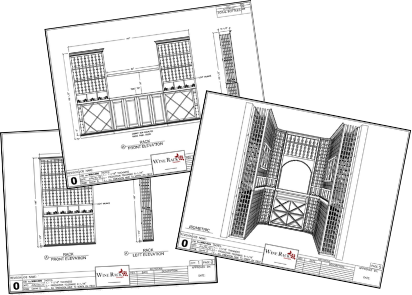
For those seeking a truly unique environment, custom components act as the centerpiece of the design. You might integrate a tasting table for hosting guests or a dramatic archway to break up long runs of racking. LED lighting can be recessed into the wood to highlight specific labels without adding excess heat to the room. Professional molding and trim work provide the finishing touches that distinguish a luxury cellar from a basic storage room. Custom depth allows for the seamless integration of self-contained refrigeration units, ensuring the equipment remains flush with the racking face. If you are ready to start mapping out your space, you can request a custom wine cellar design to see your vision in 3D before the first piece of wood is cut.
Premium Wooden Racking Series from Wine Rack Concepts, LLC
Wine Rack Concepts, LLC approaches storage through the lens of a master craftsman, ensuring every component meets the rigorous standards of a climate-controlled environment. Precision is our baseline. Our quality wooden wine racks are designed to bridge the gap between a collector's initial vision and a finished, professional-grade result. We offer specialized series that range from high-capacity commercial systems to hand-crafted residential showpieces. Every piece is manufactured with attention to detail, reflecting a commitment to structural integrity and visual harmony that mass-produced alternatives often lack.
Our consultative design process acts as a helpful guide throughout your project, simplifying complex decisions about material selection and layout. We believe that a wine cellar should be a source of pride. It reflects the care you put into your curation. Whether you're designing a small reach-in closet or a sprawling estate cellar, our racking series provide the structural foundation needed to protect your investment for decades.
The Vintner Series: Versatility and Scale
The Vintner Series is our most adaptable collection, engineered to accommodate almost any room configuration through its modular heights and widths. This series is particularly effective for collectors who prioritize organization and inventory management. One of its standout features is the high-reveal display row. These rows allow you to showcase bottle labels at a 15-degree angle. This keeps the labels visible for easy identification while ensuring the corks remain moist and expanded.
Because the Vintner Series is designed for scalability, it's an ideal choice for collections that are expected to grow over time. The components are pre-engineered for ease of assembly. This makes them accessible for DIY enthusiasts while remaining robust enough for professional installers. This modularity doesn't just save time; it allows for a level of personalization that makes a kit-based system feel like a custom installation.
The Classic and Carpenter Series: Luxury Redefined
For those who require maximum bottle counts without sacrificing traditional aesthetics, the Classic Series provides a timeless, high-density solution. It's the preferred choice for serious cellars where every inch of wall space must be utilized efficiently. These racks are built to handle the immense weight of full collections. They use the structural principles of wooden wine racks to ensure long-term stability without bowing or warping.
If your goal is the pinnacle of aesthetic harmony, the Carpenter Series represents our most refined offering. These racks possess a furniture-quality finish that makes them as much a part of your home's decor as they are a functional tool. The Carpenter Series is hand-crafted with an attention to detail that respects the traditions of the hobby while appealing to modern design sensibilities. It's the bridge between simple storage and a professional architectural feature.
Explore our specialized racking series to find your perfect fit.
Building Your Legacy Cellar with Professional Wood Storage
Selecting the ideal storage system is an investment in the future of your collection. You've seen how the right species, such as decay-resistant Redwood or durable Mahogany, serves as the foundation for a stable environment. High-quality wooden wine racks don't just hold bottles; they provide the vibration dampening and thermal mass necessary for graceful aging. Whether you prioritize the furniture-grade finish of the Carpenter Series or the high-density efficiency of the Classic Series, your choice reflects a commitment to the craft of wine preservation.
Our quality components and expert design consultation are here to bridge the gap between your initial inspiration and a professional result. We invite you to take the next step in creating a sanctuary for your vintages. Start designing your custom wooden wine cellar today and experience the pride of a perfectly curated space. Your collection deserves a home that is as timeless and sophisticated as the wine itself.
Frequently Asked Questions
Which wood is best for a refrigerated wine cellar?
Premium Redwood and All-Heart Redwood are the premier choices for refrigerated environments due to their natural resistance to moisture and decay. These species thrive in the 55% to 70% humidity levels required for proper cork preservation. Mahogany is also a strong contender for climate-controlled spaces because it maintains structural integrity without warping when exposed to consistent cooling.
How do I prevent mold on my wooden wine racks?
Preventing mold starts with selecting a wood species with high tannin content, such as Redwood, and ensuring your cellar has adequate airflow. You should maintain a small gap between the racks and the walls to prevent stagnant air pockets. If you notice moisture buildup, check your cooling unit's calibration to ensure humidity isn't exceeding 75% for extended periods.
Can wooden wine racks hold Magnum or Champagne bottles?
Yes, but you must ensure the cubicle dimensions are specifically sized for larger formats. Standard wooden wine racks are typically designed for 750ml bottles, but specialized series offer larger openings for 1.5L Magnums and wider Champagne bases. Incorporating bulk bins or diamond cubes into your layout is another effective way to store various bottle shapes securely.
Is it better to leave wine racks unfinished or apply a stain?
Leaving your racks unfinished is the safest option for long-term aging because it eliminates the risk of chemical off-gassing. Unfinished wood is also more breathable, which is beneficial in a high-humidity cellar. If you prefer a specific color, always use a water-based, low-VOC stain that's specifically rated for use in enclosed wine storage environments.
How much weight can a standard wooden wine rack support?
A professionally manufactured wooden rack can support significant weight, often exceeding several hundred pounds per section. Since a standard bottle weighs roughly three pounds, a 100-bottle rack must manage a constant 300-pound load. Hardwoods like Mahogany offer higher density and weight-bearing capacity, making them ideal for high-capacity, floor-to-ceiling installations that house thousands of bottles.
Do wooden wine racks require professional installation?
Professional installation is recommended for custom masterpieces, but many modular kits are designed for straightforward DIY assembly. If you're installing a floor-to-ceiling system or a complex layout with arches and moldings, a professional ensures the structure is perfectly level and securely anchored. For smaller, stackable units, most collectors find the assembly process quite manageable with basic tools.
What is the difference between modular and custom wooden racking?
Modular racking consists of pre-engineered units in standard sizes, while custom racking is built specifically to fit your room's unique dimensions. Modular systems like our Vintner Series offer a professional look with the flexibility of scalability. Custom projects allow for unique architectural features, such as integrated tasting tables or seamless fits around existing obstructions like support beams.
How do I clean and maintain my wooden wine racks over time?
Maintenance for wooden wine racks is minimal and primarily involves regular dusting with a dry or slightly damp cloth. Avoid using furniture polishes or harsh chemical cleaners, as these can emit odors that might penetrate the corks. Periodically check the structural fasteners and ensure your climate control system is maintaining stable temperature and humidity levels to prevent the wood from over-expanding.
Have an expert help today!
Free 2D wine cellar design