Wine Serving Temperature and How It Differs from Storage

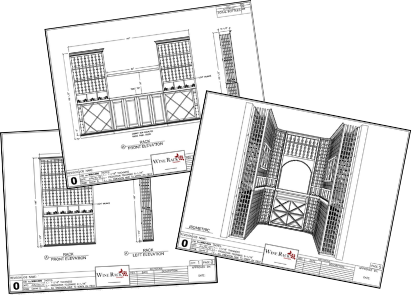
*Pictures are renderings. Actual wine racks may look different
Wine storage temperature and serving temperature aren't the same: storage is generally kept around 55°F, while serving temperature depends on the wine. The difference in wine storage temperature vs. serving temperature matters because chilling or warming a bottle before pouring can bring its flavors and aromas into better balance. White wines are typically served cooler than reds, while sparkling wines are served chilled.
It's easy to assume wine should be poured straight from storage, but the ideal conditions for preserving a bottle differ from the temperature that brings out its character in the glass. This guide explains the difference between wine storage temperature vs serving temperature, how serving preferences vary by style, when to chill a bottle, and why repeated temperature changes matter. You'll also learn how steady cellar storage differs from short-term adjustments before serving.
Key Takeaways
- Choose a serving temperature by wine style: white wines often fall within 45-55°F, while sparkling wines are commonly served at 43-47°F.
- Use short-term chilling to bring a bottle toward its serving range, rather than treating a household refrigerator as long-term storage.
- Notice how sustained warmth and repeated temperature changes can affect a wine's aromas and flavors.
- Separate the steady conditions suited to storage from the adjustments that help a wine show well when poured.
- Explore how dedicated wine cellar cooling can support a more consistent storage environment for a collection.
Table of Contents
Why Serve Wine at Specific Temperatures?
Serving temperature affects how clearly a wine's aromas, acidity, and alcohol come through. Rosé is commonly served at 48-52°F, while sparkling wine is served at 43-47°F.
Red and white wines can share the same cool, stable storage environment, then be adjusted before pouring. Serving temperature affects how each wine tastes, so it's better to tailor the pour to the style than to store every bottle at its serving temperature.
White Wine Serving Temperatures
White wine is generally served between 45-55°F, with fuller-bodied examples poured toward the warmer end. The range gives you a practical starting point, whether you're serving a crisp white or a richer Chardonnay.
Temperature changes what you notice in a wine. A lighter white served cool can retain its crispness, but if it's too cold, its aromas and flavors may seem muted. Let it warm gradually in the glass, and its character may become more apparent.
Serving Temperatures by White Wine Variety
Different white wine varieties suit different points within the serving range. Sauvignon Blanc and Pinot Grigio are ideally served at 45-50°F, while full-bodied Chardonnay is served at 50-55°F.
Riesling's ideal temperature depends on whether it's sweet or dry, so the style matters as much as the grape name. If a wine tastes overly sharp or its aromas seem restrained, allow it to warm slightly. For a fuller white, starting near 50°F can help its flavor emerge without serving it warm.
Rosé and Sparkling Wine Serving Temperatures
Rosé is recommended at 48-52°F, while sparkling wines are commonly served at 43-47°F. These ranges give each bottle a clear target: rosé is chilled, and sparkling wine is served colder.
For rosé, the cooler end can suit a lighter style, while a fuller example can be served nearer 52°F. Sparkling wine can be kept on ice between glasses to maintain its chill. Avoid leaving a sparkling bottle in the freezer overnight or for several days, since it could pop and the wine could be lost.
For storage, red and white wine share a useful broad range of 45-65°F, while 55°F is cited as an ideal storage temperature. A wine cellar kept steadily around that target is different from a serving setting: the cellar supports storage, and the bottle is adjusted to suit its style. Even though serving ranges vary, the storage target does not need to shift with each wine variety.
Chilling wine before serving
Chilling brings a bottle from its storage temperature closer to a suitable serving temperature. How long it takes depends on the wine's starting temperature, style, and cooling method. A bottle from a cool cellar needs less preparation than one kept in a warm room. Use a wine thermometer to check the wine itself rather than relying only on the refrigerator setting.
Chilling and warming wine before serving
A household refrigerator can bring white wine toward its serving range, but it needs time. Allow about two to three hours for a white bottle in the refrigerator, or place it in an ice bucket for about 15 minutes. These are practical estimates, not a substitute for checking the wine's temperature.
Red wine can also need adjustment. If a bottle is too warm, refrigerate it for about 30 minutes before serving. Light and medium-bodied reds may need only 10 to 15 minutes in the refrigerator. A chilled bottle warms as it sits in the glass, so avoid leaving it out for a long stretch before pouring.
Keep the goal in mind: a serving adjustment, not long-term storage. Typical household refrigerators keep food around 35-37°F, below the recommended range for storing wine over time. A brief chill can be useful, while a cellar provides a steadier environment for bottles held for longer.
Quick-chilling wine
For a faster chill, place the bottle in a metal wine bucket filled with ice, water, and salt. Water surrounds the bottle more evenly than ice alone, and salt helps the ice mixture cool it. Keep the bottle immersed and check its temperature before pouring.
For white wine, an ice bucket can reach serving temperature in about 15 minutes. A refrigerator takes longer, with white wine often needing two to three hours. Choose the method according to the time available and the bottle's starting temperature. A wine thermometer helps you avoid overshooting the target and muting the wine's flavor through excessive chilling.
A red stored in a warm room may benefit from a short time in the refrigerator, while one from a cool cellar may need little adjustment. Fuller-bodied reds such as Cabernet shouldn't automatically be chilled for as long as lighter reds. Check the wine as it approaches its serving range, then let it warm gradually if its aromas seem subdued.
If you're planning a dedicated place to store bottles before serving, wine cellar design planning can help shape the space around your collection and its storage needs.
Effects of temperature fluctuations on wine
Steady storage matters: prolonged warmth or severe cold can affect a bottle. The impact depends on how extreme the temperature is and how long the wine is exposed to it.
Excessive Heat on Stored Wine
Excessive heat means storing wine at temperatures that can dull its aromas and flavors. At 70°F or above, wine may lose aromatic and flavor definition; long-term exposure to 77°F or higher can change its taste.
Serving the wine at the right temperature later won't reverse changes caused by prolonged warmth during storage. Chilling can prepare a bottle for drinking, but it can't undo heat-related changes.
Effects of Cold Storage
Cold storage becomes a concern when wine stays below a suitable storage range, rather than receiving a short chill before serving. The average refrigerator temperature is below 40°F, which is too cold for storing wine over time.
At about 25°F, wine may become slushy or freeze. That can push out the cork or crack the bottle, so avoid leaving wine in a freezer for extended periods.
Effects of Warm Storage
Warm storage can alter wine gradually, even before extreme heat is reached. Wine stored well above 55°F might develop raisiny or stewed flavors, which can obscure the qualities you expect from the bottle.
A warm room and a consistently cool wine cellar provide very different storage conditions. Pay attention to sustained warmth, not just a brief temperature rise before serving.
A bottle may move between cool storage, a warm room, and a refrigerator, but those changes don't all have the same effect. A brief chill prepares wine for serving; sustained heat or cold affects storage. Consider both the temperature reached and the length of exposure.
Imagine a bottle kept in a warm kitchen and chilled in the refrigerator before dinner. That short chill adjusts its serving temperature, but it won't undo changes caused by prolonged warmth. Similarly, taking a chilled bottle out to serve is different from storing it in the refrigerator over time.
For a collection, consistency is more useful than repeatedly reacting to room conditions. Keep bottles away from sustained heat, and avoid using a food refrigerator as their regular storage space. If wine has been exposed to about 25°F, check the bottle for a pushed cork or cracks before handling it.
Temperature also shapes how a wine develops before it reaches the table. Storage well above 55°F can contribute to stewed or raisiny notes, while temperatures at 70°F or above can flatten aromas and flavors. After long exposure to 77°F or higher, its taste may change.
Recommended serving temperatures for sparkling wine
Sparkling wine is generally served between 43-47°F, though recommendations also include 40-46°F. These ranges overlap, offering a practical target rather than a single temperature for every bottle. The style, sweetness, and the aromas you want to emphasize can guide where within the range you pour.
Temperature shapes what you notice in the glass. A colder pour may taste crisper, while a slight rise can make the aromas more apparent. If the wine seems muted straight from chilling, give it time to warm in the glass and observe how its character develops.
Sweet sparkling wine has a cooler suggested range of 39-43°F. For a bottle in this style, starting near the colder end helps keep the serving temperature aligned with the recommendation. The same range shouldn't automatically be applied to every sparkling wine; sweetness and style affect the target.
Consider the contrast with Sauvignon Blanc, which is a still white wine commonly served at 45-50°F. Sparkling wine has its own range, and red wine's tannins make it a different comparison again. Matching the bottle to its style is more useful than applying one temperature rule across still whites, reds, and sparkling wines.
Room temperature can be a misleading guide for sparkling wine. Modern rooms are often around 72-73°F, well above the recommended serving range. A bottle kept at room temperature therefore needs chilling before serving, rather than being poured directly from the room. Use a wine thermometer to check the bottle if you want a more precise reading.
Keep storage and serving conditions separate. A bottle can remain in a wine cellar until it's time to bring it to a suitable serving temperature, such as for sparkling wine. The cellar provides steady storage; the serving temperature is for the occasion. This distinction helps keep a temporary serving target from becoming the long-term storage setting.
At the table, a bottle may warm between pours. Keep it chilled between glasses, and notice how its aromas and crispness change as it warms. If the first pour seems subdued, let it warm a little. If it loses crispness, chill it again. Aim for the temperature that best suits the specific sparkling wine and its character in the glass.
Differences between wine storage and serving temperatures
Storage temperature protects wine over time; serving temperature prepares it for the glass. A 55°F environment is cited as ideal for storage, while serving targets vary by style. That difference is the core of wine storage temperature vs serving temperature: one stable setting supports a collection, and another temperature suits a particular bottle at the table.
A wine cellar is commonly kept around 55-57°F, with a broader storage range of 45-65°F. These figures describe storage conditions, not a universal pouring temperature. For example, a white wine may be served at 45-55°F, while red styles can call for a warmer range. The bottle's serving target depends on its type.
Serving temperature changes how a wine's aromas, acidity, and alcohol come across. Cabernet Sauvignon, for instance, is often served warmer than a crisp white, but that doesn't mean it should be stored in a warmer environment. Store both wines steadily, then adjust each before serving. Match the pour to the wine rather than keeping every bottle at its serving temperature.
A fridge is useful for chilling wine before a meal, but typical household refrigerators run around 35-37°F. That is colder than the recommended storage range, so a fridge is better treated as a short-term tool than a cellar substitute. A wine cooler designed for storage offers a different role: maintaining a suitable environment rather than quickly chilling a single bottle.
Temperature is not the only storage condition to consider. Relative humidity in wine storage areas is described as optimal between 50-80%, and the recommended average for a wine cellar is 60%. Temperature and humidity affect the storage environment in different ways, so the serving temperature alone cannot indicate whether a collection is being stored appropriately.
A simple rule: store bottles in a cool, steady environment, then bring each wine toward its recommended serving temperature. If it's too cold, let it warm gradually; if it's too warm, chill it before pouring. A thermometer can help you assess the wine, while a stable cellar or cooler supports the collection's longer-term storage needs.
For a space planned around consistent wine storage, begin planning your wine cellar with Wine Rack Concepts, LLC today.
Wine Rack Concepts: Wine Cellar Cooling
Wine Rack Concepts offers Wine Cellar Cooling for collections that need a dedicated storage environment. If temperatures fluctuate in the room where your bottles are kept, a cellar cooling system can address the storage side of the equation, separate from chilling individual bottles before serving.
For a complete storage space, consider Wine Cellar Cooling alongside a Custom Wine Cellar and wine racks. Plan storage and display around the room and your collection. Wine Rack Concepts also offers the Wall Wine Rack Series and Classic Series as rack options.
Explore wine cellar cooling options as you plan a dedicated storage environment. Contact Wine Rack Concepts to discuss your wine cellar project.
Shape a cellar around the way you enjoy wine
Let your collection guide the next step. If you're planning a dedicated space, consider how you want bottles stored, displayed, and selected for a meal. Understanding wine storage temperature vs serving temperature can help: storage belongs to the cellar environment, while serving temperature is adjusted for each bottle.
Wine Rack Concepts offers Wine Racks, Wine Cellar Cooling, and Custom Wine Cellar solutions. Bringing storage and presentation together can create a considered space that works with your collection, whether you're updating an existing room or planning a new cellar.
Take the next step at your own pace, and shape a wine space that reflects the collection you're proud to keep.
Frequently Asked Questions
Should I store my wines at different temperatures?
Usually, no. Red and white wines can share a steady storage environment even though their serving temperatures differ. Store a Cabernet Sauvignon and a Sauvignon Blanc together, then chill or warm each before pouring. Separating bottles by serving preference may make your collection easier to organize, but each variety doesn't need its own long-term storage temperature.
What is the ideal long-term wine storage temperature?
Aim for 55°F for long-term storage. A steady temperature matters alongside the target, so avoid locations that heat up during the day and cool down at night. A wine cellar or dedicated cooler can provide a more suitable environment than a kitchen shelf near an oven or a sunny window. Store bottles away from heat sources and direct sunlight.
What temperature range is safe for storing wine short term?
For wine you plan to drink within a few days or weeks, use the general storage range of 45-65°F and choose a cool, stable spot. If your home lacks a suitable basement cellar, a refrigerator may be used for short-term holding. Typical household refrigerators run below 40°F, so they're too cold for long-term storage.
What is the ideal serving temperature for red wine by style?
Light and medium-bodied reds are generally served at 55-59°F, while bold reds suit 60-68°F. Pinot Noir has a suggested range of 55-60°F; Merlot, Syrah, Zinfandel, Malbec, and Cabernet Sauvignon are often served at 60-65°F. Use the wine's body as a guide, then let it warm slightly if its aromas seem restrained after chilling.
What is the ideal serving temperature for white wine by style?
Light whites such as Sauvignon Blanc and Pinot Grigio are ideally served at 45-50°F. Fuller-bodied Chardonnay is better served slightly warmer, at 50-55°F. Riesling's ideal temperature depends on whether it's sweet or dry. If you're serving several whites, arrange them from lighter to fuller-bodied and adjust each bottle's chill to suit its style.
How does storage temperature differ from serving temperature?
Wine storage temperature vs. serving temperature comes down to maintaining a collection versus preparing a bottle to drink. Storage conditions should remain consistent across varieties, while serving temperature varies by style. A stored Chardonnay, for example, may need chilling before serving; a red may need to warm. Treat these adjustments as temporary, not as a new storage setting.
How quickly should wine be chilled or warmed before serving?
Timing depends on the bottle's starting temperature and the method. A white may take two to three hours in the refrigerator, or about 15 minutes in an ice bucket. For a warm red, try about 30 minutes in the refrigerator; lighter reds may need only 10 to 15 minutes. Check the wine as it approaches its target, since bottles don't all start equally warm.
What happens if wine is stored or served too warm or too cold?
Stored at 70°F or above, wine can lose aromatic and flavor definition; prolonged exposure to 77°F or higher can change its taste. At about 25°F, it may become slushy or freeze, potentially pushing out the cork or cracking the bottle. Serving temperature also affects what you notice: overly chilled wine may seem muted, while warm wine can feel less fresh.
Have an expert help today!
Free 2D wine cellar design