Wine Pegs vs Other Peg Systems for Existing Cellars

*Pictures are renderings. Actual wine racks may look different
An existing cellar does not rule out wine pegs. They can be installed in existing or new wood panels or drywall, so the key considerations are the wall surface, layout, and space each bottle needs.
Choosing wine pegs over other peg systems is about more than appearance. Bottle orientation and spacing shape both the display and its capacity. Pegs hold bottles cork-forward, while adjustable spacing can balance storage with the look of the finished wall.
This guide compares wine pegs with other wall-mounted and freestanding systems, explains what to consider when adding them to an existing cellar, and shows how to plan a layout that can grow with your collection. It also covers wall support, bottle size, and when another racking style may better suit your space.
Key Takeaways
- Estimate a peg wall's capacity by considering bottle orientation and spacing, not just the available wall area.
- Choose between cork-forward storage for a compact display and label-forward storage when seeing bottle labels matters most.
- Match the installation to the wall surface: wine pegs can be installed into existing or new wood panels or drywall.
- Plan spacing around the bottles you want to store, including larger formats that need a suitable configuration.
- As your collection grows, reassess the wall layout so added pegs preserve both access and the display you want.
Table of Contents
How many bottles does a PEG wall hold?
A PEG wall has no fixed bottle capacity: the layout and bottle orientation determine how many bottles fit. In a label-forward display, each bottle faces outward with its label parallel to the wall. This makes identification part of the presentation. For example, you can group bottles by producer or region and read the labels without turning each bottle.
Label-forward storage uses a slight offset to hold bottles level against the wall. That offset affects how closely bottles can sit together and therefore influences total capacity. A compact arrangement may fit more bottles, while wider spacing gives each label more room and prominence. Consider how spacing balances visibility, access, and the number of bottles in the display, rather than focusing only on available wall area.
A Label Link label-forward display makes bottle labels the visual focus. It suits a cellar where guests or collectors want to identify bottles at a glance. Arranged consistently, the labels can form a deliberate visual composition. Bottle shape and label placement affect what remains visible, so plan around the actual collection rather than treating every bottle as identical.
Cork-forward displays take a different approach: each bottle's cork end faces away from the wall toward the viewer. This orientation uses less space than label-forward storage and can fit more bottles in the same area. The trade-off is less immediate label visibility, so you may need to identify a bottle by its position or turn it for a closer look. This can suit a cellar where capacity takes priority.
The PEG wall's suspended presentation can make bottles appear to float against the wall. Because the supports recede visually behind each bottle, the display feels open rather than like a solid rack. Consistent spacing and alignment strengthen the effect. A carefully arranged row can highlight bottle silhouettes; label-forward placement makes labels readable, while cork-forward placement emphasizes the bottle ends.
To estimate capacity, first decide whether label visibility or compact storage matters more. Then plan the wall area, bottle orientation, and spacing together. XY wine peg spacing can be adjusted to increase capacity or feature more of the finished wall panel. The final count depends on the layout, not a universal figure. Larger bottles also need a configuration that accommodates their size, which can change spacing and capacity.
Is the PEG System a wine peg wall or a wine rack?
It is both: a wall-mounted wine rack made from individual pegs instead of continuous shelves. Its appeal is the ability to tailor bottle orientation, spacing, and arrangement to the cellar.
System Flexibility and Customization
Wine pegs allow a flexible display because spacing can be adjusted to prioritize capacity or show more of the finished wall panel. The XY system uses two pegs per bottle, so the positions of both supports shape the arrangement. Closer spacing can prioritize bottle count; wider spacing gives each bottle more visual presence.
When planning a custom cellar, consider wall area, the bottle formats in your collection, and whether you want labels facing outward. Wall-mounted racking uses almost no floor space, while freestanding racking needs its own footprint and can be viewed from every side. Compare PEG and other systems based on practical points such as bottle fit, spacing, visibility, and access. These are factors to weigh, not universal shortcomings.
Bottle Size and Shape Compatibility
Wine pegs can be configured for magnum or champagne-sized bottles, but the arrangement must allow for their larger formats. Bottle shape matters because the supports need to hold each bottle in its intended position. A layout designed for one format may not suit a collection with varied shapes, so plan around the bottles that will actually occupy the wall.
Consider placement as well as fit. If the display combines standard bottles with larger formats, separate zones can provide suitable spacing and a consistent appearance for each group. This also preserves clear access instead of squeezing every bottle into one repeated pattern. Material and panel finish can be part of the visual plan, since spacing can draw attention to the wall behind the bottles.
How the Peg System Works
A wine peg system supports each bottle on individual pegs mounted to a wall, creating a rack without continuous shelves. In the XY configuration, two pegs support each bottle; their placement determines its angle, orientation, and spacing.
That structure makes it a wine rack in function and a wine peg wall in form. Compared with freestanding racking, it keeps bottles close to the wall and preserves floor area, but it does not offer viewing from every side. For a cellar plan that coordinates storage with its overall design, custom wine cellar design planning can help shape the layout around the collection and room.
Installation hardware and surface support
There is no single weight limit for every wine peg installation. Safe load depends on the pegs, fasteners, and supporting wall assembly, which must be considered together.
Wine pegs are installed in existing or new wood panels or drywall, making the wall surface part of the racking system, not just a backdrop. Before positioning the pegs, identify the surface and how the planned layout aligns with it. A finished panel, for example, may offer a different attachment point from exposed drywall, so the hardware and installation details must suit the actual construction.
Wall-mounted systems also differ from cable wine racking. Cable racking can attach to a wall or be anchored from floor to ceiling, while pegs attach to the wall. Each arrangement places support differently. With a peg wall, each bottle's position depends on its pair of supports, so consistent placement helps create an even display and stable seating.
Consider a residential cellar with a finished wall and narrow passage. A wall-mounted peg layout can keep bottles close to the wall and preserve floor space. Plan around the wall surface, bottle arrangement, and clear access to stored wine. If the cellar uses wood panels, their placement can inform the layout. In a drywall area, the wall assembly and suitable attachment details need to be considered.
Installation difficulty depends on how accurately the positions are planned and whether the attachment suits the surface. Changing the layout means moving pegs, which can affect bottle spacing and the wall's appearance. For maintenance, keep the display accessible and look for visible movement, looseness, or surface damage around the supports. Address these signs before using the arrangement as usual.
Material choice matters, too. Metal is stronger than other materials used for wine pegs and does not warp or rot like wood. Even so, suitable wall support remains essential: a strong peg cannot compensate for an unsuitable attachment or wall assembly. The full installation, from peg to fastener to surface, carries the bottle load.
For a custom wine cellar, plan the installation alongside the room layout, before the wall finish is complete. This lets the racking pattern and support points work with the existing construction. Assess the surface, set bottle positions, match the attachment to the wall, and install the pegs in alignment.
Adding pegs as a wine collection grows
A wine peg wall can expand with a collection if the original layout leaves room for more positions. Start with the wall plan: identify where new bottles could fit without disrupting access, alignment, or the intended display. For example, a collector can begin with one group of bottles and reserve adjacent wall space for future additions.
Expansion works best when new pegs follow the existing arrangement. Keep bottle orientation and spacing consistent across the wine rack, or plan a separate zone for a new format. A second area could hold newly acquired bottles while the original section stays organized by producer or region. This lets the display evolve without making each addition look like an afterthought.
Spacing is part of the capacity decision. Tighter placement may fit more bottles, while wider gaps can highlight the wall finish or give each bottle more visual separation. XY wine peg spacing can be adjusted for either purpose. If your collection adds larger formats, make room for their size rather than simply repeating the spacing used for standard bottles.
Consider expansion in stages:
- Map the current bottle arrangement and the open wall area beside it.
- Choose whether the next group should continue the existing display or form a separate zone.
- Set the spacing and orientation for that group, including any larger bottle formats.
- Keep the new positions aligned with the established pattern where continuity matters.
A peg system also lets you plan beyond a single fixed arrangement. If ten pegs feel limiting, the recommendation is to extend the set to twenty. This gives the layout more room to develop while preserving a defined structure. Treat this as a planning reference, not a promise of bottle capacity: the number of bottles depends on peg placement and the sizes they need to support.
Consider material and appearance when expanding. A metal wine peg section beside an existing display can create deliberate contrast, while matching the original spacing can unify the wall visually. The finished panel may also shape the arrangement, since peg positions can be adjusted to feature more of its surface.
Plan for the collection you expect to curate, not just the bottles in storage today. A staged layout can reserve clear space for future additions, maintain access to bottles already in place, and preserve the display's visual rhythm. As the collection changes, reassess orientation, spacing, and available wall area together before extending the arrangement.
Capacity and peg spacing
Capacity depends on how many bottle positions fit across the wall, not just its overall width. In the XY wine peg system, two pegs support each bottle, so count complete pairs when planning. If the layout has an odd number of available peg positions, one may remain unused until another can be added.
Spacing balances bottle count with the finished appearance. Place pegs closer together to prioritize storage, or leave more panel visible to feature the wall material. For example, a collector who wants the wood panel to stand out may choose wider gaps, while a compact display may place bottles closer together.
Bottle orientation also affects capacity. Cork-forward placement uses less space than label-forward placement and can fit more bottles in the same area. Label-forward arrangements make labels more visible, but their slight offset affects how much room each bottle needs. Choose the orientation first, then work out spacing across the available wall.
For a practical layout, plan around the collection you intend to store rather than an abstract bottle count:
- Mark the usable wall area and note any corners, openings, or other features.
- Choose cork-forward or label-forward storage based on display priorities.
- Allow for the bottle shapes and larger formats in the collection.
- Set peg spacing to balance capacity, access, and the visible panel.
- Count the paired supports in the XY layout to estimate bottle positions.
Changing one factor can change the final count. A layout designed for standard bottles may need more space for magnum or champagne-sized bottles. The configuration must accommodate their size rather than simply copy the spacing for smaller bottles. If your collection includes mixed formats, placing larger bottles in a separate zone can preserve a consistent pattern elsewhere.
Consider access as well as maximum capacity. A tightly packed wine wall may store more, but bottles still need to be placed and removed without disturbing neighboring positions. A collector displaying bottles by producer, for example, may prefer clear groupings over filling every available position in one continuous row.
Spacing can change as the display evolves. XY wine peg positions can be adjusted to increase capacity or feature more of the finished wall panel. This flexibility makes layout a design decision as well as a storage calculation. The right capacity fits the bottles, allows easy access, and maintains the intended visual balance.
Wine Rack Concepts
Wine Rack Concepts, LLC can help turn your cellar's wall conditions, bottle formats, and display priorities into a considered storage plan. Its custom wine cellar design brings those decisions together, while the Wine Peg Series, Wall Wine Rack Series, and Classic Series offer different ways to organize a collection.
If an existing cellar needs more than a rack adjustment, the design can account for how storage fits the room and whether wine cellar cooling is part of the plan. Explore custom wine cellar design as a next step when you're weighing a peg wall against other racking or planning a larger update.
Contact Wine Rack Concepts, LLC to discuss your cellar and storage priorities.
Shape a cellar that can evolve
A storage plan should reflect how you want to use your cellar, not just how it looks today. Comparing wine pegs with other peg systems can clarify your direction, but the next step is to fit that choice into the room's broader design. Consider how storage, presentation, and the cellar environment should work together as your collection changes.
Wine Rack Concepts, LLC brings these decisions together with wine racks, custom wine cellar design, and wine cellar cooling. This broader approach is useful when a peg wall is part of a larger update or when you are planning a new cellar around your collection and space.
With a thoughtful plan, your cellar can feel personal, organized, and ready to grow alongside your collection.
Frequently Asked Questions
What are the pegs made from?
The Wine Peg Series from Wine Rack Concepts, LLC is part of its metal wine-rack category. Metal wine pegs offer an alternative to wood-based racking, while the wider selection also includes wood and acrylic. The right material depends on the cellar's appearance and function. For example, metal supports paired with wood cabinetry create a different visual balance from an all-wood arrangement.
When is the PEG System the right choice?
A PEG System can suit a cellar where the wall should be part of the display and floor space is limited. It may also work well for a collection that benefits from a distinctive, bottle-by-bottle presentation. Consider another arrangement if you need storage visible from every side or prefer a traditional shelf-based appearance. Choose according to the room's layout, collection, and the display style you want to maintain.
Will the pegs damage the bottle or the label?
Proper placement helps support bottles and prevent unwanted contact with nearby surfaces. Plan around bottle shape, position, and spacing, including where labels sit. For example, a label-forward display needs enough room for labels to remain visible rather than pressed against another bottle or the wall. Handle bottles carefully when placing or removing them to avoid scuffs from contact with neighboring bottles or cellar surfaces.
How do Wine Pegs compare with other wine storage peg systems?
Comparing Wine Pegs vs other peg systems means considering how each system attaches and uses the room. Wine pegs mount to a wall, while other racking systems may use shelves, cables, or freestanding structures. Cable systems can attach to a wall or run between floor and ceiling, allowing different placement options. Freestanding racks provide access from multiple sides but take up floor space. Compare the support structure, available space, and bottle positioning.
What materials and finishes are available for Wine Pegs and competing systems?
The Wine Peg Series is a metal wine-rack option. The broader range of wine storage systems includes wood, metal, and acrylic. Wood racks can be stained or lacquered, and some configurations incorporate glass. Other systems vary in materials and finishes, so compare the specific design and how it will look beside your cellar's cabinetry, wall panels, doors, and lighting.
How much do Wine Pegs cost compared with alternative peg systems?
The price depends on the project and is given after a quote request. Cost factors include the chosen rack system, the number of pegs, the wall surface, and whether the project involves a wider cellar design. Comparing systems is most useful when the same scope is considered for each option. A simple rack addition and a larger cellar update involve different materials and planning needs.
How do Wine Pegs compare on storage density and display options?
Comparing Wine Pegs vs other peg systems also means weighing bottle capacity against presentation. Wine pegs can prioritize either through the selected spacing and orientation. Cork-forward placement can make efficient use of wall area, while label-forward placement gives bottle labels more prominence. For example, divide a wall into zones, with one area arranged for quick label recognition and another for a more compact display.
Are Wine Pegs suitable for commercial wine cellars, restaurants, or home use?
Wine storage systems can serve both residential and commercial spaces. A home cellar might use pegs to create a focused display in a limited area, while a restaurant could incorporate a wine wall into a guest-facing space. Plan around the setting, bottle formats, access needs, and overall room design. For larger projects, custom cellar planning can coordinate storage with the surrounding space.
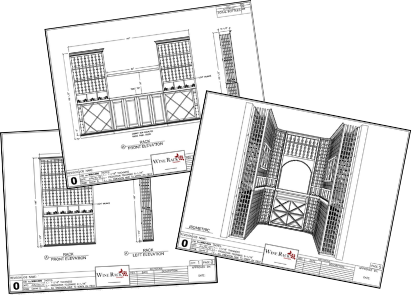
Have an expert help today!
Free 2D wine cellar design