Wine Cellar vs. Wine Fridge: Choosing the Right Storage for Your Collection

*Pictures are renderings. Actual wine racks may look different
That sleek wine fridge in your kitchen might actually be the biggest risk to your premier vintages. While a plug-in unit offers immediate convenience, it often lacks the precision humidity control required for decades of graceful aging. When you weigh the merits of a wine cellar vs wine fridge, you're really deciding between a temporary appliance and a permanent architectural habitat for your legacy. You likely understand the pride of a growing collection, yet you might fear the silent threat of spoilage or the frustration of running out of shelf space. It's a common crossroads for any serious enthusiast who values the integrity of every cork.
This guide will help you discover whether a plug-in appliance or a custom-built environment is the best steward for your wine investment. You'll gain a clear decision framework based on your collection size and an understanding of technical nuances like active versus passive cooling. We'll also detail the long-term value of professional storage to give you confidence in protecting your high-value bottles. By the end, you'll know exactly how to transition from a simple cooler to a sophisticated, curated space that respects the traditions of your hobby while embracing modern design.
Key Takeaways
- Understand the fundamental differences between a wine cellar vs wine fridge, specifically how a custom environment manages humidity and vibration better than a standard appliance.
- Identify the specific bottle count thresholds and collection values that signal when it is time to move beyond a fridge into a professional-grade cellar.
- Learn why specialized cooling systems and self-contained refrigeration units are essential for long-term aging compared to basic kitchen-grade compressors.
- Explore how integrated storage solutions like the Fusion Wine Wall can transform your home architecture while potentially increasing property resale value.
- Gain a clear decision framework to help you choose the right storage based on your long-term curation goals and investment protection needs.
Appliance vs. Environment: Defining the Wine Storage Landscape
Understanding the landscape of wine storage requires a shift in perspective from buying a product to creating a habitat. A wine fridge is essentially a specialized appliance designed for short-term access, while a cellar represents a permanent commitment to the wine's lifecycle. Choosing between a wine cellar vs wine fridge is a decision that impacts the longevity of every bottle you own. It's helpful to view these options through the lens of stewardship. High-value collections aren't just inventory; they're investments that require a dedicated environment to reach their full potential.
The Wine Fridge: Convenience and Portability
A wine fridge offers a plug-and-play solution that fits seamlessly into modern kitchens or dining rooms. These units provide an immediate way to keep your whites crisp and your reds at a steady serving temperature. They're excellent for those who rotate their stock frequently or have a limited number of bottles. However, they have specific limitations. Most fridges aren't designed to manage humidity precisely, and the cycling of a standard compressor can introduce subtle vibrations. These factors don't matter much for a bottle you'll open next month, but they can be detrimental to a vintage meant to rest for a decade. If your goal is maturation rather than just chilling, the appliance model may eventually fall short.
The Custom Wine Cellar: A Controlled Habitat
A professional-grade environment goes far beyond simple cooling. According to Wikipedia's overview of wine cellars, a true cellar must maintain a delicate balance of temperature and moisture to preserve cork integrity. Creating a custom wine cellar involves integrating specialized components like vapor barriers and high-R-value insulation. These elements work together to prevent outside air from infiltrating the space and causing temperature spikes. To maintain this hermetic seal, we often utilize metal wine cellar doors that are specifically engineered for thermal efficiency. This level of control ensures your collection matures in a stable, dark, and humidified sanctuary, protecting your investment from the fluctuations of the outside world.
The Tipping Point: When to Choose a Cellar Over a Fridge
Determining the right time to transition from a simple appliance to a dedicated room often comes down to three factors: volume, value, and vision. While a small cooler is a logical starting point for any enthusiast, it eventually reaches a point of diminishing returns. When you begin to compare a wine cellar vs wine fridge, you're usually facing a space constraint or a shift in the quality of your acquisitions. A fridge works well for bottles intended for consumption within a year, but it lacks the structural integrity needed for true maturation. If your inventory has grown to include investment-grade bottles, the financial risk of improper storage becomes too high to ignore. If you are planning to source new additions from the Southwest, you can learn more about SIP Sedona to handle the logistics for a group tasting excursion in the Phoenix and Sedona areas.
Collectors often underestimate their own enthusiasm. We recommend following the "Rule of Three," which suggests you should design a space for triple your current bottle count. If you currently own 100 bottles, planning for 300 ensures you won't outgrow your storage within a single season. Utilizing modular wine rack systems allows for this kind of scalable growth. From a footprint perspective, housing 300 bottles in multiple standalone fridges is inefficient. It consumes significant floor space and results in higher energy costs compared to one properly insulated, climate-controlled room. A dedicated cellar consolidates your collection into a single, organized environment that simplifies inventory management.
Investment Value and Rare Bottle Protection
High-value regions like Bordeaux or Burgundy demand more than just cold air; they require a stable humidity level between 60% and 70% to keep corks supple. In a standard refrigerated environment, the air is often too dry. This leads to cork shrinkage, oxygen ingress, and the eventual ruin of the wine. A custom cellar acts as a protective shield for your legacy. Beyond the technical benefits, a cellar transforms storage into a destination. It moves the collection out of a dark corner and into a space designed for a "tasting experience" where you can appreciate the labels and history of each bottle. If you're ready to elevate your hobby into a curated lifestyle, you can start with a professional design plan to see how a cellar fits your home.
Technical Comparison: Climate Control and Preservation
The mechanical soul of any storage solution determines how well your wine survives the passage of time. When evaluating a wine cellar vs wine fridge, the most significant technical gap lies in how these systems handle heat and moisture. A standard wine fridge uses a compressor similar to a kitchen refrigerator. These units are designed to reach a set temperature quickly, often resulting in sharp cooling cycles that cause internal fluctuations. In contrast, dedicated wine cellar cooling systems are engineered to maintain a steady, gentle environment that mimics the natural conditions of ancient underground caves.
Active Cooling and Humidity Management
Kitchen appliances prioritize cold air, but they often strip moisture from the environment in the process. This is a critical failure for long-term storage where cork health is paramount. Professional self-contained refrigeration units are built to manage both sensible and latent heat, ensuring that humidity levels remain consistent. A cellar also benefits from thermal mass. Because a cellar houses a larger volume of liquid in a well-insulated room, the wine itself helps maintain the temperature. This creates a buffer against external ambient temperature changes that would cause a small, freestanding fridge to work overtime, potentially leading to mechanical failure or "cooked" wine.
Vibration and Light: The Secondary Threats
Vibration is the silent enemy of aging wine. Constant micro-movements from a heavy-duty fridge compressor can agitate the sediment in older vintages, disrupting the delicate chemical reactions that develop complex flavors. Choosing wooden wine racks provides a natural advantage, as the density of the wood helps dampen these vibrations before they reach the bottle. Beyond movement, light exposure can lead to "light-struck" flavors, particularly in sparkling wines and whites. A custom cellar allows for the use of solid metal doors or UV-rated glass, providing a dark sanctuary where the wine can rest undisturbed. This level of protection is rarely found in entry-level appliances, making the cellar the superior choice for those serious about preservation.
Aesthetic Integration: Furniture vs. Architecture
Choosing between a wine cellar vs wine fridge often begins with a visual preference for your home. A wine fridge is typically viewed as a piece of furniture or a functional utility, much like a dishwasher or a professional range. If you are interested in how these types of kitchen units are developed, you can visit oemhomeappliances to explore their manufacturing expertise. It's a stand-alone object that occupies a specific footprint. In contrast, a custom cellar is an architectural intervention. It transforms the very structure of a room, turning an unused corner or a dedicated space into a permanent design feature. While a fridge provides a quick fix for storage, a cellar offers an integrated look that feels like a natural extension of your home's interior design.
Since a custom cellar is a permanent addition to your home's structure, ensuring the area is free from moisture and potential mold is a necessary precaution. To protect your investment and your home, visit Foundation ResQ for professional remediation and structural support before you begin construction.
A fridge makes perfect sense for modern, minimalist kitchens where floor space is at a premium. These units are designed to slide into standard cabinetry openings, though you'll often find that standard fridge dimensions don't always align perfectly with bespoke millwork. This can leave awkward gaps that disrupt the clean lines of a high-end kitchen. To elevate the internal look of these appliances, many collectors use metal wine racks. These components provide a contemporary, industrial aesthetic that complements stainless steel finishes. However, even the most expensive fridge remains an appliance rather than a structural element of the house.
Modern storage solutions like the Fusion Wine Wall or wall mounted wine racks bridge the gap between simple cooling and full-scale construction. These systems allow you to create a "showpiece" without needing a massive walk-in room. They offer the flexibility of a fridge with the high-end, integrated feel of a professional cellar.
Custom Cellars as Interior Design Statements
A bespoke project allows you to reclaim "dead space" that an appliance simply can't fill. You can transform a neglected area into a luxury under-stair wine cellar, utilizing every inch of an otherwise difficult floorplan. We often use the Vintner or Carpenter series to create a classic, library-like atmosphere that emphasizes the craftsmanship of the wood. For rooms with unique angles, corner wine racks ensure that no storage potential is wasted. While we prioritize domestic craftsmanship for our metal doors, it's important to recognize that specialized components across the industry are sourced from various global centers of excellence to ensure the highest quality. A glass-enclosed wine room acts as a transparent sanctuary, putting your collection on display as a work of art rather than hiding it behind a solid appliance door.
Final Verdict: Space, Cost, and Long-Term Goals
Choosing between a wine cellar vs wine fridge requires an honest assessment of your living situation and future plans. For renters or those in temporary housing, the portability of a plug-in appliance is an undeniable advantage. It provides immediate utility without structural changes. However, for homeowners looking to establish a legacy, a custom build represents a shift from temporary storage to permanent curation. The total cost of ownership for a wine cellar vs wine fridge also includes energy efficiency and the lifespan of the equipment, where professional cooling units often outlast standard appliance compressors by a decade or more.
Space Constraints and Installation Reality
Structural limitations often dictate the starting point for storage. If you're in a high-rise apartment with shared walls or limited ventilation access, a freestanding fridge is often the most practical route. To find a high-quality model that fits your space, click here to view the options from Stellez Vine Singapore. These units don't require the specialized electrical work or dedicated exhaust paths that a built-in room demands. On the other hand, homeowners shouldn't assume they lack the room for a professional environment. We often find that small reach-in closets can be successfully converted into high-capacity storage zones. These projects require careful planning for ventilation and electrical supply to ensure the cooling unit operates efficiently without overheating.
A professional cellar acts as a form of insurance for your wine investment. When you store high-value vintages in a controlled environment, you're protecting the liquid from the degradation caused by temperature spikes and low humidity. This protection has a measurable impact on the secondary market value of your bottles. Beyond the wine itself, a cellar adds significant ROI in the high-end real estate market. Potential buyers view a dedicated wine room as a luxury amenity, similar to a home theater or a gourmet kitchen. It signals that the home has been maintained to a high standard.
Transitioning from a collector who simply buys bottles to a curator who manages a maturing inventory is a rewarding journey. This evolution often begins with a custom wine cellar design that reflects your personal style and storage needs. Whether you choose the flexibility of modular racking or the timeless look of a full walk-in room, the goal is to create a space that respects the tradition of winemaking. If you're ready to explore the possibilities for your own home, we invite you to schedule a free design consultation to discuss your vision with our specialists.
Elevating Your Collection to a Professional Standard
Choosing between a wine cellar vs wine fridge is a pivotal moment for any collector. While a fridge serves as a convenient starting point for immediate enjoyment, a custom cellar environment provides the technical precision required for true maturation. By prioritizing active climate control and dampening micro-vibrations, you ensure that every bottle reaches its peak potential. This investment doesn't just protect your vintages; it enhances the aesthetic value and atmosphere of your home.
Our specialists provide expert design services tailored to your specific architectural needs. From specialized cooling systems to American-made metal doors, we offer the components necessary for a high-end, durable finish. Transforming your vision into a professional reality is a collaborative process that celebrates the joy of curation. We're here to help you build a sanctuary that respects the traditions of your collection while providing the ultimate protection for your investment.
Frequently Asked Questions
Can I use a regular refrigerator for wine storage?
Using a standard kitchen refrigerator for wine is generally discouraged for anything beyond immediate consumption. These appliances typically maintain temperatures between 35 and 40 degrees Fahrenheit, which is far too cold for aging. Additionally, their compressors are designed to remove moisture, creating an environment that is too dry for natural corks. The constant vibration and frequent door openings also disrupt the wine's chemical stability, potentially leading to premature oxidation or flat flavors.
How long can wine stay in a wine fridge vs. a cellar?
A wine fridge is ideal for bottles you plan to enjoy within a few years, while a cellar is built for decades of maturation. Most appliances lack the precise humidity controls and vibration dampening required for long-term aging. If you own investment-grade vintages that need ten years or more to reach their peak, a dedicated environment is essential. The choice between a wine cellar vs wine fridge often depends on whether you're managing a rotating stock or building a legacy.
Do wine fridges control humidity like a cellar does?
Most wine fridges don't offer active humidity control, focusing instead on simple temperature regulation. While high-end models may provide some moisture retention, they rarely match the 50 to 70 percent humidity levels found in a professional cellar. Without this moisture, corks can dry out and shrink, allowing oxygen to enter the bottle. A custom cellar uses specialized cooling units and vapor barriers to maintain the specific atmospheric conditions needed to keep corks supple and airtight.
Is a custom wine cellar worth the investment for a 100-bottle collection?
Investing in a custom cellar for 100 bottles is a strategic move if you anticipate your collection will grow or if your current bottles are high value. A professional build provides better protection than multiple small appliances and increases your home's resale value. It also allows you to transition from a simple hobbyist to a curator. When comparing a wine cellar vs wine fridge for mid-sized collections, the cellar offers a more sophisticated display and superior long-term stability.
What is the ideal temperature difference between a fridge and a cellar?
There isn't a temperature difference between the two, as both should ideally target 55 degrees Fahrenheit. The real distinction lies in temperature stability and thermal mass. A cellar contains a large volume of liquid in an insulated room, which resists fluctuations much better than a small appliance. While a fridge might cycle on and off frequently to maintain its setting, a cellar remains steady, protecting the wine from the thermal shock of rapid changes.
Can a wine fridge be built into cabinetry like a cellar?
You can build a wine fridge into cabinetry if the unit is specifically designed with front-venting refrigeration. Standard freestanding models require several inches of clearance for heat dissipation and will fail if enclosed. However, a built-in fridge still looks like an appliance. A custom cellar or wine wall offers a more seamless architectural integration, using professional racking and glass to create a permanent design feature that complements your home's existing millwork and style.
Does a wine cellar require more maintenance than a wine fridge?
A wine cellar requires periodic maintenance, such as checking door seals and cleaning cooling unit filters, but it typically offers a longer operational life. Quality cellar cooling systems are expected to last 15 to 20 years with proper care. In contrast, many entry-level wine fridges have a lifespan of only five to seven years. While the initial setup for a cellar is more complex, the durability of professional-grade components often results in a lower long-term replacement frequency.
What happens if the power goes out in my wine cellar vs. wine fridge?
If the power goes out, a wine cellar will protect your collection for a much longer period than a fridge. Cellars are built with high-R-value insulation and vapor barriers that trap the cold air inside. Because of the high thermal mass of hundreds of bottles, the temperature may only rise a few degrees over several days. A wine fridge has very little insulation and a small volume of air, meaning it will reach room temperature within hours.
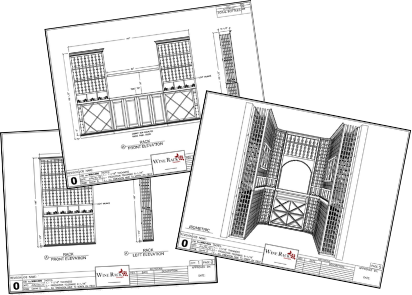
Have an expert help today!
Free 2D wine cellar design