Wine Cellar Build Cost: A Comprehensive Budgeting Guide

A wine cellar is a specialized piece of climate-controlled machinery where costs are dictated by engineering integrity first and aesthetic finish second. If you're planning a sanctuary for your collection, you likely realize that the primary challenge isn't just selecting a wood species; it's ensuring the environment remains stable for decades. We understand the hesitation that comes with material price volatility and the fear of hidden expenses in high-performance refrigeration. This guide provides a clear breakdown of the wine cellar build cost, offering a realistic look at the modern landscape of custom construction.
You'll discover how different material choices affect your bottom line and why a global perspective on manufacturing is essential for quality. While we take pride in American-made metal doors and specialized peg series, we also recognize that modern excellence often requires sourcing materials from across the globe. We'll navigate the complexities of professional installation and the long-term value of custom systems. This overview moves from the big picture of structural requirements to the fine details of racking, helping you transition from an initial vision to a finished, professional result.
Key Takeaways
- Establish a realistic budget by identifying where your project fits within the three primary investment tiers.
- Prioritize your infrastructure spending on dedicated climate control and vapor barriers to avoid the high costs of mold or structural damage.
- Evaluate how global material sourcing impacts your overall wine cellar build cost by balancing domestic craftsmanship with international supply chain realities.
- Reduce the risk of expensive changes by understanding the value of professional design and the typical labor allocation for specialized installation.
- Recognize how quality components like the Vintner or Classic series can enhance residential property value and drive commercial growth.
The Investment Landscape: National Average Wine Cellar Costs
Planning a professional-grade cellar requires a realistic understanding of how the market has shifted. The baseline investment for a residential wine cellar is shaped by a complex mix of local labor rates and a global supply chain. While some elements like our metal wine cellar doors are manufactured domestically, the broader industry relies on an international network for premium woods and specialized cooling components. This global reality means that your wine cellar build cost is influenced by international trade and material availability just as much as by the square footage of your home.
To better understand this concept, watch this helpful video:
Entry-Level vs. Luxury Price Points
Budgeting typically falls into three distinct tiers. An essential project, often a closet conversion, focuses on functional storage and foundational climate control. These projects utilize modular systems like the Vintner Series to maximize space without the expense of full-room construction. The designer tier moves into dedicated rooms with custom millwork and integrated lighting. Finally, the ultra-luxury tier involves complex engineering. These spaces often feature dual-pane glass walls and stone masonry, requiring high-capacity active and passive wine cellars technology to offset the thermal challenges of aesthetic materials.
Cost Per Bottle: A Better Metric for Budgeting
While many homeowners start by looking at floor space, bottle density is a more precise financial metric. High-density racking can actually lower your cost-per-bottle ratio because it utilizes vertical volume more efficiently. Standard 750ml bins in our Classic Series offer a balanced price-to-capacity ratio. However, if your collection includes Magnums or other large-format bottles, your racking budget will increase. These larger bottles require specialized dimensions and more raw material, which impacts the total wine cellar build cost. Bulk storage options can mitigate these costs for collectors who buy by the case, as they require less intricate individual cradling than label-forward displays.
Understanding these tiers helps you decide where to allocate your resources. A master craftsman approach ensures that whether you choose a compact Wall Wine Rack Series or a sprawling custom room, the focus remains on the protection of your investment. By acknowledging that manufacturing is a global endeavor, you can make informed decisions about material origins and lead times, ensuring your project stays on schedule and within your established budget.
Climate Control and Infrastructure: The Core Cost Drivers
Standard residential air conditioning isn't equipped to handle the specific demands of long-term wine preservation. While your home's HVAC system focuses on a broad range of human comfort, a wine cellar requires a constant temperature of approximately 55°F and a steady humidity level between 50% and 70%. Standard units remove moisture from the air, which can eventually dry out corks and lead to oxidation. This technical gap is why specialized climate control is a significant factor in your total wine cellar build cost.
Vapor Barriers and Insulation Requirements
Protecting your structure from condensation is a primary engineering concern that many homeowners overlook. Without a 6-mil polyethylene plastic barrier or closed-cell spray foam, moisture will migrate through walls and cause mold growth or structural decay. This infrastructure phase often requires stripping the room to its studs to ensure every gap is sealed. According to Purdue University's wine storage guidelines, maintaining these specific conditions is vital for preventing spoilage and protecting your investment.
Walls typically require an R-value of 19, while ceilings often need R-30 to maintain thermal stability. If you're converting an existing basement or closet, the labor to remove drywall and install these materials represents a significant portion of the budget. However, investing in high-quality vapor barriers and insulation prevents your cooling unit from overworking. This reduces energy consumption and extends the life of your mechanical equipment.
Cooling System Varieties: Self-Contained vs. Split Systems
Choosing the right machinery depends on your space's layout and your tolerance for noise. Self-contained refrigeration units are generally the most accessible and cost-effective option for smaller cellars. They house the compressor and evaporator in one unit, but they require a well-ventilated adjacent room to exhaust heat. If your cellar is located near a primary living area, the noise from these units might be a factor to consider.
Split systems offer a more sophisticated solution by separating the noisy compressor from the evaporator inside the cellar. These systems provide near-silent operation and a cleaner aesthetic. While these units involve a higher initial wine cellar build cost, they often provide better long-term reliability for larger collections. We recognize that manufacturing is a global process, and we source cooling components from a diverse range of international manufacturers to ensure peak performance. If you're unsure which system fits your architectural constraints, you can explore our custom wine cellar cooling solutions to find a reliable partner for your project.
Racking Materials and Global Sourcing Realities
Selecting materials for your cellar is more than an aesthetic choice; it's a decision grounded in the realities of the modern global supply chain. While we take pride in our American-made metal doors and specialized peg series, it's important to recognize that manufacturing is an international endeavor. Your wine cellar build cost will be influenced by the origin of your materials, whether you're sourcing premium Redwood from sustainable forests or precision-engineered metal components from overseas providers. This realistic perspective ensures you receive an accurate portrayal of how material origins impact your bottom line.
Traditional Wood Racking: The Vintner and Carpenter Series
Traditional wood racking remains a benchmark for luxury collectors who value a classic aesthetic. The Vintner Series provides a modular yet sophisticated look that balances quality with installation speed. If you choose unfinished Pine, you'll find a more accessible price point than premium All-Heart Redwood, which is prized for its natural durability in high-humidity environments. For those seeking a truly unique space, the Carpenter Series offers fully custom millwork. This handcrafted approach involves higher labor costs because each piece is tailored to your room's specific dimensions, but it results in a timeless display that respects the heritage of fine wine.
Modern Metal and Fusion Wine Walls
Modern collectors often lean toward the minimalist lines of the Fusion Wine Wall. These systems allow for a label-forward presentation that mirrors high-end retail displays and makes inventory management more intuitive. If you're looking for an even more dramatic effect, Cable and Glass systems create a floating appearance that has become a staple in modern cellar design trends. These contemporary options often require specialized metal wine cellar doors to ensure the enclosure remains airtight. These doors are a critical investment because they provide the security and seal necessary for the cooling systems discussed in previous sections to function efficiently.
Global supply chain fluctuations are a factual part of budgeting. Trade policies and international transport costs can impact the price of exotic woods and specialized alloys used in high-end racking. By maintaining a broad view of the marketplace, you can better understand how these external factors influence your total wine cellar build cost. We act as your guide through these complexities, blending domestic expertise with a realistic understanding of where goods are produced to deliver a professional, high-performance result.

Labor, Design, and Installation Logistics
Professional labor and specialized design services typically account for 25% to 35% of the total wine cellar build cost. This investment ensures that the technical engineering discussed in previous sections is executed with precision. While the physical racking components might arrive from various global manufacturing hubs, the local assembly and integration of mechanical systems require expert hands. You should also account for the logistical costs of national shipping; heavy wood and metal components often require freight delivery with specialized lift-gate services to prevent damage during transit.
Professional Design vs. DIY Savings
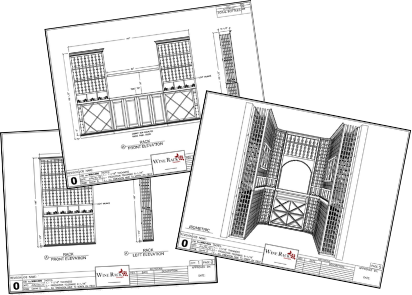
A professional design phase is a safeguard against the most common failures in wine storage. This process typically covers detailed CAD drawings and thermal load calculations, which are essential for selecting the correct cooling capacity for your specific environment. DIY attempts often result in improper sealing or inadequate insulation. These errors frequently lead to over $10,000 in structural repairs or collection loss within the first few years of operation. Wine Rack Concepts, LLC acts as a helpful guide during this phase, simplifying complex decisions about bottle spacing and mechanical placement to ensure your vision is technically sound before construction begins.
Electrical and HVAC Coordination
The infrastructure of a high-performance cellar requires more than a simple wall outlet. Most dedicated cooling systems need independent 20-amp circuits to handle the startup load of the compressor without tripping breakers. If you opt for a split system, you must hire a licensed HVAC technician to charge the lines with refrigerant; this is a specialized labor cost separate from general carpentry. Additionally, plumbing coordination is necessary for condensate drains and optional humidification systems. Lighting also requires a specific strategy. You should utilize LED fixtures that don't emit UV rays or significant heat, as both can degrade the quality of your wine over time.
Manufacturing is a global process, and the logistics of moving materials from international points of origin to your job site involves careful coordination. By recognizing that not all products are made in America, you can better plan for lead times and shipping surcharges associated with premium imports. This realistic approach to project management prevents mid-build delays and keeps your budget on track.
Contact our specialists to start your custom wine cellar design
Maximizing ROI: Why Quality Components Matter
Investing in a custom wine cellar is a decision that extends beyond immediate aesthetics. For residential property owners, a professionally engineered cellar acts as a significant value-add in the luxury real estate market. It transforms an underutilized basement or closet into a high-performance asset that appeals to serious collectors. In commercial settings, the return on investment is even more direct. A sophisticated display using our Vintner or Fusion Wine Wall series can drive higher wine sales by improving bottle visibility and reinforcing a brand's commitment to quality. The initial wine cellar build cost is often offset by increased revenue and the long-term protection of high-margin inventory.
A wine cellar is only as valuable as its ability to protect the liquid inside. Wine Rack Concepts, LLC positions itself as a master craftsman and helpful guide to ensure your investment doesn't just look the part but performs flawlessly for decades. By choosing specialized components, you're essentially purchasing insurance for your vintages. This perspective shifts the conversation from simple construction to long-term asset management.
Durability and Protection of Your Collection
The true cost of a poorly built cellar is revealed through spoiled collections and structural damage. Choosing a specialist manufacturer prevents common issues like cork dry-out and label degradation caused by improper humidity levels. High-performance, energy-efficient cooling units might require a higher upfront wine cellar build cost, but they offer substantial savings on utility bills over their 15-year lifespan. These systems are designed to maintain the precise 55/55 environment necessary for aging, ensuring that a $500 bottle of Cabernet retains its value and character.
The Wine Rack Concepts, LLC Advantage
We leverage a realistic understanding of the modern global supply chain to provide the best value to our clients. While we take pride in our American-made metal doors and specialized peg series, we recognize that manufacturing is an international endeavor. We source premium materials from across the globe to ensure we provide the highest quality at manufacturer-direct pricing. This blend of domestic craftsmanship and global sourcing allows us to solve traditional storage problems with innovative, modern solutions. Our metal wine cellar doors, for instance, provide the structural integrity and airtight seal that international imports often lack, creating a perfect synergy between domestic and global components.
Balancing a realistic budget with a luxury vision requires a partner who understands the nuances of both residential and commercial requirements. Wine Rack Concepts, LLC invites you to move from the planning phase to an actionable next step. You can request a custom design and detailed quote to see exactly how these components fit into your specific space and financial goals. Let us help you bridge the gap between your initial vision and a finished, professional result that stands the test of time.
Transforming Your Vision into a Professional Reality
Building a sanctuary for your collection is a project that balances technical precision with personal style. We've explored how the wine cellar build cost is shaped by essential infrastructure, from vapor barriers to split-system cooling units. Understanding the global nature of material sourcing allows you to plan with accuracy. It ensures your budget reflects the reality of international trade and manufacturing rather than relying on domestic assumptions.
Since 2010, our Cincinnati-based team has acted as a master craftsman for clients nationwide. We specialize in both residential and commercial storage, bringing over a decade of expertise in climate-controlled infrastructure to every project. Whether you're envisioning a classic wood room or a modern glass display, our extensive portfolio demonstrates a commitment to durability and timeless design.
Request Your Custom Wine Cellar Design and Quote
We're here to act as your helpful guide through the complexities of design and installation. Taking the first step toward a professional cellar ensures your collection remains protected while adding lasting value to your property.
Frequently Asked Questions
What is the average cost per square foot for a custom wine cellar?
The average cost to build a professional wine cellar ranges from $250 to $700 per square foot. This range depends on the complexity of your climate control and the origin of your materials. While basic storage uses more accessible components, luxury projects involve specialized labor and premium imports that drive the price toward the higher end of the spectrum.
Can I build a wine cellar in my basement for under $20,000?
You can build a small basement wine cellar or closet conversion for under $20,000 if the project is limited to 100 or 200 bottles. These entry-level builds typically utilize self-contained refrigeration units and modular racking. However, larger rooms or those requiring significant structural insulation and high-end series like the Carpenter Series will likely exceed this budget.
How much does a professional wine cellar cooling system cost to install?
A professional cooling system typically costs between $3,000 and $20,000 to install, including both the equipment and specialized HVAC labor. While small self-contained units start at a lower price point, complex ducted split systems for larger rooms require a higher investment. These advanced systems ensure silent operation and the precise climate stability necessary for long-term aging.
Does a glass wine cellar cost more than a traditional wood cellar?
Glass wine cellars generally cost more than traditional wood cellars because of the specialized engineering required for climate integrity. You must use dual-pane, UV-treated insulated glass to prevent heat transfer and condensation. These structural requirements, combined with modern racking, often double the wine cellar build cost compared to standard wood configurations.
Is it cheaper to buy a wine fridge or build a small custom cellar?
Buying a standalone wine fridge is almost always cheaper than building a custom cellar. A custom build involves structural insulation, vapor barriers, and dedicated machinery that provide superior protection for larger collections. While a fridge is a functional appliance, a custom cellar acts as a permanent architectural feature that adds significant value to your property.
What are the hidden costs of building a wine room in a modern home?
Hidden costs often include specialized electrical work, such as dedicated 20-amp circuits, and the installation of 6-mil vapor barriers. Many homeowners also overlook the expense of condensate drains and the labor required to strip walls to the studs for proper insulation. These infrastructure requirements are essential for preventing mold and ensuring the longevity of your cooling equipment.
How long does it take to build a custom wine cellar from design to finish?
A custom wine cellar project typically takes between 8 and 16 weeks from the initial design to the final installation. This timeline accounts for the CAD design phase, the manufacturing of custom racking, and the coordination of specialized labor. Global supply chain factors can influence the delivery of international materials, so it's best to plan for these realistic lead times.
Does a custom wine cellar increase the resale value of my home?
A professionally built custom wine cellar can significantly increase the resale value of a luxury home by serving as a unique selling point. It appeals to high-end buyers who prioritize proper collection storage and architectural distinction. Beyond the financial return, it provides pride of ownership, making the wine cellar build cost a worthwhile investment for serious collectors.
Have an expert help today!
Free 2D wine cellar design