Modular Wine Rack Guide for Growing Collections

*Pictures are renderings. Actual wine racks may look different
The custom-built, permanent cellar you've always envisioned might actually be the biggest obstacle to your collection's future. While a fixed installation looks impressive on day one, it often fails to account for the reality of a growing hobby or the need to adapt to new spaces. Most collectors eventually face the frustration of mismatched racks and wasted corner space, wondering if their modular wine rack system can truly keep up with their acquisitions. You deserve a solution that reflects the value of your bottles without the fear of outgrowing it too quickly.
By choosing a professional-grade modular approach, you can design a scalable environment that evolves alongside your curation. This guide explores how to balance aesthetic harmony with technical precision, even as global trade shifts and a 25% tariff on many imported wooden furniture pieces impacts the 2026 market. We'll show you how to select durable materials from reliable international sources and integrate climate control into your plan. You'll learn how to move from a cluttered shelf to a sophisticated display that feels complete at every stage of its growth, ensuring your storage remains as professional as the wine it protects.
Key Takeaways
- Learn how to design a modular wine rack system using standardized components that allow your storage to grow without requiring expensive future renovations.
- Gain a realistic perspective on the global supply chain, understanding how international manufacturing ensures access to high-quality materials for both wood and metal racking.
- Compare specialized series such as Vintner for maximum bottle density or Carpenter for a focus on traditional craftsmanship to find your ideal aesthetic.
- Discover the technical requirements for integrating self-contained refrigeration units to maintain a professional, climate-controlled environment for your evolving collection.
What is a Modular Wine Rack System?
A modular wine rack system represents a fundamental shift from static furniture to dynamic architecture. It's a collection of standardized, interlocking components designed to function as a single, cohesive unit. This approach directly solves the most common headache for serious collectors: the fear of outgrowing a storage space. Instead of facing a costly demolition when your collection expands, you simply integrate additional modules that match your existing setup. This scalability ensures that your initial investment remains valuable for years, providing a professional foundation that evolves alongside your curation.
Many people mistake modularity for a temporary or "entry-level" option, but professional series offer the same aesthetic refinement as fully custom installations. The primary difference lies in the logic of the design. While a custom cellar is often built for a specific moment in time, a modular system is built for the future. In 2026, collectors are moving away from fixed, immovable racks. They want storage that can adapt to new homes or expanded cellar footprints without losing its sophisticated, high-end appearance. It's about achieving a bespoke look through a more intelligent and flexible framework.
Achieving this level of scalability requires a realistic view of modern manufacturing. High-quality wine storage is no longer a local-only endeavor. Most professional systems rely on a global supply chain, sourcing premium timber and specialized metal components from international manufacturing hubs in Vietnam and China. This global process ensures that every piece meets exact tolerances. It's this precision that allows modules purchased years apart to fit together perfectly, maintaining the structural integrity and visual harmony of your display.
The Evolution of Wine Storage Modularity
Storage has moved far beyond basic stackable cubes. Today's series are sophisticated architectural elements that prioritize both protection and presentation. Modern systems use standardized dimensions that let you mix different storage styles while maintaining a unified look. As noted in Wikipedia's overview of wine racks, the variety of materials and designs has expanded significantly to meet both functional and decorative needs. Collectors now use these systems to create floor-to-ceiling focal points that feel like a deliberate part of the room's design.
Key Components of a Modular System
A complete system includes more than just the bottle holders. Base units provide the necessary foundation, while crown molding and toe kicks add a finished, professional touch. Structural integrity is maintained through specialized spacers and connectors that keep the units stable even when fully loaded. You can select from several specific component types:
- Individual Bottle Racking: Designed for easy access and visibility of every label.
- Bulk Storage Bins: Ideal for storing full cases or larger bottle formats.
- Display Rows: Angled shelving that highlights your most prized acquisitions.
These components work together to create a balanced storage environment that is both functional and visually impressive.
Materials and Construction: The Reality of Global Manufacturing
The belief that all premium wine storage is manufactured domestically doesn't align with the reality of the 2026 furniture market. High-quality production is an international effort. While the design and engineering of a professional modular wine rack system often originate in the United States, the physical components frequently come from global manufacturing hubs. Vietnam and China currently lead the market; Vietnam alone exported over $7.39 billion in furniture to the U.S. in 2025. This international sourcing is a strategic choice. It allows for the use of specialized timber and precision-engineered metal that might not be available at scale locally.
Understanding this global context helps you make informed purchasing decisions. For instance, a 25% tariff on imported wooden furniture remains in effect throughout 2026, directly influencing the pricing and availability of various wood series. Choosing the right materials isn't just about the country of origin; it's about long-term durability. For bottles intended to age for decades, the racks must resist the warping effects of high humidity and the constant weight of glass. Selecting modern wine cellar materials like stainless steel or moisture-resistant hardwoods ensures your collection stays safe and stable.
Wood Series: Classic, Carpenter, and Vintner
Wooden racking remains the gold standard for many because of its timeless aesthetic and natural insulation properties. The Vintner Series is engineered for maximum bottle density, featuring a more streamlined profile that fits into tight spaces. In contrast, the Carpenter Series emphasizes a heavier, more traditional look that mimics the feel of a custom-built cellar. Most of the timber used in these professional series is sourced from international forests to ensure consistent grain patterns and structural strength. Because of the complexities of the global supply chain, lead times for the Vintner and Carpenter series can vary. It's always best to consult with a specialist to check current availability before starting your project.
Modern Metal and Hybrid Systems
Metal systems have gained popularity for their minimalist, architectural feel. The Wine Peg Series uses high-grade aluminum or steel pegs that can be mounted directly to a backer board, creating a "floating bottle" effect. If you prefer a mix of textures, Fusion Wine Walls integrate wood frames with metal hardware. These hybrid systems offer the best of both worlds: the warmth of wood and the sleekness of metal. These materials are chosen specifically for their corrosion resistance, which is vital in a climate-controlled environment. Every metal component is weight-tested to ensure it can support your modular wine rack system as your collection grows over time.
Comparing Modular Series: Finding the Right Fit for Your Space
Selecting the right modular wine rack system requires a clear understanding of your collection's current volume and its projected growth over the next five years. You must evaluate three primary criteria: bottle capacity, depth, and height. Standardized modules allow for this level of precision, ensuring that a unit purchased today will align perfectly with one added in 2028. While some believe that professional racking must be locally sourced to be high-quality, the reality of the 2026 market is that the most durable and precisely cut components often come from specialized international facilities in Vietnam and China. This global production ensures that interlocking parts meet the exact tolerances required for a stable, professional-grade installation.
If your primary goal is maximizing storage in a limited footprint, the Vintner Series is the most effective choice. It's engineered for high-density storage, utilizing a streamlined profile that accommodates a large number of bottles without overwhelming the room. For those who prioritize the look of traditional craftsmanship, the Carpenter Series provides a more substantial, architectural presence. If you're working with narrow corridors or shallow alcoves, the Wall Wine Rack Series offers a slim profile that turns transit spaces into functional displays. Each series is designed to handle standard 750ml bottles, but you should also incorporate specific modules for Magnums or Champagne bottles to avoid crowded, messy-looking shelves. Following Purdue's Wine Storage Guidelines helps ensure that your racking choice supports the necessary airflow and temperature stability for long-term aging.
High-Density vs. High-Aesthetic Racking
You don't have to choose between a large collection and a beautiful room. While individual bottle racking in a Vintner layout provides the highest bottle count per square foot, you can break up the visual weight with high-aesthetic options. Fusion Wine Walls and Cable and Glass Wine Racks create a sense of openness and light. These modern systems act as a visual centerpiece, allowing you to display your most prized labels while more utilitarian wood racks handle the bulk of your storage in the background. Balancing these two styles creates a cellar that feels both professional and curated.
Specialized Modular Components
A truly professional system uses specialized components to solve architectural challenges. Corner units are essential for turning awkward 90-degree angles into seamless storage transitions, preventing wasted space. For those who purchase by the case, diamond bins and bulk case storage modules provide a clean way to organize large quantities of the same vintage. If you prefer a minimalist look, the Wine Peg Series allows for a label-forward display that highlights the bottle's design rather than the rack itself. These components are weight-tested and engineered to maintain structural integrity as your system expands vertically or horizontally.
Planning and Installing Your Modular Wine Rack System
Successful installation begins with a tape measure and a five-year plan. When you design a modular wine rack system, you aren't just accounting for the bottles you own today. You're preparing the physical footprint for every acquisition you'll make over the next several years. This foresight prevents the common mistake of installing a base unit in a location that cannot accommodate vertical or horizontal growth. Because these systems rely on precise, interlocking components often sourced from global manufacturing hubs in Vietnam and China, ensuring your initial measurements are exact is vital for the long-term alignment of future modules.
Once you've mapped your space, the installation follows a logical progression. You'll start by selecting a base series, such as the Vintner or Carpenter, that matches your home's architectural style. Safety must be your primary focus during assembly. You must verify floor levelness before the first bottle is placed. Even a slight incline can cause a tall modular stack to lean, putting unnecessary stress on the fasteners. Use professional-grade hardware to secure the racks, and always finish the project with crown and base moldings to achieve that seamless, custom-built appearance.
Space Considerations for Modular Layouts
Modular units are particularly effective in challenging residential spaces. If you're converting a small closet, focus on high-density racking that maximizes every inch of the interior perimeter. For under-stair installations, you can step the height of your modules to follow the slope of the staircase, creating a dramatic and efficient display. In basement cellars, you must account for floor-to-ceiling heights and ensure the materials can withstand the constant humidity required for wine preservation. These environments benefit from the durability of internationally sourced hardwoods and corrosion-resistant metals.
Safety and Stability Requirements
The weight of a growing collection is often underestimated. A standard 750ml bottle of wine weighs approximately three pounds. A modular stack of 100 bottles adds 300 pounds of static load to your floor and wall. In light of modern safety focuses like the STURDY Act, which emphasizes furniture stability, wall anchoring is a non-negotiable step for any rack over 48 inches tall. Use wall strapping and heavy-duty anchors to prevent tip-over risks. A level foundation is the secret to perfect modular alignment. If your floor is uneven, use shims to create a perfectly horizontal base before connecting subsequent units.
Beyond the Rack: Integrating Cooling and Custom Features
A professional modular wine rack system provides the physical structure for your collection, but climate control provides the long-term security. For bottles intended to mature over years, maintaining a constant 55 degrees Fahrenheit and 60% humidity is essential for proper aging. This requirement moves the project beyond simple shelving into a managed environment. Like the racks themselves, modern cooling technology is part of a global supply chain. Precision components for these units are often sourced from specialized international facilities, ensuring that even a residential cellar benefits from high-level engineering standards. You shouldn't settle for a system that only looks the part; it must perform as a protective vault.
Airflow management is a critical technical detail that many collectors overlook during the planning phase. If your racks are placed too close to cooling intake or exhaust vents, they can obstruct the necessary circulation of cold air. This obstruction creates "hot spots" within the room that can damage corks and accelerate oxidation. When you're designing your layout, ensure there's a clear path for the air from your self-contained refrigeration units to move freely. These units are particularly effective for modular rooms because they're designed for easy integration, provided they have the space to breathe and operate efficiently.
Climate Control for Modular Rooms
Selecting the right cooling system depends on both the volume of the room and the density of your racking. A high-capacity Vintner layout holds significantly more thermal mass than a minimalist peg system, which affects how hard your cooling unit needs to work. You'll also need to install a proper vapor barrier on the "warm side" of the insulation before the modular units are moved into place. This barrier prevents moisture from seeping into your home's structural walls, a technical requirement that distinguishes a professional installation from a DIY project. Choosing between a self-contained unit and a split system will depend on your home's existing ventilation and where you can exhaust the heat generated by the cooling process.
Customizing the Modular Look
You can elevate a standard storage area into a luxury destination with the right finishing touches. Metal wine cellar doors are a popular choice in 2026, offering both structural durability and a high-end aesthetic. These doors, often manufactured in international metalworking hubs, provide the necessary thermal seal to maintain your climate settings while showcasing your collection. Integrating LED lighting within the modular components further highlights your labels without adding the damaging heat associated with traditional bulbs. For a tailored approach to your unique space, contact Wine Rack Concepts for a professional design consultation and move one step closer to your ideal cellar.
Building Your Collection for the Decades Ahead
Designing a storage space that grows with you is the most effective way to protect your investment. By choosing a modular wine rack system, you avoid the constraints of fixed installations and gain the flexibility to adapt to new spaces or larger bottle counts. It's important to remember that while design and engineering are led by our American team, the modern reality of high-quality furniture involves a global supply chain. Sourcing premium materials from international hubs ensures that every interlocking component meets the exact tolerances required for a professional-grade finish.
Whether you prefer the traditional warmth of the Vintner Series or the sleek lines of Fusion Wine Walls, the key to success lies in early planning for climate control and structural stability. As an American-owned firm specializing in climate-controlled integration, we help you navigate these technical choices with a wide range of styles. You can create a space that functions as both a piece of architectural decor and a professional tool for preservation.
Your collection represents years of curation and discovery. We look forward to helping you build a home for it that is equally timeless and durable.
Frequently Asked Questions
Can I mix different modular wine rack series in the same room?
Yes, you can mix different series to create a unique hybrid look. Combining the warmth of a wood series like Vintner with the sleek lines of Fusion Wine Walls allows you to balance high-capacity storage with a modern display. Since these systems often share standardized dimensions, they integrate seamlessly. This flexibility helps you avoid the look of mismatched racks while adapting to the specific architectural needs of your room.
How many bottles can a standard modular wine rack system hold?
Capacity is entirely dependent on the modules you choose, but a professional modular wine rack system can scale from 50 bottles to several thousand. A single column in a high-density series typically holds around 20 bottles. Because the system is scalable, you can start with a small footprint and add interlocking units as your curation expands, ensuring you never run out of professional storage space for your growing collection.
Do I need a professional to install modular wine racks?
While many collectors enjoy the assembly process, professional installation is often the best choice for tall or complex configurations. Experts understand how to manage wall anchoring and floor levelness, which are critical for maintaining structural integrity under the weight of hundreds of bottles. If you're integrating cooling units or metal cellar doors, a professional ensures that the technical requirements for a climate-controlled environment are fully met and secured.
What is the best wood for a modular wine rack system?
Redwood and Mahogany are the top choices due to their durability in the high-humidity environments required for aging. These woods are often sourced through a global supply chain to ensure consistent quality and grain patterns. Because they're naturally resistant to moisture, they don't require chemical finishes. This is a vital consideration for collectors who want to avoid introducing off-gassing or odors into their storage space over the long term.
Are modular wine racks as sturdy as custom-built cellars?
Professional modular systems provide the same level of stability as a custom-built cellar when they're installed correctly. They utilize precision-engineered joints and heavy-duty fasteners to manage the significant weight of a full collection. As long as you prioritize a level foundation and follow proper wall-anchoring protocols, your modular setup will remain sturdy and secure for decades. It's a realistic, high-quality alternative to traditional fixed installations that offers much more future flexibility.
How do I add to my modular system as my collection grows?
You can expand your setup by adding new modules that match your existing series' height and depth. Most professional systems use standardized interlocking components that allow for both vertical and horizontal growth. This logic ensures that a unit purchased today will fit perfectly with one added years from now. It's a practical way to manage your budget and space as your hobby evolves into a serious, professional-grade collection without wasting prior investments.
Can modular racks be used in a climate-controlled wine cellar?
Modular racks are ideal for climate-controlled cellars because they're built from materials that resist the effects of constant humidity. Whether you choose wood or metal, these components won't warp or corrode in a properly managed environment. You must simply ensure your rack placement doesn't interfere with the airflow from your refrigeration units. This allows the refrigerated air to circulate evenly around every bottle in the system, maintaining the stable temperatures your wine requires.
What is the difference between the Vintner and Carpenter series?
The Vintner Series is designed for maximum bottle density, making it the preferred choice for collectors with large inventories. In contrast, the Carpenter Series features a more substantial, architectural profile that emphasizes traditional craftsmanship. While Vintner offers a streamlined look that fits well in modern spaces, Carpenter provides the heavy, built-in feel of a classic cellar. Both series utilize high-quality materials sourced through our international manufacturing partners to ensure long-term durability and aesthetic harmony.
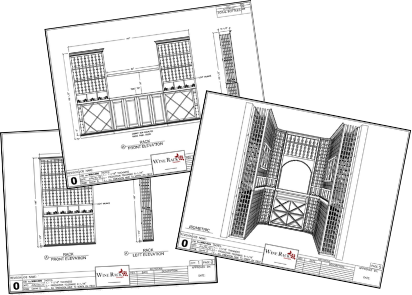
Have an expert help today!
Free 2D wine cellar design