Modular Wine Cabinets: How to Choose a Flexible Storage System

*Pictures are renderings. Actual wine racks may look different
The most flexible wine storage choice may not be a cabinet at all. Modular wine cabinets can sound like an easy way to adapt storage as your collection changes, but the label alone does not tell you whether a system suits your room, bottle mix, or design priorities. Compare enclosed cabinetry with open racks before committing, especially when space and climate control also matter.
Start with the collection and the space together. Estimate how much wine you need to store, decide which bottles should be easy to reach, and consider how you want them displayed. A cabinet may create a more enclosed look, while rack based options can make bottles part of the room. These formats are not automatically interchangeable, so check the dimensions and compatibility of any specific configuration.
This guide helps you compare cabinet style and rack based storage, identify the measurements and design details to evaluate, and understand how storage choices relate to temperature control. You will also find a practical path from early ideas to a considered design, including wood, metal, cable, and glass systems to discuss for your space.
Key Takeaways
- Clarify what "modular" means for a specific system, and confirm whether its components can be combined or expanded before you commit.
- Use your collection, room dimensions, access routes, and display preferences to shape a design brief for modular wine cabinets.
- Compare enclosed cabinets, open racks, and custom cellars by enclosure, display, access, room fit, and overall design scope.
- Consider climate control alongside storage, and check that recommendations suit the room and selected equipment.
- Bring your plans to a design discussion and compare options such as wood, metal, cable, and glass systems or a custom wine cellar.
What Do Modular Wine Cabinets Offer Compared with Standard Wine Storage?
Modular wine cabinets are a way to plan wine storage around a collection and a defined space, with flexibility that depends on how the specific system is designed. The term alone does not confirm that units can be expanded, rearranged, or joined together. Before choosing a product, check its actual configuration, dimensions, and compatibility.
At its core, modularity means designing parts to work within a larger system. These modular design principles can guide your questions, but they do not verify the features of any particular wine cabinet. Treat "modular" as a concept to investigate, not a promise on a product label.
For a visual example of a rack system presented as modular, watch this video:
Cabinet style storage typically presents wine in an enclosed, furniture like form, while open racks hold bottles on visible supports. Neither format automatically includes climate control. A purpose designed wine cellar is a broader storage environment planned around the room and its requirements, and may include wine racks and cooling. The right choice depends on the project, not on one format being universally better.
How Is a Modular Wine Cabinet Different from a Wine Rack?
The distinction is about design and configuration, not a guaranteed product category. An enclosed cabinet can create a contained visual feature. Open racks make bottles part of the room's display and can suit a wall or dedicated area. To compare rack layouts, materials, and customization considerations, explore this guide to custom wine racks.
Who Should Consider a Modular Cabinet-Style Approach?
Consider cabinet style planning if you want storage and presentation to feel integrated with a finished room. It may suit a clearly defined installation area, while a changing collection calls for careful thought about capacity and future needs. Do not assume a system can grow with your collection. Ask whether additional components fit the existing design and whether the planned arrangement works with your room dimensions and access routes.
Start with practical details: what you store, how you want to see and reach it, and how much space is available. Then compare the proposed layout with your room and collection. If the project needs a purpose designed environment or active cooling, treat those as separate design considerations rather than assuming a cabinet or rack provides them.
Which Design Decisions Make Modular Wine Cabinets Adaptable?
Adaptability starts with a clear design brief, not an assumption that a cabinet can be reconfigured later. For modular wine cabinets, record what you store now, how you expect your collection to change, where the storage will sit, and how you want bottles to appear in the room. Then confirm which of those choices the specific system actually supports.
How Should Collection Size and Growth Shape the Plan?
Estimate the space your current collection requires. Consider whether you expect to add bottles, change the mix, or reserve room for particular favorites. Planning for future capacity is sensible, but it does not confirm that a rack can be extended. Ask whether additional components are compatible, and check the proposed arrangement against the room dimensions before relying on growth as a feature.
Access matters as much as capacity. A dense arrangement may use a defined area efficiently, while wider spacing or a display oriented layout can make individual bottles easier to see and select. Decide which bottles should be within easy reach and whether the collection is mainly for storage, presentation, or both.
Which Materials and Visual Styles Should You Compare?
Wooden and metal racks create different visual effects, and the right choice depends on the room and the design you want. Wooden wine racks can bring a traditional, furniture like character; browse wooden wine rack options as one reference point. Metal racks may suit a cleaner, more contemporary look. In either case, confirm the material and finish available for the specific design rather than assuming every cabinet uses the same construction.
Material is only one part of the visual brief. Consider whether bottles should be prominent or discreet, how the storage relates to nearby finishes, and whether an enclosed look or open display better suits the space. Architectural Digest's example of innovative wine storage design can offer a perspective on treating storage as part of a room's composition.
Visibility, access, and storage density can pull in different directions. A display led layout can make labels easier to appreciate, while compact storage may prioritize fitting more bottles into a defined footprint. Discuss the trade offs rather than selecting by appearance alone. Wine Rack Concepts, LLC offers options including the Classic, Carpenter, and Vintner rack series, as well as Fusion Wine Walls and cable and glass systems. These are choices to compare, not proof of a particular modular cabinet configuration.
Core planning inputs: collection size and anticipated changes, room dimensions, access needs, display preference, material direction, and verified system compatibility. If you would like help turning those priorities into a project brief, explore the free wine storage design resource.
Modular Wine Cabinets vs. Open Racks and Custom Cellars: What Fits Best?
These formats address different design needs. A cabinet concept may suit a defined area and an enclosed look. Open racks can make bottles part of a room's visual composition. A custom cellar lets the storage plan account for the room as a whole. Use the comparison below as a starting point, not a ranking. Details vary by system, so confirm dimensions, configuration, and any cooling requirements before deciding.
| Consideration | Cabinet-style storage | Open wine racks | Custom wine cellar |
|---|---|---|---|
| Enclosure | Designed with an enclosed or furniture like appearance; verify the actual construction. | Bottles sit on visible supports rather than inside a cabinet. | May be planned as a dedicated room or defined cellar area. |
| Display | Can offer a contained presentation, depending on the design. | Makes the rack and bottles part of the room's display. | Can coordinate storage and the room's overall presentation. |
| Access | Review door or opening clearance and how bottles are reached. | Consider bottle visibility and access within the proposed layout. | Plan circulation and access across the full space. |
| Room fit | Compare the unit's verified dimensions with the installation area. | Consider the wall or area available for the rack arrangement. | Evaluate the room and its project requirements together. |
| Design scope | Often considered as a defined storage feature. | Centers on the rack layout and its relationship to the room. | Addresses a broader storage environment and may include cooling. |
Compare a cabinet concept with a custom cellar when storage needs, room conditions, or climate control planning extend beyond a defined cabinet area. The right choice depends on the collection, the space, and the experience you want, not on a universal best format.
When Might Cabinet-Style Storage Suit the Project?
Cabinet style storage may be worth exploring if you have a defined installation area and want the wine display to read as a contained feature within the room. Measure the available space and account for access around the unit before choosing. Ask the manufacturer or designer to confirm the cabinet's actual dimensions, configuration choices, materials, and whether components can be combined or changed.
When Should You Compare Racks or a Custom Wine Cellar?
If you want bottles visible as part of a wall or room design, an open rack may be a closer fit. If the project calls for a coordinated environment rather than a single storage feature, compare custom cellar planning. A custom wine cellar can be discussed as a whole room option, with storage and cooling requirements considered for the specific space.
Before settling on modular wine cabinets, check that the format addresses your room, presentation, and access priorities. Treat expandability, climate performance, and installation requirements as questions to verify for the selected design, not features to assume from its label.
How to Plan Modular Wine Cabinets for Your Room and Collection
A useful plan connects the collection to the room before you settle on a configuration. Work through a few checks: identify what needs storing, assess the proposed location, decide how wine should be displayed and accessed, then review the design and any climate control requirements.
What Should You Measure Before Choosing a Configuration?
Start with an inventory. Estimate your current collection and note how you use it, including which bottles you want easy to reach and which you prefer to feature. A realistic estimate is enough to begin and can help a designer assess the intended storage arrangement.
Next, record the proposed installation area's dimensions and sketch the surrounding space. Include doors, pathways, corners, nearby obstructions, and the clearance needed to load or retrieve bottles. Consider the display experience too: should the collection be a focal point, or should storage blend quietly into the room?
- Collection: approximate current needs and likely changes.
- Room: available dimensions, access routes, and obstructions.
- Use: bottle access, visibility, and the look you want to create.
Use these notes to compare options, not to assume a specific system will fit. Ask a designer to verify final measurements and clearances, and whether the proposed configuration suits the location. Confirm any claims about combining or adding components with the manufacturer before treating a layout as adaptable.
When Does Climate Control Need to Be Part of the Plan?
Decorative storage and a temperature controlled wine cellar are different planning questions. A rack or cabinet provides a way to arrange bottles, but do not assume it controls the room's conditions. If temperature management is part of the project, the appropriate approach depends on the room and selected cooling system. Have those requirements reviewed alongside the storage design.
For planning guidance, compare wine cellar cooling solutions and consider how the room, storage layout, and cooling choice need to work together. System selection and sizing should be based on the specific project, rather than inferred from a cabinet label or general example.
Before committing, review the proposed design against your inventory, measurements, access needs, display goals, and climate control plans. This keeps flexibility grounded in verified configuration details instead of assumptions about what modular wine cabinets can do.
How to Turn Your Modular Wine Cabinet Ideas into a Design
A useful design brief turns broad ideas about modular wine cabinets into decisions a designer can evaluate. Bring together four essentials: the room, your collection, the look you want, and whether climate control is part of the project. This helps distinguish a cabinet style concept from an open rack arrangement or a custom cellar without assuming a particular system is expandable or compatible with other components.
Wine Rack Concepts, LLC designs and manufactures wine storage solutions, with options including wine racks, custom wine cellars, wooden, metal, cable, and glass systems, and wine cellar cooling. These are categories to discuss for your project, not guarantees of a modular cabinet configuration. The right option depends on the space and the design requirements you want to address.
What Information Helps a Designer Understand Your Project?
Prepare a concise project file before requesting design help. It does not need to be a finished plan. A few clear details can make the first design discussion more focused:
- Room details: Record the available dimensions and share photographs of the proposed area, including nearby doors, pathways, and obstructions.
- Collection estimate: Describe how much wine you store now and whether you anticipate changes in the collection.
- Purpose and presentation: Note whether the project is residential or commercial, whether bottles should be on display, and which bottles need convenient access.
- Visual references: Gather examples of storage, materials, or room details that reflect the look you have in mind.
- Open questions: List what you need to confirm about materials, configuration, cooling, installation, and future compatibility.
These notes give a designer context for discussing rack and cellar options against your priorities. If climate control is involved, include what you know about the room and ask how cooling should be assessed for the selected system.
What Should You Confirm Before Moving Forward?
Before approving a proposed design, verify its dimensions, materials, stated capacity, component compatibility, and availability with the relevant manufacturer or designer. Ask how the configuration fits your room and access needs, and whether any promised flexibility is documented for that specific system. If the project needs a controlled cellar environment, clarify how cooling decisions relate to the room and proposed design.
Use the review to confirm the scope too: are you planning a rack arrangement, a cabinet style feature, or a custom cellar? A clear answer helps keep the design aligned with your collection and the way you want to use the space.
Shape Your Wine Storage Plan with Confidence
The best storage design begins with your collection and room, not with the word "modular." Before choosing modular wine cabinets, confirm whether the specific system's components can be combined or expanded, and verify that its dimensions and configuration suit your space.
Then compare the experience you want: enclosed cabinet style storage, a visible rack display, or a custom wine cellar. If climate control matters, include it in the planning conversation and assess it for the room and selected system. These decisions help turn an initial idea into a considered design.
Wine Rack Concepts, LLC designs and manufactures wine storage solutions, with options including wine racks, custom wine cellars, and cellar cooling. Share your room details, collection estimate, preferred look, and configuration questions so the options can be discussed in context.
A thoughtful plan can bring storage, display, and the character of your collection together. Start your design discussion when you are ready to shape a space around your wine.
Frequently Asked Questions
What is a modular wine cabinet?
A modular wine cabinet is a cabinet style wine storage concept planned around components and a particular room or collection. The word "modular" does not, by itself, confirm that parts can be rearranged, combined, or expanded. Check the specific system's design and compatibility before relying on those features. Cabinet style storage is typically more enclosed than an open wine rack, while a custom cellar involves planning a broader storage environment.
Are modular wine cabinets expandable?
Some systems may be designed to accommodate additional components, but do not assume every cabinet labeled modular can expand. Ask the manufacturer or designer whether new components are compatible with the original configuration and whether the layout can change in your available space. Confirm those details before purchasing. Planning for future collection growth is useful, but it is not the same as verified expandability.
Are wine cabinets better than open wine racks?
Neither option is automatically better. A cabinet style design may suit a room where you prefer a contained, furniture like presentation. Open racks keep bottles visible and can make storage part of a wall or room display. Compare the look, access, available area, and storage arrangement you need. Also check whether climate control is required, since a cabinet or rack alone should not be assumed to regulate room conditions.
How do I choose the right size modular wine cabinet?
Choose a size by matching your collection and room, then confirm the selected system's dimensions and stated capacity. Estimate how many bottles you store and consider whether your collection may change. Measure the installation area, including nearby doors, pathways, and obstructions, and note how you need to access bottles. Ask a designer to verify that the proposed configuration fits your space and intended use before you commit.
Do modular wine cabinets need cooling?
Not necessarily. Storage furniture and climate controlled wine storage are different considerations, and a cabinet should not be assumed to include cooling. Whether cooling belongs in the plan depends on the room, your storage goals, and the selected system. If you want a temperature controlled cellar, have the room and cooling requirements assessed together. Wine Rack Concepts, LLC offers wine cellar cooling, but recommendations should be specific to the project.
Can modular wine cabinets be part of a custom wine cellar?
Cabinet style storage may be considered as part of a broader cellar design, but the specific configuration must be checked for fit and compatibility. A custom cellar involves planning the storage environment around the room, which may include racks and cooling. Wine Rack Concepts, LLC offers custom wine cellars and wine racks. Discuss how the proposed storage and any cooling plan work together rather than assuming a cabinet is a cellar system.
What should I ask before ordering modular wine cabinets?
Ask for the cabinet's verified dimensions, bottle capacity, materials, available configurations, and installation requirements. If future changes matter, confirm whether components can actually be combined or added and which parts are compatible. Clarify whether the project needs a cabinet, open racks, or a custom cellar, and whether cooling should be considered for the room. Request that the proposed design be checked against your measurements and access needs before ordering.
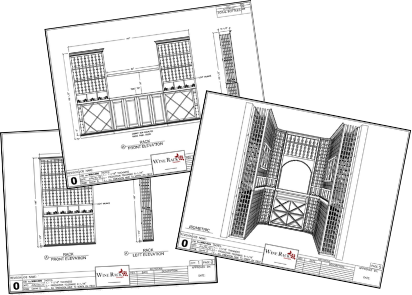
Have an expert help today!
Free 2D wine cellar design