Modern Glass Enclosed Wine Cellar Design: Aesthetics and Technical Essentials

*Pictures are renderings. Actual wine racks may look different
A glass enclosed wine cellar design is a high-performance pressure vessel disguised as a luxury display. While it serves as a breathtaking focal point in a modern home, it must function with the precision of a laboratory to protect your collection. You recognize that the beauty of floor-to-ceiling glass comes with significant technical responsibilities. If the thermal envelope fails, you face the constant threat of condensation, UV damage to expensive labels, and cooling units that burn out from overwork.
We understand that you want a museum-quality showcase without the headache of rising energy bills or compromised wine. It's entirely possible to achieve this balance when you prioritize the integrity of the invisible thermal envelope. This article will show you how to balance high-end transparency with professional-grade climate control for a stunning glass-enclosed wine display. We will examine the technical essentials of insulated glass, the role of thermal assessments, and the integration of modern systems like Fusion Wine Walls or cable racking. By the end, you'll have a clear path to creating a space that remains both a visual masterpiece and a perfect storage environment.
Key Takeaways
- Learn how to transition from hidden basement storage to a high-visibility architectural feature that integrates perfectly with modern home decor.
- Master the technical essentials of glass enclosed wine cellar design, focusing on the "thermal envelope" and the necessity of dual-pane glass for climate stability.
- Select the right racking systems, such as Fusion Wine Walls or cable series, to maintain a "floating" aesthetic while maximizing bottle capacity.
- Understand the cooling requirements for glass-heavy spaces, including how to prevent condensation and protect labels from UV damage with specialized LED lighting.
- Start your project with a professional thermal analysis to ensure your refrigeration system and metal cellar doors provide a museum-quality environment.
The Evolution of Glass Enclosed Wine Cellar Design
For decades, wine storage was relegated to the furthest corners of the basement. It was a utilitarian space, hidden away from the living areas of the home. Today, the modern glass enclosed wine cellar design has completely redefined this tradition. These structures act as a climate-controlled jewelry box for collectors, transforming a functional storage need into a sophisticated architectural statement. By utilizing glass instead of solid walls, homeowners can maximize their square footage in open-concept floor plans while keeping their collection visible from multiple rooms.
To better understand how these displays integrate into a modern lifestyle, watch this helpful video:
There is a deep psychological appeal to this shift. A well-designed glass room turns a collection into a curated art installation. It invites conversation and allows the owner to showcase their curation skills without ever opening a door. This transparency creates a sense of pride and joy in ownership, moving the wine from a dark shelf into the light of the home's primary social spaces.
Visual Impact vs. Functional Requirements
Achieving a stunning look shouldn't come at the expense of your wine's health. Aesthetics must never compromise the 55-degree storage standard required for long-term aging. While many desire a completely frameless look, maintaining a proper seal is vital for wine cellar climate control. Professional custom wine cellar design bridges the gap between form and function, ensuring that thermal seals and insulated glass units work together to protect your investment. If the seal is weak, the cooling unit will run constantly, leading to mechanical failure and ruined bottles.
Ideal Locations for Glass Enclosures
Choosing the right spot is about more than just visibility. You must avoid direct UV exposure at all costs. Placing a glass cellar near large windows is a critical error that can lead to light-strike and spoilage. Instead, look for central locations near dining rooms or wet bars where the cellar serves as a backdrop for entertaining. Integrating glass rooms into under-stair spaces or repurposed closets is an excellent way to use underutilized areas while maintaining a high-end feel. These locations often provide the stable environment needed to keep the glass clear and the temperature consistent.
Technical Specifications for Wine Cellar Glass
This commitment to maintaining a stable, high-performance environment often extends to other luxury home features. For instance, if you are looking to complement your cellar with other wellness-focused installations, you can learn more about how Iceology Cold Plunge designs premium tubs that prioritize thermal precision and recovery.
To maintain the integrity of a glass enclosed wine cellar design, you must treat the glass as a high-performance barrier rather than a simple window. Standard glass lacks the thermal resistance needed to separate a 55-degree environment from a 72-degree living room. This creates a "thermal envelope" where every square inch of the enclosure must perform like an insulated wall. Without this technical precision, your cooling system will struggle to maintain the set point, leading to mechanical failure and fluctuating bottle temperatures.
Moisture migration is the primary enemy in these designs. Water naturally moves from warm, humid areas toward cold, dry ones. In a wine cellar, this means the ambient humidity in your home tries to push through the glass into the cellar. If the glass doesn't provide an adequate thermal break, you will encounter the "warm side" moisture problem. This results in condensation forming on the exterior of the glass, which obscures your collection and can damage your flooring over time.
Dual-Pane vs. Single-Pane Glass
Single-pane tempered glass is often tempting for its slim profile, but it's a thermal failure in climate-controlled spaces. It "sweats" because the glass surface temperature drops below the room's dew point. Dual-pane insulated units are non-negotiable for professional results. These units are typically around 1 inch thick and feature a sealed gap between two layers of glass. Filling this gap with argon gas significantly improves the R-value compared to standard air. To protect your collection, these units should include Low-E coatings. Research shows that Low-E glass can cut heat gain by 60% to 70% while filtering out the UV rays that cause "light-strike" spoilage.
Sealing and Vapor Barrier Continuity
A beautiful glass wall is only as effective as its seals. Achieving a 100% airtight environment requires architectural foam glazing and high-grade rubber gaskets at every transition. If the glass meets a traditional drywall or wood-framed wall, you must ensure the vapor barrier remains continuous. Failing to do so creates a "moisture sandwich" where humidity gets trapped inside the wall cavity, leading to mold. Using metal wine cellar doors designed specifically for thermal efficiency is the best way to maintain this seal at the entrance. If you're planning a new project, a free design and thermal assessment can help you determine the exact glass specifications needed for your home's unique environment.
Racking Strategies for Maximum Transparency
Selecting the right racking is about more than just bottle count; it's about preserving the light and sightlines that make a glass enclosure special. In a glass enclosed wine cellar design, the goal is to maintain 360-degree visibility. Traditional bulky shelving creates visual clutter that defeats the purpose of a transparent enclosure. You want a system that makes your bottles look like they're floating in mid-air. Structural integrity is also a vital factor. Since glass walls can't support heavy loads, your racking must be either floor-to-ceiling mounted or securely anchored to the solid back walls.
Label-forward configurations are the gold standard for visual impact. They allow you to appreciate the curation of your collection from outside the glass without having to pull bottles out. This approach maximizes the aesthetic value of the display while still providing impressive bottle density. It's a method that treats every bottle as a piece of art.
Modern Metal and Cable Systems
Metal and cable systems are ideal for achieving a minimalist aesthetic. The Fusion Wine Wall is a standout choice for those who want to mix metal and wood for a contemporary edge. These systems provide a clean, industrial look that doesn't obstruct the view. If you want the ultimate suspended appearance, cable and glass wine racks use high-tension cables to hold bottles in place. This creates a striking, transparent display where the bottles seem to hover. For those who prefer custom geometric patterns, wine peg systems offer the flexibility to design a unique layout on the back wall, turning the entire surface into a personalized display.
High-Visibility Wood Options
Wood isn't off-limits for modern designs, provided the style remains streamlined. Using the Vintner or Classic series provides a transitional feel that works beautifully in contemporary homes. Opting for light-colored woods, such as White Oak, helps the space feel bright and airy rather than heavy and dark. You can further modernize these systems by integrating LED ribbon lighting directly into the wood racking. This provides a soft, sophisticated glow that highlights your labels without adding unnecessary bulk. It's an excellent way to bridge the gap between traditional craftsmanship and modern transparency.

Climate Control and Lighting for Glass Rooms
Successfully executing a glass enclosed wine cellar design requires a major shift in how you calculate climate needs. Unlike traditional cellars with thick, insulated walls, glass provides very little thermal resistance. Thermal dynamics change significantly when you introduce large transparent surfaces; these rooms generally require two to three times the cooling power of a standard solid-wall cellar. This higher BTU requirement ensures the system can overcome the constant heat gain from the surrounding home environment without burning out the compressor.
Lighting choice is just as critical as cooling capacity. You should always use UV-free LED lighting to prevent "light-struck" spoilage. This condition occurs when ultraviolet rays degrade the organic compounds in your wine, leading to off-flavors and ruined bottles. LEDs are the ideal choice because they emit virtually no heat and no harmful UV rays, allowing you to keep your collection illuminated for display without risking the integrity of the wine.
Maintaining a stable humidity range between 50% and 70% is the final technical hurdle. In a glass room, humidity fluctuations are more visible and potentially more damaging. Strategic placement of cooling vents is essential here; you must ensure that cold air never blows directly onto the glass surfaces. If the air hits the glass directly, it can create localized cold spots that trigger exterior condensation, which obscures your view and risks water damage to your home's flooring.
Selecting the Right Cooling Unit
A high-performance wine cellar cooling system is the heart of your display. For glass enclosures located in primary living areas, split systems are often the preferred choice. These systems house the noisy condenser unit in a separate location, such as a mechanical room or outdoors, leaving only a quiet evaporator inside the cellar. If you're aiming for a minimalist, frameless look, integrating a ductless split system provides a clean aesthetic that doesn't require bulky ductwork. Self-contained units are an option for smaller glass closets, but they require proper through-the-wall ventilation and can be louder during operation.
High-Performance Doors and Thresholds
Precision-engineered metal wine cellar doors are the gold standard for glass enclosures. These doors provide a rigid frame that resists warping, ensuring a perfect seal over years of use. To solve the "thermal bridge" problem at the floor level, you should install automatic door bottoms. These mechanical seals drop down when the door closes to block air exchange. When paired with magnetic gaskets and high-grade weatherstripping, these components form the final defense against air leaks that could compromise your cellar's climate.
Planning Your Project: Professional Design and Assessment
Executing a successful glass enclosed wine cellar design is not a project where you want to "wing it." Because glass is a poor insulator compared to standard building materials, the planning phase requires a level of technical coordination that traditional cellars simply don't. You must synchronize the work of glass installers, specialized HVAC technicians like those at Nice and Cool Inc., and racking designers from the very beginning. If these parties don't communicate, you risk a beautiful display that fails to hold its temperature. Budgeting for these projects also requires a realistic perspective. The cost of high-performance insulated glass, specialized cooling units, and structural metal framing often represents a significant portion of the total investment, but it's the price of long-term protection for your collection.
Requesting a professional plan is the only way to avoid the most common glass cellar failures. Many homeowners discover too late that their glass is sweating or their cooling unit is burning out because the initial design didn't account for the unique thermal dynamics of a transparent space. A professional design acts as a roadmap, ensuring that every seal, joint, and mechanical component works in harmony to maintain a museum-quality environment.
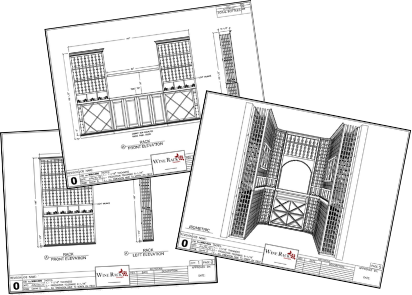
Visualization is key to ensuring the final result matches your aesthetic goals. Creating 3D renderings allows you to see how bottle density affects lighting and sightlines before any glass is cut. During this phase, you can experiment with different layouts to find the balance between storage capacity and visual transparency. You should also select finishes for your metal wine racks that complement the existing hardware in your home, such as door handles or light fixtures. Finalizing the transition details where glass meets solid walls is essential for a seamless, "built-in" look that feels like a natural extension of your architecture.
Expert Thermal Assessment
The most common reason for cellar failure is an undersized cooling unit. You cannot guess the BTU requirements for a glass room based on square footage alone. An expert assessment calculates the exact heat load by analyzing the total glass surface area, the ambient temperature of the surrounding room, and the volume of the cellar. While the glass serves as the focal point, the remaining solid walls and ceiling must meet strict R-value requirements to support the cooling system. Proper insulation in these hidden areas prevents the unit from running constantly, which lowers energy bills and extends the life of your equipment.
Start your project with a Free Custom Wine Cellar Design & Thermal Assessment to ensure your vision is backed by professional-grade engineering.
Elevating Your Collection with Professional Precision
Transitioning your wine collection into a high-visibility centerpiece is a rewarding design journey that elevates your home's architecture. A successful glass enclosed wine cellar design requires more than just aesthetic vision; it demands technical mastery over the thermal envelope to ensure long-term stability. You've learned that selecting dual-pane insulated glass and UV-free LED lighting is non-negotiable for bottle safety. By prioritizing professional-grade climate control and choosing streamlined racking like the Fusion or Cable series, you create a space that functions as a perfect cellar while looking like a modern art installation.
Our team provides specialized expertise in high-performance glass climate envelopes, offering complete solutions from thermal metal doors to modern cable racking. This consultative approach takes the guesswork out of complex calculations, ensuring your cooling unit and vapor barrier work in perfect harmony. We act as a bridge between your initial vision and a finished, professional result that respects the value of every bottle you store.
Your vision for a sophisticated, transparent display is within reach. We're here to help you move forward with confidence, knowing your collection is protected by the highest standards of master craftsmanship.
Frequently Asked Questions
Does a glass wine cellar need a special type of glass?
Yes, it requires dual-pane insulated glass with Low-E coatings. Standard glass doesn't offer the thermal resistance needed to separate a 55-degree cellar from the rest of the home. This specialized glass helps maintain the climate and blocks UV rays that can damage wine. Without it, your cooling unit will run constantly, leading to mechanical failure. Using tempered glass also ensures the enclosure meets safety standards for residential builds.
Can I use a regular glass door for my wine room?
You shouldn't use a standard interior glass door. These doors lack the necessary gaskets and thermal breaks to prevent air leaks. A professional metal wine cellar door is the better choice because it provides a rigid frame and a magnetic seal. This ensures the cooling unit doesn't overwork and prevents moisture migration into the room. A proper seal is the final defense against humidity fluctuations that can damage corks.
How do I prevent condensation from forming on the glass?
Condensation is prevented by using insulated glass and ensuring proper airflow. If the glass surface temperature drops below the room's dew point, sweating occurs. You must position cooling vents so they don't blow directly on the glass. A professional thermal assessment during the glass enclosed wine cellar design phase ensures the glass thickness and cooling capacity are perfectly matched to your environment. This precision keeps the display clear and your flooring dry.
Will my wine spoil from light exposure in a glass room?
Wine is at risk of light-strike if exposed to UV rays, but you can prevent this with the right materials. Using Low-E glass coatings filters out harmful ultraviolet light. Additionally, you should only use UV-free LED lighting inside the cellar. These lights don't produce heat or UV radiation, allowing you to display your collection safely. This combination protects the organic compounds in your wine while maintaining a stunning visual showcase.
Is a glass-enclosed cellar more expensive to cool than a traditional one?
Yes, glass enclosures typically require 2x to 3x more cooling power than solid-wall cellars. Glass has a much lower R-value than insulated drywall or wood. This means your wine cellar cooling system must have a higher BTU capacity to overcome the constant heat gain from the surrounding home. To ensure your primary HVAC system can handle this increased load and avoid mechanical noises or failures, you can explore Air Conditioning Repair from the experts at Christensen Heating and Cooling. Proper insulation in the ceiling and solid walls helps offset some of this load. A professional BTU calculation is essential to avoid system failure.
The best racking for a glass enclosed wine cellar design focuses on transparency and structural stability. Systems like Fusion Wine Walls or cable racking are ideal because they don't block sightlines. These modern options allow the bottles to appear suspended. You should choose label-forward configurations to maximize the visual impact of your collection through the transparent walls. This approach ensures your cellar remains a focal point without feeling cluttered by heavy shelving.
Do I need a vapor barrier if I have glass walls?
Yes, a vapor barrier is still essential for the non-glass portions of the cellar. You must install a 6-mil polyethylene barrier or closed-cell spray foam on the warm side of the solid walls and ceiling. The glass itself acts as a barrier, but the transitions where glass meets traditional construction must be perfectly sealed with architectural gaskets. This prevents moisture from entering the wall cavities and causing mold growth or structural damage.
How thick should the glass be for a climate-controlled wine cellar?
Frameless systems usually require 3/8-inch or 1/2-inch tempered glass for safety and stability. However, for a climate-controlled environment, a 1-inch thick insulated dual-pane unit is the standard recommendation. This thickness includes the two glass panes and the argon-filled gap between them. This configuration provides the thermal break necessary to keep your wine at the ideal 55-degree storage temperature. It is the most effective way to balance high-end aesthetics with professional functionality.
Have an expert help today!
Free 2D wine cellar design