Minimalist Wine Cellar Ideas: Achieving Sophisticated Storage with Clean Lines

*Pictures are renderings. Actual wine racks may look different
What if your wine collection didn't just sit in a room, but actually defined the architecture of your home? Many collectors find that traditional, heavy wood racks often make a modern space feel dated or visually crowded. It's a common struggle to find high-end storage that disappears into the background while still protecting the delicate chemistry of every bottle. You shouldn't have to choose between a clean, museum-quality display and the rigorous demands of professional climate control when researching minimalist wine cellar ideas.
You can achieve a sophisticated balance by blending high-end preservation with understated, modern design. We'll show you how to utilize expert-led strategies that elevate your home's value through sophisticated, label-forward displays. This guide explores the technical precision of the Wine Peg Series, the seamless integration of Fusion Wine Walls, and the structural elegance of cable systems. You'll learn how to select hardware that complements your architecture while ensuring your cooling systems, such as those from WhisperKOOL or Wine Guardian, maintain perfect cellar conditions. We'll also highlight how a professional design service can help you transition from a simple vision to a finished, gallery-quality reality.
Key Takeaways
- Learn how to transition from a traditional storage room to a high-impact architectural feature by prioritizing negative space and clean lines.
- Explore a variety of minimalist wine cellar ideas that utilize label-forward hardware like the Wine Peg Series and Cable Wine Racks to create a "floating" bottle effect.
- Understand the technical requirements for maintaining climate integrity in glass enclosures through concealed cooling systems that keep hardware out of sight.
- Discover how to maximize unused areas in your home by integrating sleek, modern wine walls into hallways or under-stair spaces.
- Master the importance of precision alignment and structural planning to ensure your minimalist display remains both functional and visually perfect.
The Philosophy of Minimalist Wine Storage
Minimalist design is often misunderstood as simply being modern. In the context of wine storage, minimalist wine cellar ideas focus on the intentional use of negative space and structural simplicity. Unlike traditional cellars that rely on dense wood racking, minimalism uses the absence of material to highlight the collection. This approach requires a delicate balance. You're trying to create a sense of visual lightness while managing the heavy physical weight of hundreds of glass bottles. Each bottle adds nearly three pounds of stress to the hardware, so the engineering must be as precise as the aesthetics.
We've seen a profound shift in how homeowners view their collections. The Wine cellar has evolved from a hidden, utilitarian basement room into a central architectural feature. By using label-forward orientation, the bottles themselves become the primary decor. This turns your inventory into a curated gallery rather than a warehouse. This orientation is the cornerstone of the style, as it replaces the repetitive look of cork-out necks with the colorful, diverse art of wine labels.
To better understand how these design principles translate into a physical space, watch this helpful video:
Core Elements of Minimalist Design
Minimalist displays thrive on a monochromatic color palette. Designers often utilize matte black, brushed silver, or neutral wood tones to maintain a cohesive look. Glass plays a vital role here. It creates a thermal boundary without establishing a visual barrier, allowing the collection to feel integrated into the surrounding room. When planning your layout, you can choose between perfect symmetry for a formal look or intentional asymmetry to create a more dynamic, artistic feel. Minimally invasive hardware allows the wine to appear as if it is floating.
Why Minimalism Suits Modern Home Architecture
Modern residential design frequently features open-concept kitchens and dining areas. Traditional, bulky racking can feel like a visual interruption in these breezy spaces. Integrating custom wine cellars with minimalist wine cellar ideas allows you to define specific zones within a room without adding clutter. For example, a floor-to-ceiling glass wine wall can act as a sophisticated divider between a dining room and a living area. This transparency maintains the flow of light while providing the necessary climate control for long-term preservation. Utilizing a free design service ensures that your aesthetic vision aligns with the structural requirements of the space.
Essential Hardware for Minimalist Wine Displays
Selecting the right hardware is the most critical step in executing your minimalist wine cellar ideas. While traditional racking focuses on density, minimalist systems prioritize the visual footprint of the support structure itself. You aren't just buying a shelf; you're choosing how much of the "storage" you want to see. High-end minimalist designs often utilize materials like stainless steel, acrylic, and anodized aluminum because they offer high tensile strength without the visual bulk of wood. You can explore our metal wine racks for modern displays to see how these materials create a streamlined silhouette.
Achieving a "floating" effect requires more than just thin hardware. It demands rigorous engineering. Every bottle must be supported securely to avoid vibrations or structural failure, which is essential when following expert advice on aging wine. Whether you choose a peg system or a cable array, the goal is to reduce the hardware to its absolute minimum while maintaining total stability. This ensures the protection of your investment while maintaining a clean, museum-quality aesthetic.
The Wine Peg Series: Precision and Versatility
The Wine Peg Series is a popular choice for those implementing minimalist wine cellar ideas because it offers a label-forward display that puts your collection front and center. These systems are incredibly versatile, allowing for single, double, or even triple-deep bottle configurations depending on your storage needs. By mounting individual pegs directly to a wall or a backing panel, you can create unique geometric patterns that reflect your personal style. It's a clean, "bottles-on-the-wall" look that removes the need for traditional framing. This flexibility makes it easier to adapt to unconventional spaces like narrow corridors or small alcoves without sacrificing design integrity.
Cable and Glass Wine Racks: The Ultimate Invisibility
If your goal is absolute transparency, floor-to-ceiling cable systems are the gold standard. These systems use high-tension stainless steel cables to create a vertical rhythm that feels almost weightless. The engineering behind tension-based storage allows bottles to be suspended in mid-air, creating a stunning visual display in glass enclosures. This "suspended in air" aesthetic is perfect for high-end collections where the wine should be the only visible element. Because these systems use minimal material, they allow for maximum airflow, which helps your cooling system maintain a consistent environment across every bottle.
If you're unsure which hardware configuration best suits your home's architecture, our team can help you visualize the possibilities with a personalized design layout.
Climate Control in Minimalist Glass Enclosures
Glass enclosures are a centerpiece of contemporary wine cellar design ideas, but they require a sophisticated approach to thermodynamics. Because glass has a lower R-value than traditional stud walls, it allows heat to transfer much faster into the refrigerated space. This means your cooling system has to work efficiently to maintain the standard 55-degree environment. If the system isn't sized correctly for the specific glass surface area, you risk temperature fluctuations that can damage your collection over time.
To preserve the visual flow of your minimalist wine cellar ideas, you should prioritize concealed cooling methods. Bulky, through-the-wall units often disrupt the clean lines of a modern room. Instead, we recommend ducted split systems that house the mechanical components in a separate room or attic. Professional wine cellar cooling solutions ensure that the only elements visible inside the cellar are your bottles and perhaps a small, discreet supply vent. This keeps the hardware out of sight while providing the necessary climate integrity.
Vapor barriers and high-grade insulation in the non-glass walls remain critical, even in a transparent "jewel box" design. Without a proper thermal envelope, moisture can seep into the space, causing the cooling unit to overwork and potentially leading to condensation issues. A specialist understands that the beauty of a minimalist build is only as good as the invisible engineering supporting the glass.
Self-Contained vs. Split Systems
Choosing between a self-contained unit and a split system depends on your home's layout and available space. We frequently recommend WhisperKOOL or Wine Guardian systems for minimalist projects because they offer ducted options that keep the ceiling lines clean and unobstructed. Strategic vent placement is essential to maintain consistent airflow without creating "hot spots" near the glass. Properly managed airflow also prevents condensation, which can cloud high-visibility glass enclosures and hide the collection you've worked hard to curate.
The Importance of Metal Wine Cellar Doors
A traditional wooden door can feel heavy and dated next to sleek, modern racking. Thin-profile metal doors provide the ideal solution for matching minimalist hardware while offering superior structural strength. These doors should include thermal breaks, which are insulating layers within the frame that prevent heat from traveling through the metal itself. This technology allows you to achieve an airtight seal and high thermal performance without relying on bulky gaskets or oversized frames that might disrupt the architectural design.

Creative Placement: Minimalist Ideas for Every Space
You don't need a sprawling basement to implement sophisticated minimalist wine cellar ideas. Modern design allows us to rethink "dead space" as premium display opportunities. A narrow hallway, for instance, often becomes an architectural afterthought. By installing a sleek, shallow-depth wine wall, you transform a transitional corridor into a high-end gallery. This approach works exceptionally well because it utilizes vertical space without obstructing foot traffic. Similarly, the area beneath a staircase is a classic example of underutilized square footage. Using glass enclosures and precision peg systems, you can create a stunning focal point that feels built into the home's bones. For active collections, a minimalist nook near the kitchen or dining area provides easy access while maintaining a clean aesthetic. You can learn more about custom wine storage solutions to see how these compact designs fit into your daily lifestyle.
The Fusion Wine Wall Approach
The Fusion Wine Wall series represents the ultimate hybrid for modern homes. It combines the organic warmth of wood with the industrial precision of metal. These modular designs are perfect for collectors who want to start small and expand their display over time. Because the system is modular, you can maintain a minimalist look regardless of your bottle count. The panels can be configured to fit specific architectural niches, creating a seamless transition between your storage and your walls. This flexibility allows you to create a high-impact focal point in transitional home spaces like dining room entries or lounge areas.
Minimalist Lighting Strategies
Lighting is the final layer that brings a minimalist project to life. Recessed LED strips are ideal for highlighting bottle silhouettes without adding visual bulk. You can choose backlighting to create a dramatic, glowing effect that defines the depth of the cellar. Alternatively, front-lighting emphasizes the label art of your most prized vintages. It's vital to use low-heat LEDs to avoid UV damage and heat gain. This ensures your collection remains bright and airy while staying protected from light-induced spoilage. Proper lighting design ensures that the negative space around the bottles remains crisp and clean.
Planning Your Custom Minimalist Project
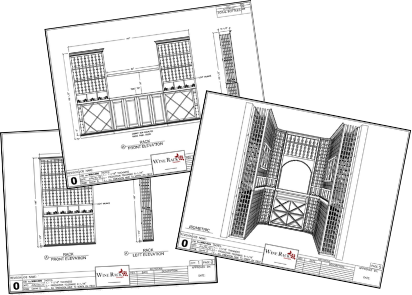
Planning a project involves more than just picking a wall. It requires a commitment to structural precision. In a minimalist environment, there's no crown molding or decorative trim to hide installation gaps. This means precision alignment is the most critical factor when executing your minimalist wine cellar ideas. If a single peg or cable is out of level, it disrupts the entire visual rhythm of the display. We utilize a collaborative design process that moves from initial 2D sketches to detailed 3D models. This allows you to see exactly how the light hits the glass and how the negative space feels before a single hole is drilled.
You also need to calculate bottle capacity with a different mindset. While traditional racking often aims for maximum density, minimalism requires you to prioritize the "breathing room" between bottles. If you pack the space too tightly, the "floating" effect is lost, and the display begins to look cluttered. We help you find that sweet spot where you have enough inventory for curation without sacrificing the understated look that defines the style. Get started with a free wine cellar design to see how we balance these competing needs for your specific home layout.
Selecting the Right Materials
Material choice sets the emotional tone of the space. White Oak is a favorite for those seeking a light, airy, or Scandinavian-inspired look that blends seamlessly with modern interiors. Walnut offers a deeper, more sophisticated warmth that pairs beautifully with matte black or brushed metal hardware. It's important to choose finishes that complement your existing home hardware, such as cabinet pulls or light fixtures, to ensure the cellar feels like a natural extension of the room. This sense of continuity often extends to the property's exterior, where Nu Scape Designs creates custom, low-maintenance landscapes that reflect the same modern design principles. Beyond aesthetics, we consider the durability of every component. Metal and glass must be rated for the specific weight loads of a full collection to ensure long-term structural integrity.
Communicating a minimalist vision to a specialist ensures that technical requirements don't compromise your aesthetic goals. A professional designer understands how to navigate the complexities of load-bearing walls and thermal seals while keeping the hardware nearly invisible. They act as the bridge between your initial inspiration and a functional, high-value installation. For a deeper look at the technical side of these builds, check out the definitive guide to custom wine racks. This expertise helps you avoid common pitfalls, such as improper vapor barrier placement or inadequate support for heavy glass panels that can occur with DIY attempts.
Elevate Your Collection with Precision Design
Creating a gallery-quality display requires more than just a few metal racks. It demands a thoughtful approach to negative space and rigorous structural engineering. By integrating specialized climate control with sleek hardware like the Fusion or Wine Peg Series, you ensure that your bottles remain protected without the visual clutter of traditional storage. These minimalist wine cellar ideas turn your home into a curated space where the architecture and the wine collection exist in perfect harmony.
Our team is ready to help you navigate these technical requirements through expert 3D design services. We focus on every detail, from the precision alignment of our customizable series to the seamless integration of WhisperKOOL or Wine Guardian systems. You can transform even the most unconventional nook into a sophisticated architectural feature that adds lasting value to your home and your lifestyle.
Your vision for a clean, modern cellar is within reach. We look forward to helping you build a storage solution that's as timeless as the vintages you collect.
Frequently Asked Questions
What makes a wine cellar minimalist?
Minimalist design centers on the intentional use of negative space and the reduction of visual clutter. Instead of heavy, opaque shelving, these cellars utilize slim hardware like the Wine Peg Series or Cable Wine Racks to create a "floating" effect. The goal is to shift the focus from the storage structure to the wine bottles themselves. This approach allows the collection to act as a primary architectural feature within modern home designs.
Can minimalist wine racks hold a large collection?
Minimalist systems are remarkably scalable and can accommodate collections of nearly any size. By utilizing high-density options like double or triple-deep Wine Pegs or modular Fusion Wine Walls, you can store hundreds of bottles while maintaining a clean look. The key is to balance bottle count with enough negative space to preserve the understated aesthetic. Professional engineering ensures that even the most delicate-looking hardware can safely support the significant weight of a large inventory.
Are glass wine cellars safe for long-term storage?
Glass enclosures are safe for aging wine as long as they are built with professional climate control and thermal integrity. High-performance systems from WhisperKOOL or Wine Guardian are designed to overcome the lower R-value of glass to maintain a steady 55-degree environment. It's essential to use insulated glass and airtight seals to prevent condensation. These technical measures ensure your collection remains protected while on display in a museum-quality showcase.
How do you hide the cooling unit in a minimalist wine room?
You can effectively hide cooling hardware by opting for a ducted split system. This configuration allows the evaporator and condenser to be located in a separate room or attic space, away from the display. Only small, low-profile supply and return vents are visible inside the cellar. This strategy is essential for minimalist wine cellar ideas because it keeps the ceiling and walls clear of bulky mechanical units that would disrupt the room's clean lines.
What is the best material for minimalist wine racking?
Metals such as stainless steel and anodized aluminum are the gold standard for minimalist racking because they provide high strength with a very thin profile. Acrylic is another excellent choice for those seeking absolute transparency. If you want to incorporate natural textures, White Oak or Walnut can be integrated into modular systems like Fusion Wine Walls. These materials offer the durability required for heavy bottle loads while complementing the monochromatic palettes of modern architecture.
Do minimalist wine displays require a professional installer?
Professional installation is critical because minimalist designs offer no decorative trim to mask alignment errors. Every component must be perfectly level and spaced with mathematical precision to achieve the desired visual rhythm. Specialists also verify that the wall structure is reinforced to handle the weight of the bottles. This expertise prevents structural failure and ensures that your high-end hardware integrates seamlessly with the surrounding glass and architectural finishes.
How does lighting affect a minimalist wine display?
Lighting is a fundamental component that defines the silhouettes of your bottles and highlights the negative space around them. Recessed LED strips are often used to provide a clean, modern glow without adding visual bulk to the racking. Backlighting is particularly effective for creating depth and making bottles appear to float. It's vital to use low-heat LED technology to ensure that the lighting doesn't introduce UV damage or heat into the temperature-controlled environment.
Is a minimalist wine wall more expensive than traditional racking?
Minimalist wine walls can be more of an investment than traditional wood racking due to the precision engineering and specialized materials involved. While they may use less bulk material, the cost of high-tension cable systems or custom glass enclosures reflects the technical complexity of the build. However, these modern displays often provide superior aesthetic value. They act as a sophisticated architectural feature that can enhance home value more effectively than a standard basement storage room.
Have an expert help today!
Free 2D wine cellar design