Integrating Wine Storage Into Kitchen Design for Easy Access

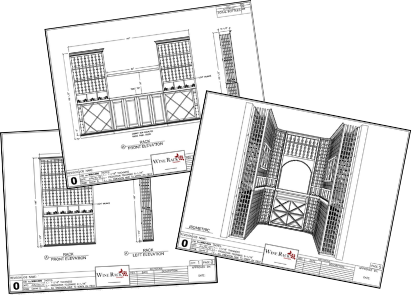
*Pictures are renderings. Actual wine racks may look different
A convenient wine rack isn't enough if the spot is too warm or exposed to light. For longer rest, store bottles on their sides in a cool, dark place at about 55°F (13°C), and keep them away from windows, ovens, dishwashers, and other sources of heat. Successful integrating wine storage into kitchen design starts with choosing a layout that makes bottles accessible without placing them in an unsuitable environment.
It makes sense to want wine close at hand while cooking or setting the table. The key is matching storage to your collection and how you plan to use it: a small rack may suit bottles for near-term use, while longer-term storage calls for a more protected location with stable conditions.
This guide compares kitchen storage options, including island-end racks, pantry columns, under-counter storage, and dedicated cooling. You'll learn how to plan capacity, protect bottles from heat and light, and balance convenient access with the conditions wine needs for longer-term storage.
Key Takeaways
- Plan storage with 20-30% more capacity than your current collection needs, and leave room for oversized bottles if they're part of it.
- Compare island-end racks, pantry columns, and under-counter cubbies by capacity, available space, and how often you reach for each bottle.
- Choose a dedicated cooler or a suitable passive-storage location based on whether bottles are for longer rest or near-term serving.
- Glass doors can help showcase a collection, while insulated, UV-protected glass helps limit exposure to light and temperature fluctuations.
- Consider temperature stability, humidity, light, and vibration together when planning a space for wine you intend to keep.
Table of Contents
1. How should I store wine at home?
Store bottles on their sides in a cool, dark place, away from heat and direct sunlight. An interior closet, pantry, or dedicated wine fridge can work; a shelf beside the stove cannot provide a suitable environment. For wine intended to rest longer, aim for about 55°F (13°C). That target helps distinguish a storage zone from a convenient display near the counter.
Start your layout by estimating the collection you want to keep. A casual cook might plan for 12-18 bottles, while a budding collector may need space for 72 or more. Add 20-30% capacity beyond current needs, so new bottles don't immediately crowd the display. Include bays for magnums or unusually shaped bottles if they're part of your collection. A shallow, label-forward panel can be 10-12 inches deep.
Built-in wine racks and wine cube storage make use of cabinetry, but placement matters as much as appearance. Keep passive storage away from exterior walls, windows, ovens, dishwashers, and other heat-producing appliances. For a built-in wine refrigerator, choose a front-vented unit and plan for its door swing. These details preserve access without exposing bottles to heat or obstructing kitchen work paths.
Under-counter racks keep bottles close to meal preparation, while wall wine racks use vertical space. A floating wall-mounted rack can create a compact display above a counter, provided it is away from direct sun and heat. Peg racks support bottles horizontally by the neck and base. Traditional racks offer a familiar grid, while cable racks create a lighter visual effect. Choose finishes that complement your cabinetry without placing wine in a warm, bright spot.
In a small kitchen, consider a wall-mounted rack, a narrow label-forward panel, or a few under-counter cubbies. A wine cube can fit into an existing cabinet layout, while a dedicated refrigerator separates chilled bottles from passive storage. Place a built-in wine refrigerator or rack in an interior cabinet or pantry zone, away from windows, ovens, dishwashers, and exterior walls. Leave room for the refrigerator door to open, and keep bottles out of direct sunlight.
As a practical first step, sort bottles by how soon you plan to serve them, then assign accessible storage to those used most often. Keep longer-rest bottles in the coolest, darkest suitable location. A measured plan can help align capacity, cabinetry, and finishes before installation; plan a kitchen wine-storage layout around your available space and collection.
2. Wine racks built into an island-end base cabinet
An island-end cabinet can turn an unused panel into a practical wine-storage zone. A horizontal rack keeps bottles within reach of the dining side, while closed cabinetry can reduce visual clutter near the kitchen's main work area. Place the rack away from the island cooktop, dishwasher, and direct sunlight. This is especially important for passive storage, which has no cooling system to offset heat from nearby appliances.
Built-in racks and wine refrigerators serve different purposes. A rack supports bottles in a cabinet opening but does not actively control temperature. A refrigerator chills wine, so its position, ventilation, and door swing affect the cabinetry layout. An under-counter model sits below the work surface; a freestanding refrigerator stands independently and needs the clearance specified for its design. A built-in model is intended to sit within cabinetry, with front ventilation.
For an island, choose the refrigerator's position before finalizing cabinet panels and adjacent drawers. Map the door's full swing, handle projection, and the route between the island and nearby counters. A door that opens into a stool or blocks a drawer makes bottles less convenient to reach. Check the unit's ventilation direction, too. Built-in wine refrigerators should be front-vented, and the cabinet plan should account for the required door-swing clearance.
Keep a cabinet rack away from exterior walls, windows, ovens, and dishwashers, where bottles may be exposed to sunlight or appliance heat. A shaded island end or interior cabinet run may work better for passive storage. If the plan includes a wine refrigerator, its cooling system and cabinet position need to work together, rather than trapping heat behind finished panels.
Permit requirements vary with local rules and the scope of the kitchen project, including whether it changes electrical work or cabinetry. Placing a refrigerator in an existing suitable opening differs from altering the room. For homeowners undertaking broader residential renovations, partnering with a specialist building firm such as Powerpillar Ltd can help ensure planned structural and electrical work meets all applicable standards.
Cabinet finishes can make a rack feel intentional rather than like a later addition. Match the island's wood tone, door profile, or hardware, then decide whether bottles should be visible or visually understated. If you are coordinating or upgrading the surrounding storage, suppliers like DIY Depot offer popular options such as shaker cabinetry that can seamlessly tie the kitchen woodwork together. A glass-fronted refrigerator creates a display; a solid panel can blend with surrounding cabinetry. If the island has contrasting finishes, repeat one material or detail on the wine-storage section to connect it to the kitchen's visual layout.
For a custom island plan, align the rack or refrigerator opening with the cabinetry drawings before fabrication. A kitchen wine-storage design can help coordinate bottle access, appliance placement, ventilation, and finishes without adding avoidable clutter.
3. Tall pantry columns versus under-counter cubbies
A tall pantry column suits a collection that needs a dedicated, organized home. A 24-inch-wide column can hold about 40-80 standard bottles, depending on its interior. Slimmer columns measuring 15-18 inches wide can make use of narrow kitchen spaces. Choose vertical storage when you want bottles grouped in one place, rather than scattered across several cabinets. A pantry layout can also reserve a hero shelf for three to five special bottles, keeping favorites visible without displaying the entire collection.
Under-counter cubbies suit smaller collections and kitchens where floor-to-ceiling cabinetry isn't practical. They often hold 6-18 bottles, while an under-counter grid wine rack can fit 12-24. The difference comes down to the rack's configuration and available cabinet space. Cubbies keep bottles close to the dining or prep area, making them easy to reach during entertaining. A tall column prioritizes consolidated capacity; cubbies prioritize convenient access in a compact footprint.
An under-counter wine refrigerator can preserve counter space by moving chilled bottles below the work surface. This separates wine from countertop appliances and leaves more room for meal preparation. Plan its position around how you use the kitchen: a unit near the dining area makes serving convenient, while one beside the main prep zone keeps bottles accessible during cooking. Choose a location that does not interfere with drawers, cabinet doors, or the path between the island and dining table.
Countertop wine storage cubes are another option when cabinetry is limited. A cube can hold a small selection in a defined spot, such as a dining-side counter used for serving. Unlike a built-in column, it occupies visible counter space, so consider its footprint alongside everyday items like a coffee maker or fruit bowl. Keep the display edited: a few bottles for near-term entertaining can look intentional, while a crowded counter may feel cluttered.
To choose a layout, compare your collection with the available space, then decide whether capacity or immediate access matters more. For example, a compact kitchen with a growing collection may suit a slim pantry column, while a home that keeps only bottles for serving may work better with under-counter cubbies. If display is part of the design, combine closed storage with a small open shelf rather than exposing every bottle. This balance can elevate the room while keeping counters usable and the layout composed.
4. What is the best temperature for wine storage?
For wine kept for longer rest, aim for about 55°F (13°C) and keep the temperature stable. Wine intended for service or short-term storage is typically kept between 45 and 65°F (7 and 18°C). These ranges serve different purposes: storage supports bottles over time, while serving temperatures prepare them for drinking. A kitchen display should therefore balance visibility with protection from heat and changing conditions.
Serving temperature also varies by wine. Red wines taste best at 60 to 65 degrees Fahrenheit, while white wines taste best at 45 to 50 degrees Fahrenheit. A dedicated wine cooler can help keep bottles ready for serving, but it shouldn't be treated as a substitute for a stable long-term storage environment. Consider which bottles you'll reach for soon, then give them accessible positions without exposing the rest of the collection to kitchen heat.
Glass doors make wine racks and bottles part of the kitchen's visual design, but sunlight and temperature changes still matter. A glass-enclosed wine wall can use insulated, UV-protected glass to help shield wine from light exposure and temperature fluctuations. Choose the enclosure based on its placement: a bright wall with direct sun needs more protection than a shaded interior location. Glass should support the display, not lead you to place bottles in sunlight.
Plan lighting with both labels and storage conditions in mind. A softly illuminated display can make labels easier to read and create a focal point, but avoid direct sunlight. Position lighting to highlight bottles without making the wine area a warm, constantly lit feature. If the enclosure is near a window, orient the display away from direct rays or choose a more protected location. Stable temperatures remain important, even when the visual design takes center stage.
Wine glass storage should fit the kitchen layout without taking over bottle space. Store stemware in a separate cabinet or glass rack near the serving area, so glasses are easy to reach without crowding wine racks. For example, a cabinet beside an under-counter cooler keeps glasses close to chilled white wine and the dining route. A glass-front cabinet can display stemware, while a closed cabinet keeps the wine display focused on bottles and labels.
Before installing glass doors or a full enclosure, decide whether your priority is bottle display, light control, or serving access. An all-glass wine enclosure makes the collection visible, while insulated, UV-protected glazing helps address light and temperature exposure. For a smaller display, a glass-fronted cabinet can frame a curated selection. Pair the enclosure with stable temperature control, and use serving zones for bottles intended to be opened soon.
5. Temperature, humidity, light, and vibration control
Good wine storage depends on four conditions working together: stable temperature, moderate humidity, limited light, and minimal vibration. For longer rest, aim for about 55°F (13°C), with as little temperature fluctuation as possible. Relative humidity around 60-70% is recommended to help natural corks. These targets make a difference when a kitchen display becomes a long-term storage space rather than a place for bottles opened soon.
Heat and wide temperature swings can harm wine, so location matters as much as appearance. Keep storage away from ovens, dishwashers, windows, and direct sunlight. Even a beautiful interior column may be unsuitable if it is beside a heat-producing appliance. For a dedicated wine room within a kitchen, insulation and a vapor barrier help maintain conditions and prevent moisture problems. An airtight, well-insulated door helps limit air leaks and temperature changes.
Light affects where open shelves and glass doors make sense. Avoid direct sunlight, and consider how nearby windows illuminate the bottles throughout the day. Insulated, UV-protected glass can help shield a glass-enclosed wine wall from light exposure and temperature fluctuations. For an illuminated display, position the lighting to show labels without exposing bottles to direct sun. The goal is a functional feature that complements the kitchen while protecting the collection.
Vibration deserves attention in a kitchen, where appliances and everyday movement can disturb stored bottles. Avoid placing bottles intended for longer-term storage beside vibrating equipment or on shelves that receive repeated knocks. A dedicated, isolated wine-storage space separates bottles from kitchen activity. Depending on your collection and layout, this could be a wine room or a protected cabinet column.
Cooling also needs to match the enclosure. Wine cellar cooling units can be self-contained or split systems, selected according to the cellar's size. A dedicated wine room is designed to provide consistent temperature and humidity for aging and preservation. In a kitchen cellar, the vapor barrier, insulated door, and cooling system work as parts of one plan. A display-only rack doesn't create those controlled conditions by itself.
Before finalizing shelves or glass, decide whether the space will hold bottles briefly or support longer-term storage. That choice guides the need for cooling, an enclosure, and protection from heat and vibration. For a kitchen wine cellar, plan the interior materials and cooling around stable conditions, then shape the display to suit the room.
Wine Rack Concepts
Wine Rack Concepts, LLC brings kitchen wine-storage plans together with wine racks, wine cellar cooling, and custom wine cellars. Turn to the team when your layout needs to balance accessible bottle storage with a dedicated, temperature-controlled space. For a kitchen with limited wall or cabinet area, the Wall Wine Rack Series can make storage part of the room's design; a larger collection may call for a custom cellar and cooling plan. The right approach depends on your collection, available space, and whether bottles are for display, serving, or longer-term storage. Request a free custom design from Wine Rack Concepts, LLC to plan wine storage for your kitchen.
Shape a Kitchen That Grows With Your Collection
Your kitchen can reflect how you enjoy wine today while leaving room for your collection to evolve. Thoughtful integrating wine storage into kitchen design makes storage feel intentional, rather than an afterthought competing with daily routines. Consider how the space should serve you over time: as a quiet display, a convenient place to choose a bottle, or a feature that gives the room a distinctive focal point.
As you plan, think beyond the cabinet opening. The relationship between the wine area, dining space, lighting, and surrounding finishes will shape how naturally it fits into your home. A well-considered design can support everyday use and make room for the personal character that comes from collecting and sharing wine.
Your kitchen can become a welcoming setting for both your collection and the moments shared around it.
Frequently Asked Questions
How should I store wine at home?
Organize bottles by when you expect to open them, so everyday choices stay easy to reach. Keep bottles intended for longer rest in the most stable, protected part of your home, rather than beside appliances used throughout the day. A simple shelf plan can separate bottles for upcoming meals from special selections. This makes storage easier to use without repeatedly moving bottles around.
What are the best ways to integrate wine storage into a kitchen design?
Choose a layout that suits your collection and the kitchen's traffic. An island-end rack keeps bottles accessible from the dining side, while a pantry column groups them in a dedicated area. For a compact plan, under-counter cubbies can keep counters clear. Align the storage opening with cabinet lines and nearby finishes so it feels intentional rather than added on.
What temperatures and humidity levels should wine storage maintain?
For wine intended for longer rest, aim for about 55°F, with stable conditions. Relative humidity around 60-70% is recommended to help natural corks. Avoid placing the storage zone where daily kitchen activity causes frequent temperature changes. For a dedicated cellar, cooling, insulation, and the enclosure work together to support consistent conditions; a rack alone doesn't regulate temperature or humidity.
How do kitchen lighting, heat, and vibration affect wine storage?
Direct sunlight and heat can expose bottles to damaging conditions, while vibration can disturb stored wine. Avoid placing bottles intended for longer-term storage near ovens, dishwashers, sunny windows, or vibrating equipment. For a glass-fronted display, choose a location away from direct sun and consider insulated, UV-protected glass. Keep display lighting from shining directly onto bottles for extended periods.
What electrical, cabinetry, and installation requirements apply to a kitchen wine refrigerator?
Plan the opening around the selected refrigerator's dimensions, electrical requirements, front ventilation, and door swing. The cabinet design must leave the ventilation path unobstructed and allow the door to open without hitting an island, drawer, or nearby wall. Electrical and permit requirements depend on the installation scope and applicable local rules. Coordinate appliance placement with cabinetry and electrical planning before construction begins.
Have an expert help today!
Free 2D wine cellar design