How to Organize Your Wine Collection for Safe, Long-Term Aging

*Pictures are renderings. Actual wine racks may look different
A bottle's age is only part of the story. Most wines are best enjoyed within 3-5 years of their vintage, while full-bodied reds such as Cabernet Sauvignon, Syrah, and Bordeaux can age for 10-20 years. Learning how to organize a wine collection for aging means matching each bottle's potential to steady storage conditions and a clear plan for when to open it.
It makes sense to focus on the wine itself, but the space around each bottle matters too. Temperature swings, light, vibration, and limited security can affect how well a collection is protected over time. This guide explains how wine type shapes aging potential and how to arrange bottles so the right ones are easy to find and access. You'll also learn why stable conditions, darkness, and thoughtful storage design support long-term aging, and when dedicated wine cellar cooling may help. The goal is a collection that's easier to manage, protected from avoidable risks, and ready to enjoy at its best.
Key Takeaways
- Match each bottle's storage plan to its style and aging potential, rather than assuming every wine improves with time.
- Aim for steady storage conditions; most wines are recommended for storage at 55-58 °F.
- Keep corked bottles horizontal and maintain about 70% humidity to help prevent corks from drying out.
- Choose a dark, low-vibration storage area to reduce exposure to conditions that can affect wine as it ages.
- Consider how cellar climate control and organized bottle storage can support a collection intended to mature over time.
Table of Contents
Humidity and cork condition
Humidity affects the seal on a corked bottle. Aim for about 70% humidity in wine storage: enough moisture helps prevent natural corks from drying, cracking, or shrinking. A compromised cork can let oxygen seep into the bottle, gradually changing the wine. That risk matters most for bottles intended to remain undisturbed for extended aging.
Light, vibration, and temperature fluctuations can all interfere with aging. Sunlight and other strong light exposure can harm wine, while repeated movement can disturb sediment. Temperature swings can make wine expand and contract, potentially drawing oxygen through the closure.
Store cork-sealed bottles horizontally so the wine stays in contact with the cork. This helps keep the cork from drying out and shrinking. Screw-cap bottles don't require horizontal storage, so position them to suit the rack layout. Keep rows stable and avoid repeatedly shifting aging bottles to reach others.
Monitor humidity alongside temperature and light. A hygrometer tracks humidity, while a thermometer helps reveal temperature changes. Check both periodically and note whether the room becomes warmer or drier during seasonal shifts. If readings change, consider possible causes, such as a nearby heat source or frequent door opening.
Common mistakes include storing corked bottles upright in dry conditions, placing wine beside an oven or sunny window, and moving bottles often. These choices can dry corks, expose wine to heat or light, and disturb sediment. A dark, stable location away from heat sources helps avoid these preventable risks.
- Keep corked bottles horizontal; screw-cap bottles can be stored in either position.
- Keep wine away from windows, ovens, and other heat sources.
- Reduce unnecessary movement, especially for bottles with sediment.
- Monitor humidity and temperature so changes in the storage area are easier to spot.
Temperature control supports the cork's role in protecting the wine. Most wines are recommended for storage at 55-58 °F, while wine ages more rapidly at 70 °F and warmer, often with less complexity. A steady environment matters more than a convenient spot that warms and cools repeatedly. For a collection organized for aging, group bottles by closure and planned opening period, then place long-term cork-sealed bottles where they can remain horizontal and undisturbed.
How Long Should I Keep Wine in Storage?
Storage time depends on the wine's capacity to develop and the conditions around it. Most wines are recommended for storage at 55-58 °F, while about 55 °F facilitates aging. Choose a stable location rather than one that warms and cools with daily household routines. Temperature stability helps wine mature gradually and retain its aromas and flavors. Near a kitchen, window, or oven, repeated temperature changes can shorten a bottle's storage life.
Temperature swings can cause wine to expand and contract, potentially drawing oxygen into the bottle. At 70 °F and warmer, wine ages faster, but the result can be less complex. A cool setting alone isn't enough if the temperature changes sharply. Keep bottles away from heat sources and monitor the storage area over time, especially through seasonal changes.
For long-term aging, store corked bottles horizontally so the cork remains in contact with wine. Screw-cap bottles don't require a horizontal position, so arrange them to suit the rack and make labels easy to read. Avoid unnecessary movement, since vibration and frequent handling can disturb sediment in maturing bottles.
Opened wine has a different purpose from bottles set aside for aging. Reseal opened bottles and keep them separate from the long-term collection so they aren't mistaken for untouched bottles. For aging wines, group bottles by varietal or region, then arrange vintages by expected drinking window. For example, keep bottles intended for earlier enjoyment near the front and longer-term bottles behind them.
Labels and inventory apps make these groupings more useful. Record the wine name, varietal, region, vintage, storage location, and intended drinking window. Note when a bottle is moved or opened. A location such as "left wall, upper row" is more useful than a general note such as "cellar." When bottles have similar labels, add a shelf tag or neck label that stays visible without moving them.
- Separate opened bottles from sealed bottles reserved for aging.
- Use one consistent order: varietal or region, vintage, then drinking window.
- Keep inventory notes aligned with the physical rack location.
To organize a wine collection for aging, make the inventory match the storage layout. If you're planning a dedicated cellar, wine cellar design planning can help align bottle capacity and arrangement with the collection's needs.
Protecting wine from light
Choose a dark storage location for bottles intended to age. A cellar, cabinet, or wine fridge can limit harmful light exposure. A sunny spot beside a window is a poor choice, even if the room feels cool. An open kitchen shelf may receive daylight whenever the curtains are open. Consider how light reaches the bottle throughout the day, not just when you inspect the room.
Separate display bottles from those intended for long-term storage. A small display makes labels and bottle shapes visible, while a darker cabinet holds wines reserved for later. If your collection shares one room, put aging bottles in the least exposed area, away from windows and frequently used lighting. This protects the bottles without making the collection difficult to access.
Plan lighting before arranging the racks. Place switches where you can turn lights off when leaving the cellar or storage area. For routine selection, read shelf labels or use an inventory list instead of leaving bright lights on for extended periods. Retrieve a bottle briefly when you need to identify it, then return it to its dark storage position.
Light protection also shapes how you arrange rows. Put bottles you expect to open sooner in an accessible position, then keep long-term bottles deeper in a cabinet or another dark section. Where possible, keep labels readable from the aisle, so finding a vintage doesn't mean moving several bottles. A shelf marker can identify a region or drinking window without exposing every bottle for inspection.
- Move bottles away from sunny windows and other bright areas.
- Use a cellar, cabinet, or wine fridge for bottles set aside to age.
- Keep display bottles separate from bottles reserved for long-term storage.
- Turn off storage-area lights after selecting a bottle.
Review light exposure during regular inventory checks. For example, note whether morning sun reaches a rack near an east-facing window or a frequently used room light shines directly on exposed bottles. Move vulnerable bottles to a darker position instead of relying on occasional shade from curtains. If the layout changes, update each bottle's inventory location so it remains easy to find.
Dark storage is especially useful for bottles meant to mature over time. A cabinet or cellar helps provide a consistent, protective environment, while clear organization reduces the need to handle bottles just to read their labels. Make the storage location part of your aging plan: keep long-term bottles dark, easy to locate using your records, and separate from display areas.
Typical aging times for red and white wines
Wine type offers a starting point for estimating a drinking window, but color alone doesn't determine aging potential. Tannin, acidity, fruit, and overall structure matter. Fuller wines with more tannin, acidity, and fruit generally have greater capacity to age than lighter styles. Use the producer, vintage, and style as clues, then organize bottles by when you plan to open them.
Full-bodied reds such as Cabernet Sauvignon, Syrah, and Bordeaux can age for 10-20 years. That longer window doesn't apply to every red. Everyday red wines are generally best consumed in the first 1 to 3 years, while mid-priced reds can generally keep for 3-5 years after release. Higher-quality reds can generally last 5-8 years. These ranges show why a broad "red wine" category isn't enough for planning.
Most white wines and lighter reds are recommended for drinking within 1-3 years of purchase. Everyday white wines are generally best consumed within one to three years after release. Sweet wines can develop complexity and depth with age, so consider their style instead of assuming all whites belong in an early-drinking group. High acidity can support freshness as wine matures; tannin without enough acidity may not preserve that fresh impression.
- Everyday white: Plan to drink within one to three years after release.
- Everyday red: Plan to drink in the first 1 to 3 years.
- Mid-priced red: A general window is 3-5 years after release.
- Higher-quality red: A general window is 5-8 years.
- Full-bodied Cabernet Sauvignon, Syrah, or Bordeaux: Some can age for 10-20 years.
Build your rack around drinking windows rather than sorting only by color. Give each bottle a location tied to its varietal or region, vintage, and planned opening period. Keep bottles approaching their intended window easy to reach, while wines reserved for longer aging stay in a clearly labeled section. An inventory record noting the vintage and drinking window helps you compare similar bottles over time.
These windows are guides, not a reason to hold every bottle until the latest possible date. Wine can lose appealing fruit or freshness if kept beyond its useful window, while a structured wine may benefit from more time. A practical plan balances enjoyment with aging potential: identify which bottles are ready sooner, which have room to develop, and which are best enjoyed without extended storage. Tasting notes from earlier bottles can help refine your choices.
Wine cellar security and climate control
Aging wine requires a storage space that protects both its environment and its contents. Climate control supports a stable cellar, while thoughtful security helps limit unnecessary access and handling. These protections work together: an organized inventory is less useful if bottles face repeated temperature changes or are difficult to safeguard.
Start by assessing the room's exposure to heat. A cellar beside a kitchen, garage, or sun-warmed exterior wall may experience changing conditions as nearby spaces heat up and cool down. Note when the room feels warmer and use a thermometer to track its temperature over time. A record can reveal recurring patterns that a single reading might miss.
Wine cellar cooling can help maintain a controlled storage environment, particularly when a room cannot stay consistently cool on its own. The right system depends on the cellar's layout, surrounding conditions, and storage needs. Keep the cooling system's air path unobstructed, and don't place boxes or bottles where they block airflow. A crowded corner can undermine circulation through the space.
Security begins with controlling access to the collection. If a cellar is part of a shared household or commercial space, secure its entrance and establish who may handle bottles. An inventory can record each wine's location, vintage, and bottle count. After removing a bottle, update the record promptly. This makes discrepancies easier to spot and reduces repeated searching through aging rows.
Arrange racks so frequently selected bottles are easy to reach without disturbing long-term storage. Keep an aisle clear, group bottles by location, and use shelf labels that match the inventory. For example, "north wall, lower rack" gives someone a precise place to look. Fewer unnecessary movements help keep the cellar orderly and reduce handling of bottles set aside for aging.
- Track cellar conditions in a written log or digital record.
- Keep cooling airflow clear of stored cases and other obstructions.
- Limit cellar access to people who understand the bottle layout.
- Update the inventory whenever a bottle enters or leaves storage.
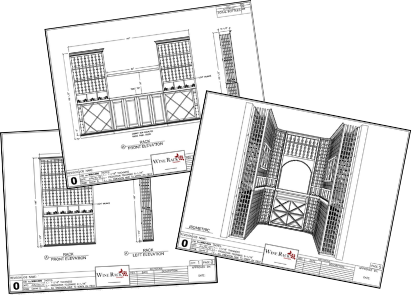
A custom wine cellar can bring rack placement, circulation, and access planning together in one design. Consider the cellar's dimensions, heat exposure, and collection layout as a whole, rather than treating cooling and storage as separate decisions. This helps create a space where bottles stay organized and the climate system can serve the room effectively.
Wine Rack Concepts: Wine Cellar Cooling
Wine Rack Concepts, LLC offers Wine Cellar Cooling for collections that need a controlled storage environment. It can be useful when household conditions fluctuate or a growing collection calls for a planned cellar. Pairing cooling with a Custom Wine Cellar lets the storage layout and climate approach work together, with bottle capacity and access shaping the design. For a smaller or evolving collection, the Wall Wine Rack Series or Classic Series can create an organized storage arrangement. The right solution depends on the room and collection. Contact Wine Rack Concepts, LLC to discuss your wine storage plans.
Build a Storage Plan That Grows With Your Collection
Let the next bottle guide your next decision. Before adding more wine, consider how your collection may change, which bottles you want easiest to reach, and whether your current space still suits your plans. This forward-looking approach makes organizing a wine collection for aging a practical part of collecting, not just a one-time sorting task.
When your storage needs call for a tailored setup, Wine Rack Concepts, LLC offers Wine Racks, Wine Cellar Cooling, and Custom Wine Cellar solutions. Together, these can bring bottle organization and the storage environment in line with your collection.
A considered space gives every bottle a place and lets your collection evolve. Start with storage that suits you now, then shape the next step with confidence.
Frequently Asked Questions
How Long Can I Store My Wine?
Storage time depends on the wine's style and structure. Most wines are best enjoyed within 3-5 years of their vintage, while full-bodied reds such as Cabernet Sauvignon, Syrah, and Bordeaux can age for 10-20 years. Use the expected drinking window to guide where bottles sit in your collection. Keep those nearing their window easier to reach, and record the vintage and planned opening period for each bottle.
Should all wines be aged?
No. Most wines are intended for drinking without extended aging, and time in storage doesn't automatically improve a bottle. Lighter reds and many everyday whites are generally best enjoyed within a few years. Aging is more suitable for wines with structure that can develop over time. If you're unsure about a bottle's potential, plan to enjoy it sooner rather than assuming extra years will make it better.
What If I Don't Have a Cellar?
A cellar isn't essential for shorter-term storage. Choose a dark, quiet part of your home, such as an interior cabinet, away from windows, ovens, and other heat sources. An improvised storage area is generally better suited to aging wine for no more than a few years. To assess how it performs, store 5-10 bottles of the same vintage and taste one at the end of each year.
What does "aging wine" mean?
Aging wine means storing a bottle over time so its character can evolve before you open it. Changes may include greater complexity and depth, particularly in wines suited to maturation. Aging doesn't mean keeping every bottle as long as possible: some wines are made for earlier enjoyment and may lose appeal if held too long. A drinking window helps distinguish bottles to set aside from those to enjoy soon.
What helps wine age?
Wine benefits from a stable, cool environment, limited light exposure, suitable humidity, and minimal vibration. These conditions help protect the bottle and its closure as it matures. For example, a rack beside an oven combines heat exposure with temperature changes, making it a poor aging location. Store aging bottles in a dark area where they can remain undisturbed, and record their locations and intended drinking windows.
What temperature and humidity are best for aging wine?
Most wines are recommended for storage at 55-58 °F, and about 70% humidity helps keep corks from drying. Stability matters: temperature changes can make wine expand and contract, potentially drawing oxygen into the bottle. A thermometer and hygrometer can help you monitor the storage area. For instance, record readings during seasonal changes to spot recurring shifts instead of relying on a single measurement.
How should wine bottles be positioned for long-term storage?
Store cork-sealed bottles horizontally so the wine remains in contact with the cork. This helps keep the cork from drying and shrinking during storage. Screw-cap bottles don't need to lie on their sides, so position them to suit the rack and keep labels easy to identify. Avoid repeatedly moving bottles, especially if sediment has formed, and arrange the rack so you can retrieve one bottle without shifting others.
Which wines benefit from aging, and how long should different wines age?
Wines with fuller structure, including tannin, acidity, and fruit, generally have greater aging potential. Full-bodied Cabernet Sauvignon, Syrah, and Bordeaux can age for 10-20 years. Everyday whites are generally best within one to three years after release; everyday reds, within 1 to 3 years. Mid-priced reds may keep for 3-5 years after release, while higher-quality reds can last 5-8 years. Sweet wines can also gain complexity with age.
Have an expert help today!
Free 2D wine cellar design