How to Clean Metal Wine Racks: A Safe, Step-by-Step Guide

*Pictures are renderings. Actual wine racks may look different
The cleaner that seems safest for a metal wine rack isn't always safe for its finish. Some finished steel racks have maker-specific care instructions, so don't assume dish soap or a household spray is suitable. If you're wondering how to clean metal wine racks without harming the surface or leaving moisture and residue near your bottles, first identify the rack's material and finish.
A reliable routine is simple: check the care instructions, remove the bottles, dust with a soft cloth, and use only a cleaner approved for the finish. Dry the rack fully before returning bottles. This guide explains how to choose tools and products, clean hard-to-reach areas, and recognize when a persistent mark may need the rack maker's advice instead of more scrubbing. Careful maintenance helps preserve the rack's appearance and makes it easier to spot damage early.
Key Takeaways
- Before deciding how to clean metal wine racks, identify the material and finish, then check the maker's care guidance.
- Use a careful sequence: empty the rack, remove loose dust, clean with a finish-approved product, and dry it fully.
- Choose soft, non-abrasive tools. Don't assume one cleaner is suitable for every metal or coating.
- Check whether a persistent mark is surface dirt, possible rust, chipped coating, or structural damage before treating it.
- Let visible dust, spills, and room use guide inspections. Consider whether the rack is easy to reach for routine care.
Before You Clean Metal Wine Racks, Identify the Material and Finish
The safest way to approach how to clean metal wine racks is to identify what you're cleaning before choosing a product. The base metal, coating, and manufacturer's care instructions all matter. A method suitable for one finish may dull or damage another, even if two racks look similar.
Check product documentation, labels, or the maker's website for care instructions tied to your exact rack. If the material or finish is unclear, contact the rack maker before applying a cleaner. This is particularly important for coated surfaces or if the rack has specific care conditions. When comparing metal wine rack options, consider the finish as well as where the rack will sit and how easily you can reach it for inspection and cleaning.
For context, wrought iron has distinct material properties and can be vulnerable to rust if its protective finish is compromised. Knowing whether a mark is ordinary surface dirt or a sign of damage can help you avoid treating it with the wrong product.
For a visual overview of wine-rack cleaning, this video may help:
How to identify a metal wine rack finish before cleaning
Look for care instructions for the exact rack, not just general advice for metal. A recommendation for stainless steel, for example, may not apply to a painted or powder-coated surface. If the documentation is missing, ask the manufacturer which cloth and cleaner are appropriate. Test a mild, compatible method on a discreet spot only when the maker's guidance allows it. Check that the color, sheen, and texture remain unchanged before cleaning the rest of the rack.
What to remove and protect before starting
Remove the bottles carefully and place them somewhere stable, away from the cleaning area. Clear nearby surfaces and protect the floor from drips or loosened dust. Before wiping, inspect joints, supports, and bottle-contact points. Dry dust and fingerprints are usually surface soil; sticky residue may need a finish-approved cleaner. Persistent discoloration, flaking, or reddish-brown marks could indicate corrosion or finish damage. Pause rather than scrubbing these areas, and ask the maker before using stronger products or tools.
How to Clean Metal Wine Racks: A Gentle Step-by-Step Method
Once you've confirmed the care instructions for your rack's material and finish, keep the process controlled and use as little moisture as practical. A clean microfiber cloth can lift dust without the abrasion of a rough pad. If dusting does not remove a mark, use a cleaner approved for the finish. Apply it to the cloth rather than spraying the rack, where it could reach bottles or collect in joints.
Safe sequence: empty the rack, dust it, wipe gently with an approved cleaner, remove residue as directed, and dry every accessible surface before replacing bottles.
- Empty the rack. Set bottles somewhere stable and away from the cleaning area. This gives you access to bottle-contact points and keeps cleaner and loosened dust away from the wine.
- Dust first. Use a clean, dry microfiber cloth to lift loose dust. Removing particles before damp wiping helps reduce the chance of dragging grit across the finish.
- Wipe gently. If the maker's instructions allow a cleaner, apply it to the cloth rather than spraying the rack. Wipe accessible rails, corners, joints, and bottle-contact areas without pressing hard.
- Remove residue. Follow the product label and rack-maker directions. If they permit rinsing, use a separate cloth lightly dampened with clean water. Don't leave cleaner behind, and don't apply water if the care instructions advise against it.
- Dry fully. Use a clean, dry cloth on all reachable surfaces, including crevices and supports. Let the rack finish drying before returning bottles.
Keep moisture brief. A saturated cloth or water left sitting in joints can create avoidable concerns, especially if the finish is damaged or the rack's care guidance calls for dry cleaning. If a mark persists, don't compensate with forceful scrubbing, a stiff brush, or an abrasive pad. Stop and check the maker's advice before trying a different cleaner or tool.
Dusting, residue removal, and drying details
Use light strokes and turn the cloth to a clean section as it picks up dust or grime. The American Cleaning Institute offers stainless-steel cleaning advice, but a wine rack's finish may have different requirements. Follow the rack maker's guidance first. Check less visible areas as you work, then dry them carefully so moisture or residue is not left behind.
If you're planning storage and want to consider how rack layout affects access for routine care, you can discuss your needs through a free design consultation.
Which Cleaning Tools and Products Are Safe for Metal Wine Racks?
The simplest tools are often the safest: a clean microfiber cloth for dust and light marks, plus a cleaner specifically approved for your rack's finish if more cleaning is needed. No product is suitable for every rack. A method intended for stainless steel may not be appropriate for a painted or powder-coated surface, so check both the rack maker's guidance and the cleaner label before use.
For broader context on how material choices affect care, review metal wine rack options. Designs and finishes can vary, so let the instructions for your particular rack guide your choice of tools and products.
Which cloths and brushes should you use?
Begin with a clean, soft, non-abrasive cloth. Microfiber can lift dust and wipe accessible surfaces without the rough texture of a scouring pad. If the rack's shape makes a cloth impractical, use a soft brush only when the maker's guidance permits it. Choose one that won't snag on joints or leave bristles near the bottle storage area.
Avoid steel wool, abrasive pads, stiff brushes, and forceful scrubbing. They can scratch or dull finishes, and pressure may worsen a small chip or exposed area. If a soft cloth doesn't remove a mark, stop and identify an approved next step instead of reaching for a harsher tool.
Which cleaners should you avoid or verify first?
Don't assume bleach, ammonia, solvents, vinegar, or metal polish is safe for your rack. A product may suit a particular metal or finish without being appropriate for another. Check the manufacturer guidance and product label. If the finish is unknown or the instructions don't address the cleaner, ask the rack maker before applying it.
For stainless steel care, the American Cleaning Institute provides advice about cleaning appliances and avoiding damaging abrasives. Treat that as material-specific guidance, not a substitute for the rack instructions. If you decide to test an approved cleaner, apply a small amount to a discreet spot and check for a change in sheen, color, or texture before continuing.
Keep products away from bottles. Put cleaner on the cloth rather than spraying it near the rack, and don't mix cleaning products. Follow directions for removing residue. Use clean water only if the rack guidance allows it, then dry the surface before returning bottles. This cautious approach to how to clean metal wine racks helps limit finish damage and keeps cleaning residue away from your collection.
How to Handle Stains, Rust, and Hard-to-Reach Areas
A mark that remains after gentle cleaning may be more than ordinary dirt. Sticky residue may lift with a finish-approved cleaner, but reddish-brown discoloration, bubbling or flaking coating, and exposed metal could signal corrosion or finish damage. Don't try to remove a stubborn mark by scrubbing harder. That can damage more of the finish and make the underlying issue harder to assess.
If you're unsure whether a mark is corrosion or finish damage, stop and ask the rack maker for guidance before treating it.
What to do about rust or finish damage
Don't scrape, sand, or apply rust-removal chemicals unless the maker provides instructions for your specific material and finish. A treatment that works on one metal may harm another rack's protective coating or nearby surfaces. If gentle cleaning leaves the mark unchanged, note where it appears and whether it is spreading. Then ask the rack maker how to assess it and what care is appropriate.
Stop cleaning if you find flaking, sharp edges, loose joints, or damage that worsens as you wipe. These signs may affect more than appearance. Avoid placing bottles against a damaged area until you understand whether the rack remains suitable for use, and don't attempt a repair without rack-specific guidance.
How to clean fixed racks and tight spaces
For a fixed rack, work in small areas with a soft cloth or a soft brush if the maker allows one. Keep liquid on the cloth rather than spraying the rack, and use only enough to address the mark. Don't force a brush or cloth between components where it could snag, disturb a connection, or push residue into a narrow gap.
Protect nearby bottles, walls, and flooring from drips. Take particular care around electrical equipment and other cellar components. Don't let cleaner or water run behind the rack or pool at its base. If a surface is difficult to reach safely, pause rather than pouring or spraying cleaner into the gap. Follow the product label and rack guidance for removing residue, then dry accessible areas thoroughly.
In an integrated storage space, access around the rack can affect how practical routine care is. Reviewing custom wine cellar design can help you consider rack placement and cleaning access as part of the overall layout. These checks make how to clean metal wine racks more straightforward and help you recognize when a mark calls for maker guidance rather than stronger treatment.
Keep Metal Wine Racks Clean and Know When to Reconsider the Setup
Ongoing care works best as a brief inspection during regular wine-room upkeep, rather than as a rigid calendar reminder. The right interval depends on what you see and how the space is used. A rack in a busy area may collect dust or encounter spills more often than one that sees little activity. Follow the maker's care instructions and respond to visible dirt instead of assuming every rack needs the same cleaning schedule.
Build a practical routine for ongoing rack care
During routine cellar upkeep, look over visible surfaces, bottle supports, and joints. If a spill occurs, address it promptly with a method approved for the rack's finish. Keep cleaning products and damp cloths away from stored bottles, and don't leave moisture or product residue on the rack. These checks can help you notice a developing issue while it's still easy to assess.
Use what you observe to decide what attention is needed. Light dust is different from recurring sticky residue or a mark that appears to be spreading. If a stain persists, corrosion is suspected, or a joint looks loose, don't simply clean more often or use a stronger product. Consult the rack maker for advice specific to the material and finish.
When a different rack layout may make care easier
Ordinary dust or removable marks don't mean a rack needs replacing. But if you consistently can't reach key surfaces without moving bottles awkwardly, or the rack sits too close to walls or other cellar components for careful cleaning, consider whether the layout is making maintenance harder than it needs to be. Access, placement, and room use all affect how practical it is to inspect and care for storage over time.
Planning a new wine-storage arrangement is an opportunity to consider how the collection is displayed, how bottles are accessed, and whether the surrounding space leaves room for routine upkeep. A layout suited to the collection and the room can make ongoing care more manageable. If you're exploring those possibilities, a design conversation can help clarify what may fit your needs.
Make Rack Care a Confident Part of Cellar Upkeep
Knowing how to clean metal wine racks starts with matching your method to the rack’s material and finish. Use gentle tools and approved cleaners, keep moisture and residue away from bottles, and dry the rack completely. For marks that may indicate corrosion, chipped coating, or damage, pause and ask the manufacturer before trying a stronger treatment.
Careful cleaning can help maintain your rack, while thoughtful placement can make future inspections and upkeep easier. Wine Rack Concepts, LLC designs and manufactures custom wine storage solutions, including metal wine racks, with the layout shaped around your collection and room.
With guidance and a layout that works for your space, you can care for your collection with greater confidence.
Frequently Asked Questions
How do you clean metal wine racks without damaging the finish?
Check the rack maker's care instructions before choosing a cleaner. Remove the bottles, then use a clean, soft cloth to lift dust and wipe the rack gently with a product approved for its specific finish. If the instructions allow a new method, test it on a discreet area and check for changes in color or sheen. Follow directions for removing residue, then dry the rack completely before replacing bottles.
What is the best cleaner for metal wine racks?
The best cleaner depends on the rack's metal and finish, so there isn't one product suitable for every rack. Check the manufacturer guidance and the cleaner's label before use. If the instructions don't identify an appropriate product, contact the rack maker rather than guessing. Apply an approved cleaner sparingly to a cloth, not directly to the rack, and follow directions for removing residue so it doesn't remain near bottles.
Can you use vinegar to clean a metal wine rack?
Don't assume vinegar is suitable for your wine rack. Its compatibility depends on the metal, coating, and maker's care instructions. A method suitable for one surface may not be appropriate for another. Check the rack guidance before using vinegar or a vinegar-based product. If the maker approves it, follow their directions and test on a discreet area first. Stop if the finish changes, and dry the surface as instructed.
Should you remove wine bottles before cleaning a wine rack?
Yes, remove the bottles before cleaning whenever possible. An empty rack is easier to reach, including at joints and bottle-contact points, and bottles won't be exposed to cleaner, residue, drips, or accidental contact. Set them somewhere stable away from the cleaning area. Once you've cleaned the rack using a method approved for its finish, remove any residue as directed and let all accessible surfaces dry fully before putting the bottles back.
How often should metal wine racks be cleaned?
Clean and inspect a metal wine rack in response to visible dust, spills, and how the room is used, rather than following a universal schedule. A rack in a frequently used space may need attention sooner after a spill, while a rack with little visible soil may only need occasional inspection. Follow the maker's care guidance and address spills promptly with a finish-compatible method. Check supports and joints during routine cellar upkeep.
What should you do if a metal wine rack has rust?
First, distinguish a removable surface mark from suspected corrosion. If reddish-brown discoloration persists or the coating appears chipped or flaked, stop before scraping, sanding, or applying chemicals. These treatments may affect the finish, and the right response depends on the rack's material and coating. Contact the manufacturer for guidance on assessing the mark and choosing a suitable treatment. If a joint is loose or damage is worsening, avoid using the affected area until advised.
Can you clean a metal wine rack while bottles are still on it?
It's safer to remove the bottles first, especially if you'll use a damp cloth or an approved cleaner. Bottles can block access to rails and supports, and may come into contact with drips, residue, or a cloth carrying cleaner. If you only need to remove loose dust and can't empty the rack, use a clean, dry cloth carefully and keep it clear of the bottles. Wait until the rack is empty for a thorough wipe and drying.
Have an expert help today!
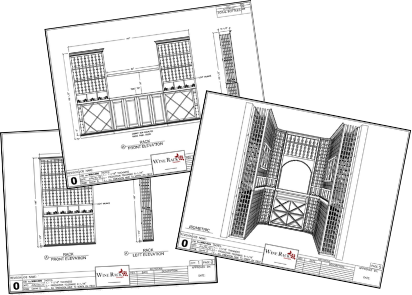
Free 2D wine cellar design