Fusion Wine Walls: The Ultimate Guide to Modern Wine Display Systems

*Pictures are renderings. Actual wine racks may look different
What if your wine collection could serve as the primary architectural focal point of your home rather than being tucked away in a dark, heavy cellar? Many enthusiasts find that traditional wood racks feel too bulky for modern design, making the move to Fusion Wine Walls a natural choice for a cleaner aesthetic. However, it's common to worry about whether a minimalist system can truly support the weight of a growing collection or if the installation will look as seamless as it does in a professional showroom.
We understand that you want a display that reflects the sophistication of the bottles themselves. In this guide, you'll learn how to use these versatile systems to transform any space into a high-end wine gallery that offers both a stunning "floating" look and professional-grade protection. We'll cover everything from choosing between cork-forward and label-forward configurations to ensuring your structural layout supports proper airflow for climate control. By the end, you'll have a clear roadmap for creating a scalable, modern display that grows alongside your passion.
Key Takeaways
- Discover how to transition from traditional hidden storage to a modern gallery aesthetic using a modular, panel-based approach.
- Learn the technical differences between cork-forward and label-forward configurations to perfectly balance bottle density with visual appeal.
- Understand the critical airflow requirements for integrating Fusion Wine Walls with high-performance climate control systems.
- Identify the structural reinforcements necessary to support the significant dead weight of high-capacity metal racking on standard walls.
- Explore how to create a transitional look by blending contemporary metal panels with classic wooden wine racks in a custom design.
Understanding the Fusion Wine Wall Aesthetic
Modern residential architecture has seen a significant shift in how we approach proper wine storage conditions. Instead of relegating prized collections to a basement or a hidden closet, designers are now treating wine as a central decorative element. Fusion Wine Walls represent the peak of this "visible gallery" trend. These systems use a modular panel-based approach that turns any vertical surface into a sophisticated display. By utilizing a minimalist profile, these walls maximize storage capacity without the heavy visual footprint of traditional furniture. The label-forward orientation does more than just show off the vintage; it appeals to the curator's desire for easy inventory management and visual pride. Seeing the labels clearly allows for a more interactive experience when selecting a bottle, turning the act of pouring a glass into a moment of discovery.
To better understand how these components come together to create a seamless look, watch this helpful video:
The Evolution of Wall-Mounted Wine Storage
Standard metal wine racks have long been a staple for basic storage, but the Fusion series elevates this concept into a fully integrated wall system. While traditional racks often leave the mounting hardware exposed, these panels use a layered design to hide structural points. Collectors can choose between wood-backed panels for warmth or acrylic options for a sleek, ultra-modern vibe. Interior designers often prefer these systems for open-concept homes because they maintain sightlines while providing the structural integrity needed for high-capacity storage. It's a move away from the "industrial" look toward something that feels like high-end furniture.
Modular Versatility for Growing Collections
One of the most practical benefits of this series is its inherent scalability. If you're starting with a modest collection, you can install a single panel and expand later using the "no gap" tiling design. This ensures that as you add more panels, the final display looks like a single, cohesive unit. This modularity is particularly valuable for residential dining rooms where space is at a premium, but it also adapts perfectly to high-traffic restaurants that need to showcase their inventory efficiently. It effectively reduces the need for expensive custom cabinetry. You get a professional, polished finish that can be adjusted to fit almost any wall dimension.
Technical Configurations: Cork Forward vs. Label Forward
Choosing the right configuration for Fusion Wine Walls depends entirely on your collection's size and your aesthetic goals. You aren't just picking a rack; you're deciding how you want to interact with your wine. The system offers two primary orientations, Straight (ST) and Horizontal (HZ), alongside varying depth options that allow for single, double, or triple-deep storage. If you're unsure which orientation best suits your room's dimensions, our team can help you visualize the layout through a free design consultation.
Label-Forward Displays (HZ)
If you take pride in the artwork of your labels, the HZ configuration is the ideal choice. It allows you to identify specific vintages at a glance without ever disturbing the bottle. This creates what designers call a "wine wallpaper" effect, where the bottles themselves become the primary texture of the room. This layout is especially effective in social areas like dining rooms or home bars where the collection serves as a conversation starter. To make this truly pop, consider panels recessed for LED lights. Integrated lighting highlights the glass and labels, adding a layer of depth that standard overhead fixtures often miss.
Cork-Forward Displays (ST)
For those who prioritize storage density, the ST configuration offers a traditional approach with a modern metal peg twist. By storing bottles with the cork facing out, you can fit significantly more wine into a narrow wall space than label-forward options allow. This is often the preferred choice for collectors who own large-format bottles, as the sturdy metal pegs provide robust support for the extra weight of magnums. Pairing these ST panels with other metal wine racks can create a cohesive industrial look that feels both professional and timeless. It's a practical solution for serious collectors who want to maintain high bottle counts without sacrificing the sleek aesthetic of the Fusion series.
While single-deep racks offer the cleanest lines, triple-deep options are the standard for high-capacity needs. A triple-deep configuration can hold up to 36 bottles per rack depending on the panel height, which is a substantial amount of wine for a wall-mounted system. This allows you to balance the modern, airy feel of metal racking with the storage requirements of a growing collection. By mixing and matching these depths, you can create a custom display that feels personalized to your specific inventory and space constraints.
Integrating Fusion Panels with Climate Control Systems
While Fusion Wine Walls are often celebrated for their aesthetic impact, their integration into a temperature-controlled environment requires careful technical planning. A high-end display is only as good as the climate that protects it. Properly managing the thermal load of a glass-fronted display is essential for maintaining stability. If you're building a refrigerated space, you must consider how these panels interact with your wine cellar cooling system. The goal is to create a beautiful gallery that doesn't compromise the long-term health of your collection.
Unlike traditional wood racks that have natural gaps, wall-mounted panels can sometimes create barriers to air circulation. It's vital to ensure that panel placement doesn't obstruct the intake or exhaust of your cooling unit. The metal and acrylic components of Fusion Wine Walls are specifically designed to withstand consistent 55-degree temperatures without warping or degrading. However, the installation process must respect the integrity of the vapor barrier. Piercing the wall to mount heavy panels requires specialized fasteners and sealant to ensure you don't compromise the room's insulation or humidity levels.
Design for Airflow and Humidity
Airflow is the lifeblood of a healthy cellar. When panels are tiled too closely together without regard for convection, "dead air" pockets can form. These pockets trap moisture, which eventually leads to label damage or mold growth. To prevent this, we recommend spacing panels to allow for natural air movement. If your room maintains high humidity levels, selecting panel backings like Alumasteel or dark acrylic is a wise choice. These materials resist moisture much better than standard wood finishes, ensuring your display remains pristine for decades. If you're unsure about the technical layout, it's helpful to request a free design to verify spacing requirements.
The Synergy of Glass and Fusion Walls
Pairing these modern panels with a glass enclosure creates a "jewel box" effect that is highly sought after in contemporary luxury homes. This setup allows the collection to be visible from adjacent rooms while staying perfectly chilled. A well-executed design balances the transparency of glass with the robust performance of a dedicated cooling unit, protecting your investment while showcasing it. Your choice of metal wine cellar doors or glass entries will significantly impact the performance of your display. A door with a poor seal forces the cooling unit to work harder, potentially creating uneven temperature zones near the racks. For those aiming for technical harmony between display and climate, focusing on professional custom wine cellar planning is a necessary step to ensure every component works in unison.
In addition to optimizing your cellar's environment, ensuring your home's exterior windows offer peak thermal performance is essential for overall energy efficiency; to learn more about high-quality replacement options, visit Window Galaxy USA.
Installation and Structural Planning Requirements
Installing Fusion Wine Walls requires more than a standard drill and a few anchors. You're building a structural system that must support significant weight over a long period. A fully loaded triple-deep rack can hold up to 36 bottles. This translates to over 100 pounds of dead weight per panel. Standard half-inch drywall simply isn't designed to handle these localized shear forces. If you don't reinforce the wall properly, you risk structural failure that could destroy your collection and damage your home.
To ensure a professional-grade mount, we recommend using 3/4" plywood backing behind the finish wall or installing horizontal structural blocking between the studs. This provides a solid substrate for the mounting screws. It allows you to place panels exactly where your design dictates rather than being limited by stud locations. Using a laser level is also essential. Even a minor deviation at the base will be magnified as you tile panels upward. This results in visible gaps that ruin the seamless, floating aesthetic of the system.
Step-by-Step Wall Preparation
Following a methodical process is the only way to achieve a showroom finish. Start by identifying your stud locations and installing 3/4" plywood backing to create a secure mounting surface. Next, mark a precise grid on the wall for perfectly level panel alignment across the entire display area. You should secure the base panels first, testing each for stability before adding the next layer in the sequence. Finally, snap on the decorative faceplates and insert the wine pegs. Ensure each peg is seated correctly before adding any bottles.
Safety and Long-Term Maintenance
Once the installation is complete, safety becomes a matter of routine maintenance. It's vital to ensure all pegs are tightened properly to prevent bottle slippage. For high-traffic commercial areas, we suggest routine checks of the wall-mount integrity every few months. When cleaning, avoid abrasive chemicals that might dull the finish of the acrylic or metal components. A soft microfiber cloth and a mild, non-ammonia cleaner will keep the display looking like a professional gallery without scratching the surfaces. If you notice any loosening of the hardware, address it immediately to maintain the structural integrity of the wall.
Customizing Your Layout with Professional Design
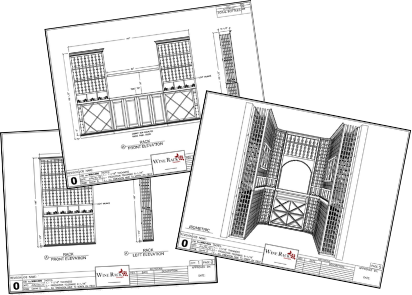
A single panel is often the starting point for a collection, but the true potential of the Fusion series is realized when it's integrated into a comprehensive custom wine cellar. Professional design moves beyond simple storage by considering the entire room's flow and visual balance. We utilize detailed CAD drawings to ensure that every bottle, from standard 750ml sizes to large-format magnums, has the perfect amount of clearance. This level of technical planning eliminates the risk of a cluttered look. It ensures that your Fusion Wine Walls remain as functional as they are beautiful, providing a curated experience every time you step into the room.
Designers must account for the physical footprint of the racking alongside the "negative space" around it. If a display is too crowded, the minimalist appeal of the metal pegs is lost. If it's too sparse, the wall may feel unfinished. By visualizing the bottle spacing in a digital environment before the first screw is driven, you can experiment with different peg configurations and panel heights. This process allows you to see how the light will hit the glass and how guests will move through the space during a tasting.
The Hybrid Cellar Approach
Many collectors find that a "transitional" look best suits their home's architecture. You don't have to choose strictly between modern and classic styles. By combining the sleek, industrial lines of Fusion Wine Walls with the organic warmth of wooden wine racks, you create a space that feels both innovative and timeless. Use metal panels as a central focal point, perhaps in a label-forward HZ configuration, while surrounding them with the Classic or Vintner wood series for bulk storage. This approach also lets you match metal finishes, such as Black Acrylic or Alumasteel, to your home’s existing hardware for a unified interior design.
Leveraging Free Design Services
Planning a high-end display involves several technical variables, from exact panel counts to specific peg depths. Our design service is built to eliminate the guesswork that often stalls DIY projects. We don't just look at the aesthetics; we verify that your layout meets the structural requirements for weight distribution and ensures your cooling unit has the necessary clearance for intake and exhaust. It acts as a bridge between your initial inspiration and a finished, professional result. If you're ready to move beyond the planning phase, you can start your project with a Free Design consultation to see exactly how these modular systems will fit into your unique space.
Designing Your Future Wine Gallery
Transitioning from simple storage to a high-end architectural feature requires a balance of aesthetic vision and technical precision. You've explored how Fusion Wine Walls provide the modular flexibility needed for any space, whether you prefer the artistic impact of label-forward displays or the high-density efficiency of cork-forward pegs. Success lies in the details, such as ensuring proper airflow for your cooling system and reinforcing your walls to handle the significant weight of a growing collection. It's about creating a professional environment where your wine can age gracefully while serving as a stunning focal point.
With over 10 years of custom manufacturing experience, we understand the technical nuances of climate-controlled integration. Our team provides comprehensive CAD design support to help you visualize every bottle spacing and panel layout before the first screw is driven. This collaborative approach ensures that your final display meets both your aesthetic goals and the rigorous standards of professional wine preservation. We're here to act as your expert guide through every step of the planning process.
Your collection deserves a display that reflects the care you've put into curating it. We look forward to helping you transform your home with a gallery that you'll be proud to showcase for years to come.
Frequently Asked Questions
What is the difference between Fusion panels and standard wine pegs?
The primary difference lies in the integrated, modular design of the system. While standard pegs are individual units mounted directly into a wall, Fusion Wine Walls utilize a decorative faceplate that conceals the mounting hardware for a cleaner, floating appearance. This panel-based approach allows you to install multiple rows of pegs simultaneously with perfect spacing. It effectively turns a collection of individual pegs into a cohesive architectural element.
Can Fusion Wine Walls be installed on any type of wall?
You can install these systems on most wall types, provided you have adequate structural reinforcement behind the surface. Because a fully loaded panel can weigh over 100 pounds, standard drywall isn't strong enough to support the tension. We recommend installing 3/4" plywood backing or horizontal wood blocking between the studs before the finish wall is applied. This ensures the rack remains secure and level under the weight of your collection.
How many bottles can a single Fusion panel hold?
Storage capacity varies based on the height and depth of the specific configuration you choose. Standard panels are available in 3-foot and 4-foot heights, with depth options ranging from single to triple-deep. A single-deep, 3-foot panel might hold 9 bottles, while a triple-deep, 4-foot rack can accommodate up to 36 bottles. This flexibility allows you to scale your storage density based on the available wall space and the size of your inventory.
Are Fusion Wine Walls suitable for magnum-sized bottles?
Yes, these systems are specifically designed to support the extra weight and dimensions of magnum-sized bottles. The Straight (ST) or cork-forward configurations are often preferred for larger formats because the metal pegs provide a stable, deep base for the bottle's body. If you plan to store a significant number of magnums, we suggest a custom layout to ensure proper vertical spacing so the larger bottle diameters don't crowd the display.
Do I need a professional installer for my wine wall?
While the system is modular and designed for straightforward assembly, the structural planning often benefits from a professional's touch. Ensuring the wall is properly reinforced and perfectly level is critical for a high-end finish. If you're comfortable with structural blocking and precision leveling, you can manage the installation yourself. However, many clients choose a professional to guarantee the vapor barrier remains intact in climate-controlled environments or to handle complex multi-panel tiling.
How do I clean the acrylic faceplates on my Fusion panels?
Maintaining the pristine look of your display requires a gentle touch and the right supplies. You should use a soft, clean microfiber cloth and a mild, non-ammonia based cleaner to wipe down the acrylic faceplates. Avoid using paper towels or abrasive sponges, as these can create fine scratches that dull the finish over time. Regular dusting prevents buildup on the pegs and ensures the modern, reflective qualities of the materials remain sharp.
Can I use Fusion Wine Walls in a refrigerated cellar?
These panels are an excellent choice for climate-controlled environments because the metal and acrylic components are highly resistant to moisture. Unlike some wood products that might warp or develop mold in high-humidity settings, these materials remain stable at consistent 55-degree temperatures. When integrating them into a refrigerated cellar, it's vital to maintain the integrity of your vapor barrier and ensure panel placement doesn't obstruct the airflow from your cooling unit.
What finishes are available for the Fusion metal pegs?
The system offers several sophisticated finishes to match your home's hardware and overall design aesthetic. You can choose from metal peg options like Brushed Aluminum, Black, or Polished Chrome. These are typically paired with interchangeable faceplates in finishes like Alumasteel, Black Acrylic, or Dark Stain. This variety allows you to create a personalized look that ranges from ultra-modern industrial to a more transitional style that blends seamlessly with your home's existing interior decor.
Have an expert help today!
Free 2D wine cellar design