Exploring Professional Custom Wine Storage Solutions for Every Collection

*Pictures are renderings. Actual wine racks may look different
What if your growing wine collection is actually losing value because of the very room you've chosen to house it in? It's a common realization for many enthusiasts who find that a standard closet or a corner of the basement isn't enough to safeguard their investment. You've likely spent years curating a selection that reflects your taste, and the last thing you want is for temperature fluctuations or improper racking to spoil a single bottle. Investing in professional custom wine storage solutions is about more than just finding extra space; it's about creating a controlled environment where your wine can age gracefully while serving as a stunning focal point in your home.
We understand that choosing between traditional wood, modern metal, or sleek glass can feel overwhelming. You'll discover how to navigate these choices by exploring various racking styles, from the high-capacity Vintner series to the minimalist Fusion wine walls. This article provides a clear path forward, covering the critical role of advanced climate control and offering inspiration for converting small spaces into professional-grade cellars. By the end, you'll have the knowledge needed to protect your collection and the confidence to design a space that truly honors your journey as a collector.
Key Takeaways
- Learn how to distinguish between passive and active storage to ensure your custom wine storage solutions provide the necessary climate control for long-term aging.
- Compare traditional wood series like Vintner and Carpenter with contemporary Fusion wine walls to find the perfect aesthetic for your display.
- Identify the essential infrastructure components, such as vapor barriers and high R-value insulation, that protect your cooling unit from premature burnout.
- Find inspiration for transforming small, underutilized areas like closets into high-capacity, professional-grade wine cellars.
- Understand the importance of planning for bottle variety, ensuring your racking accommodates different sizes from standard 750ml bottles to large-format magnums.
Understanding the Spectrum of Custom Wine Storage Solutions
A professional wine cellar is far more than a simple furniture purchase. True custom wine storage solutions represent a fully integrated environment where architectural design meets precision engineering. It's a dedicated ecosystem built around three essential pillars: high-quality racking, specialized cooling systems, and a properly sealed room envelope. While a standalone cabinet might serve for a casual collection, a custom-built space offers the structural integrity needed to protect a significant financial investment over decades.
To better understand how these elements come together in a professional setting, watch this helpful video:
For many collectors, the path to a professional cellar begins with modular systems. These series allow you to achieve a tailored, built-in look without the extreme costs associated with fully bespoke millwork. By combining different heights, depths, and styles, you can create a storage area that fits your specific room dimensions perfectly. This approach provides the flexibility to grow your collection while maintaining a cohesive aesthetic that respects the traditions of fine wine storage.
Active vs. Passive Wine Storage
Choosing between active and passive storage depends largely on the value and intended lifespan of your collection. Active storage relies on mechanical cooling units to maintain a consistent environment, typically holding the space at the industry standard of 55 degrees Fahrenheit. This precision is vital for long-term aging and protecting delicate flavor profiles. Passive storage utilizes the natural thermal mass of a space, such as a subterranean basement, to stay cool. While passive areas are excellent for high-rotation bottles you plan to drink soon, they often lack the stability required for rare vintages or expensive acquisitions that need years to mature.
The Role of Modular Racking in Custom Design
Modular racking kits are the secret to achieving professional-grade results on a realistic budget. Series like the Vintner or Carpenter lines consist of individual components that designers mix and match to fill a wall from floor to ceiling. Because these racks come in various configurations, you can easily incorporate display rows, diamond bins, or bulk storage sections. Utilizing a free design service helps bridge the gap between separate racks and a finished, seamless room. This professional guidance ensures that every inch of your space is utilized effectively while accounting for bottle variety and airflow requirements.
Selecting the Right Racking Series for Your Aesthetic
The visual character of your cellar is defined by the materials you choose. Selecting the right custom wine storage solutions requires a balance between bottle density and aesthetic impact. Some collectors prefer the warmth and tradition of a classic wood cellar, while others seek the sharp, minimalist lines of a modern gallery. Your decision will influence the mood of the space and how you interact with your collection daily. Whether you're filling a dedicated room or a small alcove, the racking series you select serves as the structural foundation of your vision.
Traditional Wood Racking: Vintner and Carpenter Series
Wood remains the preferred choice for those who value a timeless, organic feel. Professional custom wine storage solutions often utilize premium woods like Redwood or Mahogany because of their natural durability in high-humidity environments. The Vintner series is a favorite for its incredible versatility. It offers various heights and configurations that accommodate everything from standard 750ml bottles to large-format Magnums and Champagne. This flexibility makes it easy to create a built-in look that fills your space from floor to ceiling.
If you prioritize a sense of weight and architectural presence, the Carpenter series is an excellent alternative. These racks feature increased structural thickness and a focus on visible craftsmanship, giving the cellar a permanent, handcrafted feel. For collectors who need straightforward, sturdy organization without extra flourish, the Classic series provides a reliable and time-tested option. These wood systems offer the high capacity needed for serious collectors while maintaining the sophisticated atmosphere of a traditional private cellar.
Modern Innovations: Fusion and Cable Systems
Contemporary home design often calls for a more transparent, minimalist approach. The Fusion Wine Wall is a premier example of this evolution. It combines sleek metal pegs with customizable wood backer boards, allowing you to blend textures for a sophisticated hybrid look. This system is designed to be label-forward, making it easy to find a specific bottle while creating a stunning visual display. It's an ideal choice for high-traffic areas where the wine serves as a piece of living art.
For an even more dramatic effect, Cable and Glass systems create a "floating bottle" appearance that feels light and airy. These metal wine racks are exceptionally durable and space-saving, which is perfect for modern interiors where floor space is at a premium. They pair beautifully with glass enclosures, allowing your collection to be visible from multiple angles without the visual bulk of traditional shelving. If you're unsure which style best fits your home's architecture, you can explore the possibilities through a professional design consultation to see how these systems adapt to your specific room dimensions.
Essential Climate Control and Cellar Infrastructure
While the visual appeal of fine racking is undeniable, the true success of custom wine storage solutions depends on the invisible infrastructure behind the walls. Many enthusiasts make the mistake of assuming a cooling unit is the only technical requirement. In reality, a professional cellar must be built as a hermetically sealed environment. Without a proper "envelope," your cooling system will work overtime to combat external heat and humidity, leading to premature equipment failure and compromised wine quality. This structural foundation is what separates a simple storage room from a professional-grade cellar.
Cooling Units: Self-Contained vs. Split Systems
Choosing the right equipment depends on your room's location and size. For many residential projects, self-contained cooling units offer a practical, plug-and-play solution for through-the-wall installation. These units are efficient for small-to-medium spaces, venting heat into an adjacent, well-ventilated room. Larger or more complex projects often require split systems, which allow the noisy condenser to be placed outdoors or in a remote utility area. Regardless of the system type, BTU sizing is the critical calculation used to determine the necessary cooling capacity based on your room's total volume and insulation levels.
Structural Components: Doors and Vapor Barriers
Structural integrity starts with the vapor barrier and insulation. To maintain the ideal relative humidity of 50% to 70%, a 6-mil polyethylene vapor barrier must be installed on the warm side of the cellar walls. This prevents condensation from forming inside the wall cavity, which can lead to mold growth and structural rot. Proper insulation is equally vital; industry standards recommend a minimum R-value of R-19 for walls and R-30 for ceilings to ensure the cooling unit doesn't burn out from constant operation.
The final piece of the thermal seal is the entrance. Standard interior doors aren't designed to withstand the temperature differential between a 55-degree cellar and a 70-degree living room. They often warp or allow significant air leakage, which forces the cooling unit to work harder. Professional metal wine cellar doors feature dual-pane, thermal glass and specialized weatherstripping to create an airtight seal. These American-made components provide the security your collection deserves while ensuring your climate control system operates at peak efficiency. By focusing on these infrastructure details, you protect both your wine and your investment in the cooling equipment itself.
Maximizing Small Spaces with Creative Storage Applications
You don't need a sprawling basement to house a professional collection. Many of the most impressive custom wine storage solutions are found in small, underutilized pockets of the home. Converting these spaces into functional displays adds significant value to your property while solving the problem of an expanding acquisition list. By thinking vertically and utilizing specialized racking, you can turn a mundane hallway or a forgotten alcove into a sophisticated focal point. These conversions represent a high-ROI home improvement, as they transform dead space into a luxury amenity that appeals to future buyers.
The Closet Conversion Guide
A standard reach-in or walk-in closet is often the most practical candidate for a professional transformation. When selecting a space, prioritize closets with interior walls. These locations offer better natural temperature stability and are significantly easier to insulate than those sharing a wall with the outdoors. Interior walls are best. A Custom Wine Cellar approach allows you to maximize every inch of these tight dimensions, ensuring that no space is wasted. For a step-by-step breakdown of the technical requirements, explore our guide on how to turn a closet into a wine cellar. This transition involves more than just adding racks; it requires careful consideration of the vapor barrier and cooling unit placement to prevent moisture issues in a confined area.
Utilizing Alcoves and Under-Stair Voids
The awkward angles found under a staircase are often left empty, yet they provide a unique opportunity for architectural display. Utilizing the Wine Peg series is particularly effective here. Because the pegs are individual components, they can be installed at custom depths and varied spacing to follow the precise slope of the stairs. This creates a label-forward display that feels integrated into the home's architecture. You can also incorporate waterfall-style racks, which transition heights smoothly to create a seamless flow along the incline of the staircase.
To keep these open areas climate-controlled, glass enclosures are the ideal solution. They provide the necessary thermal seal while maintaining full visibility of your bottles. This setup works exceptionally well for dining room alcoves or shallow hallway voids. Using dual-pane, tempered glass ensures that the cooling system remains efficient while your collection becomes a piece of living art. Modern Fusion Wine Walls prove that you don't need a massive footprint to achieve professional-grade results.
Planning and Designing Your Ideal Storage Environment
The transition from a simple collection to a professional cellar requires a clear roadmap. While it's tempting to focus solely on the aesthetic of the wood or metal, a successful project begins with a deep dive into the logistics of your inventory. Planning your custom wine storage solutions involves more than just measuring a wall; it requires a strategic look at how you buy, store, and enjoy your wine. A well-designed space acts as a bridge between your current hobby and your future aspirations as a collector.
Inventory Assessment and Goal Setting
Before selecting a racking series, you must perform a thorough assessment of your collection's makeup. It's vital to distinguish between bottle count and bottle variety. If your collection includes a significant number of Magnums, Champagne, or large-format bottles, your racking must be sized accordingly to avoid the frustration of bottles that don't fit standard openings. We recommend planning for at least 20% more growth than your current collection size. This buffer ensures you don't run out of space the moment a new vintage is released or a bulk acquisition arrives.
Your storage goals will also dictate the mix of racking styles you choose. You might opt for a combination of individual bottle displays and bulk storage bins. High-capacity wood series like the Classic or Vintner lines are excellent for maximizing bottle count in a traditional setting. If you prefer a more gallery-like atmosphere, the Fusion series offers a minimalist look but may provide a lower total capacity per square foot. Understanding these trade-offs early in the process prevents costly changes once construction has begun.
The Professional Design Process
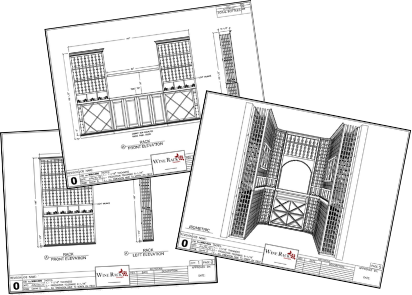
Utilizing professional CAD drawings and 3D renderings is the most effective way to avoid installation errors. These technical documents ensure that your cooling units and racking don't conflict, especially in tight spaces where every inch matters. A 3D visualization allows you to see how light hits the bottles and how the American-made metal doors will look once installed. This level of detail helps you finalize material choices and confirms that the final result will match the vision you have for your home.
Working with an expert designer helps you select the right components for long-term durability. They can guide you toward specific American-made components, such as heavy-duty metal doors or reinforced racking, that provide the structural integrity your collection requires. We encourage you to start with a Free Design Service to visualize your space and receive a professional layout. Once you have a clear plan in hand, you can consult with a specialist to finalize your custom wine storage solutions and move forward with confidence.
Elevate Your Collection with Precision and Style
Building a professional cellar is a journey that balances technical necessity with personal expression. You've seen how the right infrastructure, including proper vapor barriers and cooling systems, protects your investment from the risks of temperature fluctuations. By selecting from versatile series like Vintner or modern Fusion walls, you can implement custom wine storage solutions that adapt perfectly to your home's unique architecture. Whether you're converting a small closet or designing a large-scale commercial display, the key to success lies in the details of the initial planning phase.
Utilizing high-quality American-made components ensures that your storage environment remains as durable as it is beautiful. A professional consultation helps you navigate the complexities of bottle variety and climate control with ease. It's the most reliable way to bridge the gap between a simple vision and a finished, professional result.
Every great collection deserves a space that honors its history and potential. Take the first step toward transforming your vision into a stunning reality today.
Frequently Asked Questions
What is the difference between a wine fridge and a custom wine cellar?
A wine fridge is a standalone appliance, while a custom wine cellar is a fully integrated, climate-controlled room. Refrigerators are designed for short-term consumption and offer limited capacity. Professional custom wine storage solutions utilize specialized insulation, vapor barriers, and dedicated cooling units to provide a stable environment for long-term aging. This allows for a much larger, diverse collection to be displayed as a permanent architectural feature of your home.
Can I build a wine cellar in a room without a basement?
Yes, you can build a professional wine cellar on any level of your home provided the space is properly insulated. While basements offer natural thermal stability, modern cooling technology and high-quality vapor barriers allow for successful conversions in closets, dining room alcoves, or even under staircases. The key is ensuring the room envelope is airtight and the cooling unit is correctly sized for the specific heat load of that location.
How much does it cost to install a custom wine storage solution?
The total investment for custom wine storage solutions depends on the room size, the complexity of the cooling system, and the choice of racking materials. Factors such as the type of insulation required and the inclusion of specialized metal doors will also influence the final project scope. Utilizing a professional design service helps you understand the requirements for your specific space while ensuring the infrastructure protects your collection from long-term damage.
Do I really need a cooling system for my wine racks?
You need a cooling system if you intend to age your wine for more than a few months. While passive storage may work in a naturally cool basement, most residential rooms experience temperature fluctuations that can spoil expensive bottles. A dedicated cooling unit maintains the industry standard of 55 to 58 degrees Fahrenheit. This stability prevents the cork from drying out and ensures the wine matures at a consistent, predictable rate.
What is the best wood for custom wine racking?
Redwood and Mahogany are widely considered the premier choices for custom wine racking due to their natural resistance to rot and mildew. These species thrive in the high-humidity environments required for proper wine preservation. They're durable, dimensionally stable, and don't require artificial stains that could release harmful odors. Choosing these woods ensures your racking remains structurally sound while providing a timeless, elegant aesthetic for your cellar.
How do I calculate the bottle capacity for my available space?
Capacity is calculated by measuring the linear footage of your walls and accounting for the specific racking series you select. Different systems, like the Vintner or Classic series, have varying bottle densities per foot. It's also important to deduct space for the cooling unit and any planned display rows. A professional design consultation is the most accurate way to determine capacity while ensuring you have room for larger bottles like Magnums.
Are metal wine racks better than wood for climate-controlled rooms?
Neither material is inherently better, as the choice depends on your desired aesthetic and space constraints. Metal racks, such as the Fusion or Wine Peg series, offer a modern, label-forward look and are often more space-efficient in shallow alcoves. Wood racking provides a traditional feel and high-density storage for larger collections. Both materials are perfectly suitable for climate-controlled environments as long as they're manufactured from high-quality, durable components.
What is a vapor barrier and why is it necessary in a wine cellar?
A vapor barrier is a layer of plastic sheeting, typically 6-mil polyethylene, installed on the warm side of the cellar walls. It's necessary because it prevents moisture from migrating into the wall cavity. Without this barrier, the temperature difference between the cool cellar and the warm exterior would cause condensation to form. This leads to mold growth and structural damage; eventually, it compromises both your home's integrity and your wine collection.
Have an expert help today!
Free 2D wine cellar design