Custom Wine Lockers: Secure and Climate-Controlled Storage Solutions

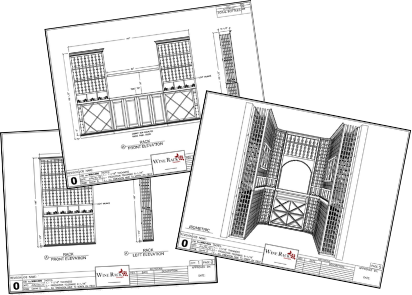
*Pictures are renderings. Actual wine racks may look different
What if your wine storage could offer the ironclad security of a bank vault without sacrificing the aesthetic of a high-end gallery? For many collectors and restaurateurs, the reality of shared storage often involves a difficult compromise between accessibility and protection. You likely recognize the persistent worry that comes with housing valuable vintages in environments where unauthorized access or inconsistent temperatures might jeopardize your investment. Transitioning to custom wine lockers ensures that your bottles are not only safe from theft but also preserved in a micro-environment specifically tailored for longevity.
We understand that a storage solution should feel like a natural extension of your decor rather than a cold, industrial afterthought. This article will show you how the right combination of climate precision and sophisticated design can transform a simple locker into a centerpiece of your collection. We'll explore the essential technical specifications of cooling systems, discuss how to match lockers with premium millwork like the Vintner or Carpenter series, and examine the clear ROI for commercial applications. Whether you're managing a private club or a personal cellar, you'll find the roadmap here to create a secure, climate-controlled sanctuary for every bottle.
Key Takeaways
- Learn to distinguish between conditioned and non-conditioned storage to select the level of climate precision your specific collection demands.
- Discover how custom wine lockers provide a sophisticated alternative to standard shelving by blending individualized security with premium millwork aesthetics.
- Explore the financial benefits for commercial establishments, including how locker programs can foster long-term customer loyalty and steady revenue growth.
- Understand the essential planning steps, from initial space assessment to bottle capacity goals, required for a seamless and professional installation.
- Identify the technical advantages of using authorized cooling systems like CellarPro or WhisperKOOL to maintain a consistent environment for long-term aging.
What are Custom Wine Lockers and Why Do You Need Them?
Custom wine lockers serve as specialized, individualized storage compartments designed for the precise aging and organization of a collection. Unlike open shelving, these units provide a defined boundary for specific bottles, ensuring that inventory remains distinct and protected. If you've ever managed a shared storage space or a rapidly expanding private collection, you know that physical separation is often the only way to maintain true order. These systems transform a standard room into a professional-grade facility by offering a structured environment that prioritizes the safety of your investment.
These systems offer a trifecta of benefits: theft prevention, streamlined inventory management, and aesthetic consistency. They help collectors avoid the confusion that often leads to lost bottles or misplaced vintages. By assigning specific lockers to individuals or categories, you establish a logical flow that protects the integrity of the wine. To better understand how these systems look in a finished space, watch this helpful video:
In commercial settings like country clubs or fine-dining restaurants, lockers solve the "shared space" dilemma by providing clear boundaries between different owners. They allow members to store their personal selections on-site while ensuring the staff can manage the inventory without risk of handling errors or accidental consumption. For residential collectors, these compartments provide a way to sequester investment-grade bottles from daily drinkers. This creates a tiered approach to storage that prioritizes the safety of your most valuable assets.
The Role of Security in Wine Storage
Modern security goes beyond a simple latch. You can choose between traditional keyed locks for a classic feel or digital mechanisms that allow for audit trails and keyless entry. If you require a higher level of protection, specialized metal wine cellar doors can be integrated into the perimeter to secure the entire locker bank. This ensures that high-value investment bottles remain untouched by unauthorized hands, providing peace of mind in high-traffic environments.
Organizational Efficiency for Growing Collections
A disorganized cellar often leads to bottle "churn," where unnecessary movement risks damaging labels or disturbing sediment. By integrating custom wine lockers into a broader custom wine cellar design, you can categorize your inventory by region, vintage, or ownership. This structured approach is particularly effective in commercial environments where staff must quickly locate specific bottles for members without disrupting the rest of the inventory. It turns a chaotic collection into a curated gallery that is easy to navigate.
Conditioned vs. Non-Conditioned Wine Lockers
Selecting the right environment for your custom wine lockers is a decision that dictates the lifespan of your collection. While the terms "conditioned" and "non-conditioned" are straightforward, the technical implementation of each varies significantly. If you're placing units within an existing, high-performance cellar, non-conditioned lockers act as organized extensions of that space. Conversely, a standalone locker bank in a clubhouse or residential hallway requires independent, active climate control to maintain the delicate balance wine needs to thrive.
For conditioned units, the cabinetry itself must be engineered as a micro-cellar. This involves the installation of a vapor barrier on the warm side of the insulation to prevent moisture migration. Without this barrier, the temperature differential between the locker interior and the exterior room can cause humidity to seep through the walls. This moisture can eventually damage labels or the structural integrity of the wood. High-density insulation is then applied to ensure the cooling system operates efficiently without constant cycling, which helps preserve the equipment and reduces energy costs.
If your goal is the long-term aging of investment-grade bottles, active cooling isn't just an upgrade; it's a necessity. Passive systems rely entirely on the surrounding room. This might be acceptable for high-turnover restaurant stock, but it's risky for a decade-long maturation process. A well-planned layout balances these technical needs with the physical constraints of your room. You can begin this process by requesting a free professional design to visualize how these systems integrate into your architecture.
Selecting the Right Cooling System
Integrating WhisperKOOL or CellarPro systems ensures that your collection stays within the ideal 55 to 58 degree Fahrenheit range. Self-contained units are often suitable for smaller locker banks, while split systems offer a quieter operation by moving the condenser to a separate location. This level of precision is what separates a simple storage bin from a professional aging environment. If you're managing a large commercial installation, a split system often provides the necessary power while keeping the front-of-house experience silent and sophisticated.
The Importance of Airflow and Ventilation
Even in non-conditioned units, airflow is critical. Designing lockers with mesh or vented doors allows the ambient cellar air to circulate freely around the bottles. In large commercial banks, high-density storage can create "hot spots" where air becomes stagnant. Strategic ventilation patterns ensure that every bottle, whether at the top or bottom of the bank, experiences the same consistent conditions. Maintaining this equilibrium prevents the temperature fluctuations that can cause corks to expand and contract, which ultimately protects the wine from oxidation.
Materials and Aesthetics: Wood vs. Metal Lockers
Selecting the right material for custom wine lockers involves balancing the desired ambiance with the technical demands of a climate-controlled environment. While some manufacturers suggest that metal is the only modern choice, wood remains a premier option for its natural insulating properties and timeless appeal. The decision often depends on whether you're aiming for the traditional warmth of a private estate cellar or the sleek, industrial vibe of a contemporary city restaurant. Both materials must withstand high relative humidity levels, typically between 55% and 75%, which requires specific species or specialized protective coatings to ensure the structure lasts for decades.
Durability in high-humidity environments is a non-negotiable requirement. Wood lockers naturally absorb and release moisture, which can help stabilize the environment, provided the correct species are used. Metal lockers, on the other hand, offer a non-porous surface that doesn't react to moisture but requires high-quality powder coating to prevent corrosion over time. Whether you choose the organic texture of timber or the cool precision of steel, the finish should match the existing millwork of your home or establishment to create a cohesive architectural statement.
The Craftsmanship of Wooden Wine Lockers
Using species like White Oak or Mahogany ensures that your storage resists the warping and rot that can plague lesser woods in damp conditions. Our Carpenter and Vintner series allow you to create a seamless look by matching lockers to your existing wooden wine racks and surrounding millwork. You can choose solid panel doors for total privacy or glass-inset doors to showcase labels while maintaining a secure barrier. This versatility makes wood the ideal choice for those who view their collection as a heritage piece that should integrate flawlessly with home architecture. Custom stains can be applied to match the specific grain and color of your cabinetry, creating a truly bespoke installation.
Modern Metal and Glass Lockers
If your space demands a more transparent, minimalist aesthetic, metal and glass systems offer an unrivaled "floating" look. These configurations often utilize powder-coated steel and tempered glass to create a durable, high-visibility environment that feels light and airy. In high-traffic commercial areas, metal wine racks and lockers provide superior resistance to the wear and tear of daily use. Systems like Fusion or Cable Wine Racks allow for maximum airflow and light penetration, which is perfect for highlighting specific bottles in a dimly lit dining room. Because metal is inherently resistant to moisture, it's exceptionally easy to maintain in conditioned spaces where cleanliness and low-maintenance materials are high priorities.

Commercial ROI: Why Clubs and Restaurants Invest in Lockers
Commercial establishments often look for ways to deepen patron engagement while securing steady income. Custom wine lockers provide a unique avenue for this by transforming wall space into a premium service offering. Beyond the initial installation, these systems act as a magnet for serious collectors who prefer to store their private reserves where they dine. This creates a "sticky" relationship; members are far more likely to frequent a club or restaurant where their personal inventory is already perfectly conditioned and ready for service. It turns an occasional diner into a consistent, long-term partner of the business.
The financial return on these systems is multifaceted. Membership programs generate consistent recurring revenue through annual or monthly rental fees, which can quickly offset the cost of the initial investment. This revenue model shifts the dining dynamic. When a member knows their favorite vintage is waiting for them, they visit more often and bring guests. This naturally increases food and beverage sales. Even if an establishment chooses to waive corkage fees for locker members, the increased volume of visits and the prestige of the program often lead to a significant boost in overall profitability. High-density storage configurations ensure you maximize every square foot of your floor plan, turning dead space into a profit center.
Designing for the Member Experience
A successful locker program relies on the feeling of exclusivity and personalization. Adding custom nameplates and high-quality hardware makes the member feel like a valued stakeholder in the establishment. To enhance this experience, you can integrate tasting tables or decanting stations directly adjacent to the locker banks. This allows for a seamless transition from bottle selection to tableside service. When lockers are integrated into larger commercial wine cellars, they elevate the overall brand of the venue, signaling a commitment to professional-grade curation that sophisticated clients expect.
Managing Large-Scale Inventory
Efficiency is paramount when managing hundreds of bottles for dozens of different owners. Standardizing bottle depths ensures that everything from slender Rieslings to wide-base Champagne bottles fits securely without protruding into walkways. Scalable modular designs allow for future club expansion, letting you add more custom wine lockers as your membership waitlist grows. Security protocols are equally vital; establishing a system where staff can access the cellar for service while members maintain private access to their individual compartments ensures both accountability and convenience in a high-traffic environment.
Planning and Installing Your Custom Wine Locker System
Planning a successful installation requires a methodical approach that balances your current inventory with your future aspirations. When you begin the journey of installing custom wine lockers, you aren't just buying furniture; you're engineering a functional environment. The process typically follows five critical stages to ensure the final result meets professional standards. Precision at the start prevents costly adjustments later in the project.
- Space assessment: Measure your available footprint and define your bottle capacity goals, accounting for both standard 750ml bottles and larger formats like magnums.
- Climate analysis: Determine if you need an active cooling system or if the units will reside in an existing conditioned cellar.
- Aesthetic selection: Choose materials and finishes that harmonize with your existing decor, whether you prefer the Vintner wood series or a modern metal look.
- Design review: Finalize technical drawings and structural requirements to ensure the cabinetry can support the significant weight of a full collection.
- Expert installation: Execute the build and calibrate cooling equipment from brands like WhisperKOOL or CellarPro to maintain the 55 degree Fahrenheit target.
Leveraging Professional Design Services
Visualizing how these units fit into your architecture is easier when you utilize free design consultations. Professional designers provide CAD drawings and 3D renderings, which are often essential for securing board approval in commercial club settings. These plans also address the structural integrity of the installation. High-capacity wall-mounted units require specific anchoring to manage the load of hundreds of bottles safely. A detailed plan acts as a bridge between your initial vision and a finished, professional result.
Integration with Other Racking Series
One of the most effective ways to elevate a cellar is by blending different storage styles. You can combine secure lockers with Fusion Wine Walls to create a hybrid display that offers both visibility and protection. If you want to add decorative flair, placing the Wine Peg series as accents between locker banks creates a dynamic visual rhythm. This approach allows for a seamless transition from open custom wine storage solutions to the individualized security of lockers. By mixing these elements, you ensure that your cellar remains both a high-security vault and a beautiful architectural feature. It's about creating a space that feels curated rather than just occupied.
Secure Your Legacy with Professional Storage
Protecting a collection requires more than just a locked door; it demands the architectural rigor of climate precision and high-quality materials. Whether you choose the traditional warmth of the Vintner series or the modern edge of metal systems, custom wine lockers provide the essential micro-environment for long-term aging. We've explored how these systems drive revenue in commercial clubs and offer unmatched peace of mind for private collectors who value both security and style.
As an authorized dealer for industry-leading cooling systems like CellarPro and WhisperKOOL, we specialize in bespoke American-designed storage solutions. Our expertise spans both residential estates and high-traffic commercial applications, ensuring every installation meets the highest standards of craftsmanship. Your collection is a reflection of your passion, and it deserves a home that respects the value of every vintage.
By investing in a professional storage system, you ensure that every bottle remains as vibrant and complex as the day it was first corked. We're ready to help you transform your vision into a secure, elegant reality that you can take pride in for years to come.
Frequently Asked Questions
How many bottles can a standard wine locker hold?
A standard locker typically accommodates between 12 and 48 bottles, depending on the specific configuration and racking depth. If you choose a single-deep layout, you'll maximize visibility and access. Double-deep configurations allow for higher density within the same footprint. We design custom wine lockers to handle various bottle shapes, from slender Rieslings to wider Champagne formats, ensuring that every bottle fits securely without protruding into the aisle or walkway.
Can wine lockers be added to an existing wine cellar?
You can easily integrate lockers into an existing cellar by matching the new units to your current millwork and racking series. Our Vintner and Carpenter series are specifically designed to be modular, allowing for seamless expansion as your collection grows. If your cellar already has a reliable cooling system, non-conditioned lockers can be installed to provide organized, secure compartments while utilizing the established ambient temperature of the room.
What is the difference between a conditioned and non-conditioned locker?
Conditioned lockers feature active climate control to maintain precise temperature and humidity levels, whereas non-conditioned units rely on the surrounding room's environment. If you're storing high-value bottles for long-term aging outside of a dedicated cellar, a conditioned unit with a CellarPro or WhisperKOOL system is essential. Non-conditioned options are better suited for high-turnover inventory or for use within an already refrigerated wine room where security is the primary goal.
Are custom wine lockers suitable for residential basements?
Lockers are an excellent choice for residential basements, which often provide the structural stability needed for heavy storage. However, basements can be prone to temperature fluctuations and humidity issues if they aren't properly insulated. We recommend a conditioned system for these spaces to ensure your collection stays at a consistent 55 degrees. Integrating custom wine lockers into your basement transforms underutilized square footage into a professional-grade storage facility that mirrors the quality of a luxury estate.
What types of locks are best for commercial wine lockers?
Commercial environments typically benefit from either high-security keyed locks or digital keyless systems. Traditional keyed locks offer a classic, prestigious feel that many private club members appreciate. Digital locks provide the added benefit of audit trails and easy code resets, which is helpful if you have high member turnover. For the ultimate perimeter security, we also offer specialized metal wine cellar doors that protect the entire locker bank from unauthorized handling or access.
How do I ensure proper airflow in a bank of lockers?
Proper airflow is achieved by using mesh or vented door panels that allow air to circulate freely around each bottle. In high-density configurations, it's vital to avoid "hot spots" by ensuring the cooling unit's intake and exhaust aren't obstructed. Whether you're using a self-contained refrigeration unit or a split system, the layout should prioritize even distribution. This prevents stagnant air pockets that could lead to temperature variations and potential damage to your labels or corks.
Do I need a vapor barrier for a conditioned wine locker?
A vapor barrier is absolutely necessary for any conditioned locker that faces a warm or unconditioned exterior room. This barrier prevents moisture from migrating through the walls, which can lead to condensation and mold growth inside the unit. By installing a high-quality vapor barrier on the warm side of the insulation, you protect the structural integrity of your cabinetry. This technical detail ensures that your cooling system operates efficiently without struggling against outside humidity.
Can I customize the finish of my lockers to match my furniture?
You can certainly customize the finish of your storage units to match existing furniture or architectural millwork. We offer a wide range of stains and wood species, including White Oak and Mahogany, to ensure aesthetic harmony within your home or restaurant. Whether you're matching a specific cherry wood desk or a dark walnut dining table, our design team works to replicate the grain and color. This level of personalization turns your storage into a seamless piece of decor.
Have an expert help today!
Free 2D wine cellar design