Contemporary Living Room Wine Display Ideas in Varied Finishes

*Pictures are renderings. Actual wine racks may look different
The best living room wine display ideas make bottles part of the room while matching storage to how soon you plan to enjoy them. A successful design balances lighting, bottle protection, finishes, layout, and scale rather than treating the rack as an afterthought. For longer-term storage, climate control matters. A living-room display is better suited to bottles you expect to enjoy sooner.
A wine feature can look striking up close yet disappear behind a floor lamp, tall plant, or open door. Plan around the room's main sightlines so the display feels integrated from the sofa and entrance. Thoughtful lighting can bring its materials and bottles into focus.
This guide explores how backlighting, storage conditions, contrasting finishes, panel arrangements, and wall height shape a contemporary display. You'll see how these choices work together, whether you're planning a compact accent or a larger wine wall, and how to create a feature that suits both your collection and your living space.
Key Takeaways
- Plan lighting to bring bottles and darker finishes into view while keeping the display cohesive with the room.
- Match the storage approach to how soon you expect to enjoy the wine; long-term storage calls for a more controlled environment.
- Use finish and panel layout to balance the display with nearby materials and the available wall area.
- Consider vertical scale alongside room sightlines so the feature remains visible without competing with furniture or other decor.
- Plan the display location around bottle clearance, wall construction, and practical routes for power and cables.
Table of Contents
Backlit wine displays and LED lighting
In a dim living room, a backlit wine display can make bottles visible without relying on overhead lighting. Integrated lighting can highlight wine storage and darker finishes, including in an under-stair wine cellar. Position the light to reveal the rack and backdrop without creating glare across the room. For example, a concealed LED strip behind a dark panel can outline bottle rows and bring out the panel's texture. The result is a defined feature that still feels connected to the room.
A television changes the lighting plan. If the display is near a screen, direct light can create distracting reflections. Place the fixture behind the rack or along its sides, then view the setup from the sofa with the screen on. Adjust the angle or brightness until the bottles remain visible without a bright point competing with the image. This simple test helps balance the display's evening presence with comfortable screen viewing.
Backlit stone adds another layer of texture. In a living room with a stone feature wall, light behind a translucent stone panel can reveal its natural pattern; colored lighting can shift the mood. Keep the color choice coordinated with surrounding finishes, such as warm wood or neutral upholstery, so the bottles remain the focus. A restrained white setting suits an understated scheme, while an RGB option allows color changes for different occasions. Treat color as an accent, not a substitute for a considered layout.
Compact displays need deliberate placement because even a small fixture can dominate a narrow wall. For a short wine rack near a bar cabinet, use a localized light aimed across the bottles instead of illuminating the whole wall. Before installing the rack, plan the outlet and cable route around its intended position. This keeps cords from interrupting the display and helps the lighting fit naturally into the room.
Are there safety concerns when mounting a wine rack or storing bottles near children and pets? Yes. Before mounting, confirm the wall construction, stud locations, and bottle clearance using the product details and installation guide. Position the rack where children and pets are less likely to reach, bump, or disturb bottles, and route cables away from their path.
Consider an under-stair wine display with dark finishes and limited natural light. Combine integrated lighting with a controlled white tone, then assess the view from the sofa and entrance. This makes the rack easier to see while preserving the room's atmosphere. A compact enclosed display can use internal lighting to highlight bottles without illuminating the whole living room. In both cases, test the effect at the times you use the space, including during screen viewing.
Passive displays versus climate-controlled storage
A passive display suits bottles intended for near-term enjoyment, while long-term storage calls for steadier conditions. For wine kept outside a controlled environment, limit passive display storage to up to 6 months. Wines planned for consumption within the next year or two can often be stored in main living areas, but that doesn't make every room suitable for extended aging. Think of a living room rack as accessible storage, not a substitute for a climate-controlled cellar.
Location affects both appearance and storage conditions. Choose a dark, cool position away from direct sunlight, such as an interior wall rather than a sunlit window. For long-term storage, a home wine cellar should be kept between 45 and 65°, with 55° as the optimal temperature. Humidity should be between 50% and 80%, helping keep corks moist. These figures apply to cellar conditions, not an uncontrolled living room display.
Capacity helps determine whether a compact rack or larger feature makes sense. Wall-mounted options are listed with capacities of 12-36 bottles and 24-72 bottles, while a stackable rack is listed for 72 bottles. Treat those as examples of different scales, not a reason to fill every available wall. For a small collection meant for regular use, a compact display can keep favorites accessible; a growing collection may need dedicated, controlled storage.
In a home bar or lounge, frequent serving and limited space call for a practical setup. Place a small display near the serving counter and reserve cooler storage for bottles kept longer. This keeps a selection within easy reach without making the bar the collection's long-term home. In a kitchen, cabinetry can frame a wine feature beside a bar cabinet. Keep the display away from direct sun and heat-producing appliances.
Millwork makes the storage feel built into the room. For example, a living room with a recessed wall can use matching cabinetry around bottle rows, creating a defined wine feature with a finished appearance. The action is to plan the rack dimensions, bottle access, and cabinet openings together before the millwork is finalized. The result is a cohesive composition rather than a rack squeezed into leftover space. For a bespoke layout that coordinates storage and cabinetry, explore custom wine display planning.
If guests often reach for bottles at a home bar while another collection is being aged, keep the serving selection in a passive rack and use climate-controlled storage for bottles intended to remain undisturbed. This gives each area a clear purpose. The living room display can stay visually open and practical, while longer-term storage suits the collection's needs.
Finishes, colors, and panel configurations
A wine display feels like part of the room when its finish relates to nearby architecture. In a living room with warm wood furniture, a wood-backed rack can echo the grain, while stone creates a more textural contrast. Metal adds a crisp outline against either surface. Choose one dominant finish, then let the bottles and smaller details provide variation. This keeps the collection visually composed instead of making every material compete for attention.
Panel layout shapes the display's overall proportion. A pantry wine feature described with a 2-by-4 panel configuration forms a broad, orderly block. For a narrow wall, a 1-by-6 arrangement creates a taller composition without spreading across the room. The practical step is to map the available wall area before choosing the panel pattern. A layout that suits the wall's width and height feels deliberate; one that ignores those boundaries can overwhelm nearby cabinetry or furniture.
Consider the room's architectural finishes before selecting a color. In a kitchen opening onto the living room, matching the display's wood tone to the cabinetry can connect both spaces. If the living room has stone surfaces, a contrasting panel can make the bottles stand out without introducing another competing pattern. Hardwood, cork, and tile are flooring options for a home wine cellar, each creating a different visual context. Carry one flooring tone into the display, or contrast it deliberately for a defined feature.
For a built-in feature wall, a 3-by-9 panel configuration offers a repeated grid that gives the wall a strong visual rhythm. The situation might be a broad, otherwise plain living room wall. The action is to align the panel edges with nearby architectural lines, such as a cabinet edge or doorway. The result is a display that feels integrated rather than simply mounted onto an empty surface; homeowners undertaking broader renovations often look to interior specialists like Verve Interior Design & Build to coordinate custom fit-outs and architectural feature walls seamlessly. A 5-by-4 arrangement in a dining room offers a squarer alternative when the wall has more width than height.
Smaller configurations can make a feature feel intentional without turning it into a full wall. A 4-by-2 home wine storage layout uses a low, wide arrangement, while a 1-by-6 vertical cork-out display emphasizes height. For either example, keep the panel pattern consistent and leave visual breathing room around its edges. The bottles become part of the composition, not a substitute for one.
Use a simple selection sequence: identify the room's dominant material, choose a complementary rack finish, then fit the panel shape to the wall. For example, a wood-and-stone living room might use a dark metal structure to distinguish bottles from both surfaces. A lighter wood display could instead soften a room with strong stone features. The right combination depends on whether you want the display to blend in or serve as a focal point.
Planning for the display's vertical scale
A vertical wine display can turn an unused wall into a defined feature, but its height changes how the room feels. A short arrangement reads as an accent, while a taller rack draws the eye upward and can anchor a broad wall. Consider the display from the sofa and entrance, then judge how its top and bottom relate to nearby furniture. Scale is a room-planning decision, not simply a way to fit more bottles.
Wall-mounted racks show how different heights create different visual effects. The W Series Wine Rack 4 is 48 inches tall, the W Series Wine Rack 6 is 72 inches tall, and the W Series Wine Rack 8 is 96 inches tall. A stackable Living Series rack is 57 inches tall. These measurements offer distinct proportions: a lower profile can sit comfortably beside cabinetry, while a taller arrangement gives a blank wall greater presence.
For a compact living room, a 48-inch rack can create a contained feature without extending across the wall. The situation is a narrow stretch beside a doorway. The action is to align the rack vertically with a nearby furniture edge, while leaving clear space around the doorway. The result is a display that feels intentional rather than squeezed into a passage. A taller option may suit a more open wall where its upward line has room to read clearly.
Consider the full room view before settling on a height. A floor lamp, tall plant, or open door can obscure the display, especially when they occupy the same vertical area. If a plant already fills one corner, place the wine feature on a separate wall section. This keeps bottles visible from the sofa and entrance and prevents two tall elements from competing for attention.
A high display also needs to make sense as a working storage feature. Place frequently reached bottles within comfortable reach, then use higher rows for bottles accessed less often. For example, a 96-inch vertical rack can create a strong architectural accent, while its lowest rows remain the practical point of access. This division lets the full height contribute to the room without making every bottle equally difficult to retrieve.
Before choosing between a 57-inch stackable rack and a taller wall-mounted design, compare its outline with the room's existing vertical lines. A low cabinet may favor a display that rises just above it; a high, uninterrupted wall can carry a more prominent feature. The best scale balances visible bottle storage with the furniture, openings, and sightlines already shaping the living room.
Contemporary living room wine displays
A contemporary wine display should relate to the room's architecture, not look like an object added later. Plan it from views across the room, including the sofa and entrance. Then consider whether a floor lamp, tall plant, or open door would obscure it. A feature wall visible from the sofa can make the collection part of the room's design. Placing it behind a tall plant would hide bottles and weaken its visual impact.
Match the display's structure and finish to the room's style. In a minimalist space, a restrained metal rack keeps attention on the bottles; in a warm, traditional room, wood can echo existing furniture. A glass enclosure can suit a polished contemporary interior, while a darker backdrop can define a dramatic feature. For homeowners embarking on a wider renovation, working with an interior design and fit-out specialist like Right Solution Contracting LLC helps ensure built-in elements and bespoke finishes align seamlessly with the surrounding architecture. Start by identifying the room's strongest materials, then choose a display that complements or deliberately contrasts with them.
Consider a living room with an open wall beside the dining area. The situation calls for a feature that feels substantial without disrupting the room's flow. Arrange the display as a defined vertical or horizontal composition, then keep nearby furniture and decor from crowding its outline. The result is a beautiful focal point that connects the social areas while leaving the room's main sightlines clear.
Wine glasses work best as a coordinated companion display, not as clutter among the bottles. Place them on a separate shelf or in adjacent cabinetry, grouped by shape or use. For example, a living room bar can pair bottle storage with an upper glass shelf, keeping both visible and easy to reach. This gives glasses their own space and lets the wine rack remain the central feature.
A larger display can also make a contemporary room feel like a wine cellar without enclosing the entire space. The San Juan Capistrano wine wall holds 700 bottles, with room for magnum storage above. Its display rows keep bottles lying down so the cork stays wet. In a home setting, the takeaway is to let the collection's scale guide the wall composition, while keeping the display appropriate to the room and its intended storage conditions.
In a compact lounge, use a smaller display near the seating or serving area while keeping circulation and sightlines open. In a larger living room, a wine wall can define a zone beside a dining table or bar. In either case, decide whether the feature should blend with the interior or stand apart as an accent. That choice helps coordinate the finish, placement, and glassware.
Wine Rack Concepts
Wine Rack Concepts helps turn a living room display idea into a coordinated storage plan. For a wall-mounted feature, the Wall Wine Rack Series can suit the available space. For a larger collection or longer-term storage, consider a custom wine cellar with wine cellar cooling alongside the display. The right approach depends on your layout, collection, and preferred balance between visibility and protection. Share the space you're planning and the look you want to create. Contact Wine Rack Concepts to discuss your living room wine display.
Shape a wine feature around the way you live
The strongest living room wine display ideas begin with a clear intention: decide whether the display should quietly complement the room or become its defining feature. Then consider how your collection may change and how the space serves everyday living, entertaining, and quiet evenings. A thoughtful plan gives each choice a purpose, from placement to how the display connects with your home's character.
Wine Rack Concepts can translate that direction into a considered design for your space. Bring your preferred look, the wall or area you have in mind, and a sense of how you use the room. These starting points help shape a wine feature that feels personal and belongs in your home.
Your living room can make room for a display that reflects your taste and the pleasure of sharing a well-chosen bottle. When you're ready, take the next step and turn your vision into a plan with Wine Rack Concepts.
Frequently Asked Questions
How can you display wine bottles in a small living room?
Choose a compact rack for an underused wall section or integrate bottle storage into existing cabinetry. Among living room wine display ideas, a vertical arrangement can preserve floor space while keeping a curated selection visible. Group bottles by occasion or label orientation for a tidy presentation. If the room also serves as a passage, keep the display clear of routes between seating, doors, and frequently used areas.
What types of wine racks and cabinets work best in a living room?
The best choice depends on whether you want bottles visible, concealed, or integrated with furniture. A metal or cable rack creates an open look, while wooden wine racks can coordinate with cabinetry. A glass-enclosed wine cellar offers a more defined architectural feature. For example, a living room with built-in cabinets may suit a matching wood display, while an open-plan room may benefit from a lighter-looking rack.
How do you build a DIY wall-mounted wine rack for a living room?
Start with the rack's installation guide, then map the wall structure and bottle clearance before drilling. Mark the intended position, locate suitable studs, and use the mounting method specified for the rack and wall construction. Assemble and secure the rack according to its instructions, then load bottles as directed. If the wall or mounting method is unclear, have a qualified installer handle the installation rather than improvising with fasteners.
How should wine be stored to protect it from heat, light, and temperature changes in a living room?
Keep bottles away from direct sunlight, fireplaces, heating vents, and heat-producing kitchen appliances. Choose an interior location where household activity is less likely to expose the collection to repeated temperature changes. A decorative rack works for bottles intended for nearer-term enjoyment; wine meant for longer storage needs a controlled environment. Organizing bottles by drinking priority can also reduce unnecessary handling of those stored longer.
What is the difference between a decorative wine display and a temperature-controlled wine cabinet?
A decorative display holds bottles for visibility and access, but it does not actively manage their storage environment. A temperature-controlled cabinet is designed to regulate conditions around bottles. For example, a living room rack can present bottles for serving, while a controlled storage area protects those intended to remain in the collection longer. These living room wine display ideas work best when presentation and longer-term storage each have a clear purpose.
Have an expert help today!
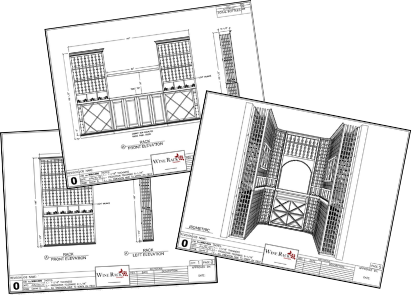
Free 2D wine cellar design