Condo Wine Storage Ideas: Sophisticated Solutions for Urban Spaces

*Pictures are renderings. Actual wine racks may look different
What if your limited urban square footage wasn't an obstacle to a professional wine collection, but rather a canvas for architectural innovation? You likely feel that without a traditional basement, your only option is a small countertop cooler or a dark pantry shelf. It's a common concern; watching a curated collection face the risks of kitchen heat and urban vibrations is frustrating for any enthusiast. We believe that finding sophisticated condo wine storage ideas requires a careful balance of technical precision and aesthetic vision.
You will discover how to transform even the most compact alcove into a professional-grade wine display using modern architectural racking and specialized climate control. We'll show you how systems like Fusion Wine Walls and Cable Wine Racks turn storage into high-end decor while protecting your investment from environmental stressors. From navigating strict HOA venting rules with WhisperKOOL systems to selecting the right glass enclosures, we provide a methodical roadmap to increase your property value through luxury upgrades. This guide simplifies the transition from a simple bottle count to a gallery-quality installation.
Key Takeaways
- Identify under-utilized alcoves and hallways that can be transformed into professional-grade storage without sacrificing valuable floor space.
- Discover sophisticated condo wine storage ideas that utilize the Wall Wine Rack series to create a stunning, label-forward display in high-traffic areas.
- Evaluate the aesthetic differences between traditional wood series and modern metal systems to ensure your wine wall integrates seamlessly with your interior design.
- Learn how to implement compact cooling solutions from brands like WhisperKOOL and Wine Guardian to protect your collection from urban heat and vibration.
- Understand the technical requirements for custom glass enclosures and metal doors that elevate your display into a functional piece of art.
Maximizing Luxury in Limited Condo Square Footage
Traditional cellar design often relies on subterranean environments that provide naturally cool, dark conditions. In a modern high-rise, these elements are absent. You're dealing with floor-to-ceiling windows and shared walls rather than limestone and dirt. Effective condo wine storage ideas require a shift in perspective; you aren't just building a rack, you're engineering a micro-climate within a living space. By identifying under-utilized areas like shallow hallways or the space beneath architectural stairs, you can reclaim square footage that would otherwise go to waste.
Open-concept floor plans present unique challenges, particularly regarding light and heat protection. Without the thermal mass of a basement, your collection is vulnerable to the daily temperature swings of an urban apartment. Transitioning from simple utility storage to a curated wine display means treating your bottles as part of the home's architecture. This approach ensures your wine remains protected while doubling as a sophisticated focal point in your living area.
To better understand this concept, watch this helpful video:
The Problem with Kitchen Storage
Many residents default to keeping bottles in the kitchen, but this is the most hostile environment in the home. Ovens generate significant ambient heat, while the constant vibration of a refrigerator compressor can disturb the delicate sediment in aging wines. The area above the fridge is a notorious heat trap where rising warm air settles, potentially damaging the cork and the liquid inside. Establishing a baseline of 55°F to 58°F is essential for preservation, a standard that's difficult to reach in a high-traffic culinary zone.
Defining the Wine Wall Concept
The wine wall serves as the primary space-saving strategy for urban dwellers. Instead of deep, floor-based shelving that obstructs walkways, these systems utilize vertical height to create a floating effect. Whether you choose the Fusion Wine Wall series or a minimalist cable system, the goal is to integrate the collection into your interior design seamlessly. Implementing smart condo wine storage ideas like these ensures your collection is both safe and stylish. If you're ready to start planning, exploring professional custom wine storage solutions for every collection can help you visualize how these systems adapt to different condo scales.
Vertical Solutions: Utilizing Wall-Mounted Wine Racks
While many online guides suggest bulky floor units or basic DIY shelving, these options often clutter high-traffic urban areas. The Wall Wine Rack series provides a streamlined alternative that prioritizes floor space. By moving the collection to the wall, you eliminate the footprint of traditional furniture. This is one of the most effective condo wine storage ideas for residents who want to maintain an open, airy feel in their living space. These systems are designed to adapt to the unique architectural constraints of modern apartments, turning empty drywall into a professional-grade cellar.
Choosing the right bottle orientation is a critical spatial decision. Label-forward displays, common in modern metal racking, typically require only 5.25 to 12.25 inches of depth. This allows you to install a full collection in a hallway without obstructing the path. In contrast, traditional cork-forward racks require significantly more depth to accommodate the full length of the bottle. For the narrow corridors common in urban layouts, label-forward systems provide superior accessibility and a more striking visual impact.
Safety is paramount when mounting heavy loads on shared condo walls. A standard 750 ml bottle weighs approximately 3 pounds; a 72-bottle display adds over 200 pounds of dead load to your vertical surface. Drywall toggle bolts alone are insufficient for this weight margin in multi-family units. We recommend fastening directly into wall studs or installing 3/4-inch plywood backing behind the finish to ensure long-term stability and safety.
The Fusion Wine Wall: Metal and Wood Synergy
The Fusion Wine Wall series represents a perfect balance of materials. It combines the warmth of wood backer boards with the sleek, industrial look of metal pegs. This system allows for incredible bottle density without looking overcrowded. You can customize the peg layout to fit your specific inventory, making it an ideal choice for a feature wall in a dining room or an alcove. The combination of textures ensures the display feels like a custom piece of furniture rather than a utility rack.
Wine Peg Systems for Minimalist Interiors
For those seeking a truly minimalist aesthetic, the Wine Peg series offers unparalleled versatility. These individual pegs can be arranged in custom geometric patterns, turning your collection into a literal piece of art. This system works exceptionally well in narrow entryways where every inch counts. You can explore our full range of Wall Mounted Wine Racks to see how these components fit your vision. If you're unsure how to navigate your specific wall dimensions, our team can help you create a personalized layout for your space at no additional cost.
Material Comparison: Choosing the Right Style for Your Space
Selecting the right material is a fundamental step in designing your urban cellar. While aesthetics drive the initial decision, the functional properties of wood and metal impact airflow and space perception differently. For many owners, the Vintner and Carpenter wood series offer a timeless warmth that softens the glass and steel often found in high-rise architecture. These systems provide a sense of permanence and heritage, even in a contemporary setting. If you prefer a more traditional atmosphere, these series provide the structural depth needed for a significant collection.
Conversely, metal wine racks are frequently the preferred choice for modern industrial-style condos. Their thin profiles and open structures allow light to pass through, preventing a small room from feeling cramped. Beyond the visual, durability is a key factor. Powder-coated metal resists the humidity required for long-term storage without the risk of scuffing, while treated wood finishes provide a natural, breathable environment for corks. Mixing these materials creates a transitional design that bridges the gap between old-world tradition and urban modernity.
The Classic Series vs. Modern Metal
If you're aiming for a seamless, built-in look that mimics a traditional cellar, the Classic series is an excellent starting point. It provides the structural presence of a custom library and fills an alcove with a sense of luxury. Metal racks, however, excel in space-saving scenarios due to their minimalist footprints and ability to mount directly to wall studs. The choice of material fundamentally dictates the visual weight of the room, either grounding it with solid wood or lifting it with airy metal frames.
White Oak and Specialized Finishes
White Oak wine racks have become a premier choice for luxury urban units due to their exceptional durability and attractive grain patterns. This material is particularly well-suited for climate-controlled environments where moisture resistance is vital. You can customize these finishes to match your existing condo cabinetry, ensuring the wine display feels like an intentional architectural feature rather than an afterthought. Exploring different wooden wine racks allows you to find a texture that complements your flooring and furniture.
When exploring condo wine storage ideas, consider how a dark walnut finish might contrast with light marble or how brushed nickel pegs might reflect the city lights from your windows. These subtle choices transform a simple storage solution into a personalized design statement. By focusing on high-quality materials, you ensure your collection is housed in a structure as refined as the bottles themselves. This thoughtful approach to material selection ensures that your storage solution remains a lasting asset to your property.

Climate Management: Cooling Units for Compact Spaces
Urban dwellers often receive the misguided advice that a dark hall closet is sufficient for long-term preservation. This ignores the reality of modern high-rise construction, where internal heat gain and fluctuating HVAC cycles can quickly degrade a collection. Active cooling is essential because it maintains the strict 55°F to 58°F range required for proper aging. Without it, your investment is at the mercy of the ambient temperature of your living room. Effective condo wine storage ideas must prioritize a stable micro-climate to prevent cork failure and premature oxidation.
Venting remains the primary hurdle in multi-family environments. Condominium bylaws strictly forbid core-drilling through the building's exterior for mechanical exhaust. Consequently, through-the-wall units must exhaust heat into an interior conditioned space that is at least equal in volume to the wine display itself. Selecting units from WhisperKOOL or CellarPro is advantageous here, as these brands offer models specifically engineered for quiet operation in residential areas. Noise levels typically range from 47.9 dB to 57.9 dB, making them comparable to a modern dishwasher or a quiet conversation.
Self-Contained vs. Split Systems
Self-contained refrigeration units are the primary "plug-and-play" choice for closet conversions. These systems house the evaporator and condenser in one unit, making installation straightforward for smaller footprints. However, if your display is larger or integrated into a primary seating area, a split system may be necessary. These allow the noisy compressor to be located up to 25 or 50 feet away, leaving only a quiet evaporator inside the wine room. You can browse our full range of wine cellar cooling solutions to find the right fit for your layout.
Vapor Barriers and Insulation for Small Enclosures
Maintaining a stable environment requires more than just a cooling unit; it requires a sealed envelope. Single-pane glass offers almost no thermal resistance, while dual-pane Low-E glass improves the rating to approximately R-3 or R-4. For closet conversions, you must install a proper vapor barrier on the warm side of the insulation to prevent condensation and mold growth between shared walls. This technical foundation is what separates a simple rack from a professional cellar. For deeper technical insights, read The Professional Guide to Commercial Wine Cellar Refrigeration Systems.
Designing Your Custom Condo Wine Display
Success in urban wine storage depends on precision. When you're working with limited square footage, every fraction of an inch matters. Measuring for a custom fit requires more than just checking the height and width of a wall; you must account for baseboard depth, crown molding, and the swing radius of existing doors. If your layout is even slightly off, a high-end glass enclosure may not seal correctly, compromising the climate control discussed earlier. These technical details are what transform basic condo wine storage ideas into a seamless architectural feature.
Lighting plays a transformative role in making a small wine wall pop. Integrated LED strips can highlight the labels of your collection without introducing damaging heat. For sunlit urban apartments, choosing glass with Low-E coatings is vital, as it filters out 40% to 70% of UV light that would otherwise degrade your wine's tannins. This protection ensures your display remains a vibrant piece of art that preserves the integrity of every bottle while acting as a focal point in your home.
Glass Enclosures and Visual Flow
In compact units, maintaining a sense of openness is essential. Utilizing an All Glass Wine Enclosure allows your collection to remain visible from multiple angles without creating a visual barrier in the room. This transparency makes the space feel larger than it is. For a more industrial or traditional touch, integrating custom metal cellar doors adds a layer of sophisticated texture. To understand how these elements come together, consult our custom wine cellar design guide for a deeper look at luxury finishes.
Planning for future growth is another critical consideration. You must decide between fixed racking for a polished, permanent look or modular systems that allow for expansion. While fixed racking offers a higher level of customization, modular components provide flexibility as your palate and inventory evolve. Balancing these choices during the design phase prevents the need for costly renovations later as your collection matures.
Starting Your Design Journey
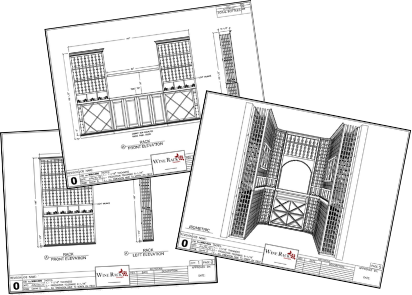
Professional designers specialize in solving the complex puzzles presented by condo floor plans. They can identify the best locations for structural backing and ensure your cooling unit's venting doesn't conflict with building rules. One of the most significant advantages of this collaborative process is the ability to see a 3D rendering before any installation begins. This allows you to visualize the final result and make adjustments to the materials or bottle density in real-time. It's the most reliable way to bridge the gap between a vision and a finished, professional result.
Elevating Your Urban Collection
Transforming a compact urban floor plan into a professional-grade cellar is a matter of choosing the right technical components and aesthetic finishes. You've seen how vertical systems like the Fusion Wine Wall series and modern peg systems maximize every inch of wall space without disrupting the flow of your home. By integrating high-quality components such as metal doors and specialized cooling from brands like WhisperKOOL, you ensure your collection remains protected from the unique heat and vibration challenges of high-rise living.
Implementing these condo wine storage ideas allows you to move beyond basic utility and create a curated display that increases your property's value. Whether you prefer the warmth of White Oak or the sleek profile of stainless steel, the key is a methodical approach to design and climate control. We specialize in helping residents navigate these complex layout puzzles with expert consultations tailored specifically to small spaces.
Your vision for a sophisticated home cellar is within reach, even in the heart of the city. We're here to help you bridge the gap between initial inspiration and a finished, professional result that you can take pride in for years to come.
Frequently Asked Questions
Is a wine fridge better than a custom wine wall for a condo?
A custom wine wall is often superior to a standalone fridge because it utilizes vertical height without consuming valuable floor area. While a fridge is a simple appliance, a Fusion Wine Wall acts as architectural decor that protects your investment. These systems integrate seamlessly with your interior design, whereas fridges can feel bulky in narrow layouts. Custom solutions also offer higher bottle density and significantly increase your property's luxury appeal compared to standard appliances.
Where is the best place to put a wine rack in a small apartment?
The best location for your collection is an interior wall away from the kitchen's heat and the vibration of heavy appliances. Hallways and dining room alcoves are ideal because they reclaim dead space that otherwise goes unused. Using a Wall Wine Rack series allows you to display bottles in high-traffic areas without obstructing the walkway. Avoid walls that receive direct sunlight, as UV rays can damage tannins even through clear glass enclosures.
How do I handle cooling if I cannot vent to the outside of my condo?
You can overcome external venting restrictions by using a self-contained cooling unit that exhausts heat into a conditioned interior room that is at least equal in cubic volume to the wine display. This allows the secondary space to absorb the heat effectively. Alternatively, a ductless split system from WhisperKOOL allows you to place the condenser up to 50 feet away, routing only small refrigerant lines through the ceiling or walls.
Can I install a wine cellar in a condo closet?
You can absolutely transform a standard closet into a professional-grade cellar by adding a vapor barrier and rigid insulation. It's critical to seal the space completely to maintain the required 55°F to 58°F temperature range. Once the envelope is secure, you can install specialized cooling units like those from Wine Guardian. This approach is one of the most effective condo wine storage ideas for collectors who want a hidden yet professional environment.
Do metal wine racks vibrate more than wood racks in a city environment?
Metal racks don't inherently vibrate more than wood, provided they're fastened securely to the wall's structural framing. While White Oak wine racks provide natural acoustic damping, modern metal systems are engineered with tight tolerances to prevent bottle movement. In a city environment, the primary concern is building vibration, which is best managed by using rubber-isolated mounting brackets for your cooling unit rather than changing your choice of racking material.
How much space do I really need for a 100-bottle wine wall?
A 100-bottle display typically requires about six to eight linear feet of wall space when using a label-forward metal system. If you utilize triple-deep racking, you can achieve this capacity in a much smaller horizontal footprint of approximately three feet. The total depth will range from 5.25 inches to 12.25 inches. Planning your bottle density early ensures your condo wine storage ideas fit your inventory without overcrowding the room's visual flow.
What are the best wine storage ideas for a studio apartment?
Studio apartments benefit most from minimalist systems like the Wine Peg series or Cable Wine Racks that double as room dividers. These solutions provide a floating look that maintains sightlines, preventing the studio from feeling divided or cramped. By utilizing the full vertical height of a wall, you can store a significant collection in a footprint of less than one square foot. This maximizes storage while keeping the living area open and modern.
Is professional installation required for wall-mounted wine racks?
Professional installation is strongly recommended for any display that places a significant load on your walls. A 72-bottle rack can weigh over 200 pounds, requiring precise anchoring into wall studs or structural plywood backing to prevent failure. If your project includes a cooling system or glass enclosure, expert help ensures the vapor barrier is intact and the refrigeration unit is balanced. This protects your collection and maintains the long-term integrity of your home.
Have an expert help today!
Free 2D wine cellar design