Compare Expandable Modular Racks With Custom Storage

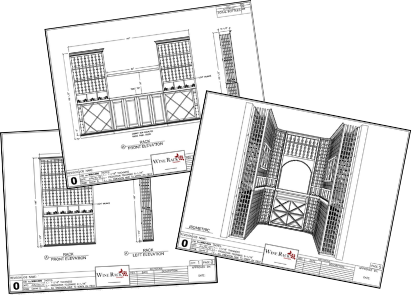
*Pictures are renderings. Actual wine racks may look different
The most flexible wine cellar is not always the one built to fit every inch. Upgrading modular wine racking systems can be a practical choice for a straightforward room when you want storage that can expand in sections. Custom racking is better suited to unusual spaces or collections that need specialized storage.
It makes sense to weigh flexibility against a tailored fit. Modular racks let you add storage over time, while custom storage can make use of angled ceilings, recessed walls, or the space beneath stairs. The right choice depends on the room, your collection, and how you expect it to grow.
This comparison explains how modular and custom systems differ in layout, expansion, bottle storage, and planning. You'll also learn when an upgrade may work in an existing cellar and when a tailored design may better suit the collection and space.
Key Takeaways
- Modular racks use standardized sections that suit straightforward layouts and can be expanded as your collection grows.
- Wall-mounted and floor-standing layouts require different planning for available space, support, and storage capacity.
- Hard-to-reach bottles and obscured labels can signal that your current arrangement no longer serves your collection well.
- Modular systems generally have a lower entry cost, while custom racking is designed around the room's specific dimensions and needs.
- Allowing for at least 20% more capacity than your current inventory can help your cellar accommodate future growth.
Table of Contents
What Is a Modular Wine Rack?
A modular wine rack uses standardized sections that can be combined, expanded, and sometimes rearranged. Metal or wood systems can work along a straight wall or in an alcove, while custom racking can accommodate unusual room shapes.
For a cellar, metal is less affected by temperature and humidity changes than wood, which can warp, crack, or loosen. A professional measures wall dimensions, alcoves, ceiling height, and bottle formats before planning an installation. A standard 750 mL bottle provides a useful reference, but mixed collections may need different spacing.
Standardized Modular Sections
Standard sections create repeatable rows and columns, making it simpler to extend a layout without redesigning every rack. A compact front-label module holding three bottles may fit in a row approximately 30-35 cm wide, depending on bottle diameter. Compared with custom work, standardized modules suit regular walls and alcoves better than angled ceilings or recessed spaces.
Metal racks retain their shape through cellar temperature and humidity changes. Wood offers a traditional appearance, but may warp, crack, or loosen over time. When adding modules or replacement parts, do not assume that racks are compatible based on brand name alone. The specific series and components need to match.
Storage Configurations
Modules may be arranged in single-deep, double-deep, or triple-deep configurations. Deeper racks can store more bottles within the same vertical space, but access may be less convenient. They can suit bulk storage, while single-deep rows keep bottles and labels visible.
Airflow matters, too. A professional positions racks so the layout doesn't obstruct the cellar's cooling circulation, especially around dense bottle groupings. A standard Bordeaux bottle measures 2.9 to 3.2 inches in diameter; Champagne bottles typically need 3.75 to 4 inches of clearance. Those differences affect slot selection and how closely modules can be arranged.
Professional Modular Rack Capacity Planning
For upgrading modular wine racking systems, a professional compares current inventory with planned growth and available wall or floor space. Planning for at least 20% more capacity than today's inventory can leave room for additions. This differs from choosing a fixed rack by current bottle count alone.
Before installation, measure the room and note obstacles, access paths, cooling equipment, and bottle types. Common problems include blocked airflow, hard-to-reach bottles, and modules that do not fit the room. A measured layout and compatible components help prevent these issues before installation.
| Option | Layout fit | Capacity approach | Best suited to |
|---|---|---|---|
| Single-deep modular | Straight walls or alcoves | Visible, accessible rows | Display and easy access |
| Double- or triple-deep modular | Vertical space | Two to three times single-deep volume | Denser storage |
| Custom racking | Unusual room shapes | Designed for specific dimensions | Angled ceilings or recessed walls |
Choose standardized modules for a regular layout and future expansion. Choose custom racking when the room's shape or bottle mix calls for a tailored fit.
Planning Professional Wall-Mounted and Floor-Standing Installations
Installation planning starts with the collection, room dimensions, and available support. For fewer than 30 bottles, wall mounting can preserve floor space. For collections exceeding 60 bottles, or expected to reach that size, a freestanding base with wall modules above can combine accessible storage with added capacity.
A professional maps the rack footprint against walls, ceilings, and nearby equipment before selecting its position. Leave at least 2 to 3 inches between racking and the ceiling or adjacent walls. That clearance helps the planned layout avoid a cramped fit and leaves room around the modules. The design also accounts for larger collections that may place substantial weight on one wall or floor area.
Wall support is a central part of heavy-duty installation. Modular racks should be anchored directly into wooden wall studs or a marine-grade plywood backer board, rather than standard drywall anchors for high-density storage. Behind drywall, the recommended backer for these racks is 3/4 inch marine-grade plywood. The installer considers the wall structure and planned bottle load when laying out anchors.
Weight grows quickly as bottles fill a rack. A 36-bottle wall column carries approximately 45-55 kg of glass and liquid before adding the rack's own weight. A 100-bottle column creates 300 lbs of vertical dead weight, while a 500-bottle assembly exerts 1,500 lbs on its floor or wall substrate. These examples show why professionals assess the supporting surface before installing a high-capacity layout.
Height and loading sequence matter, too. Modules stacked above approximately 1.8 m should be braced or tied back. After gradually loading a rack, fasteners should be rechecked 48 hours later. A professional can plan these steps alongside the rack layout, rather than treating support and installation as separate decisions.
Projects involving cooling, glass, or millwork may require coordination among designers, contractors, and wine cellar builders. That coordination helps align the rack position with cooling equipment and surrounding construction. A professional design plan can bring those elements together before installation; request a wine cellar design to explore how the layout could fit your room.
Signs a wine collection has outgrown its racks
A collection can outgrow its racks before every slot is full. Bottles that are hard to reach, labels hidden behind other bottles, or new purchases left outside the cellar can all signal that the layout no longer supports how you store and use your collection.
To upgrade an existing modular system, review the current layout, inventory, bottle formats, and room dimensions. Then plan compatible additions or vertical extensions, keeping frequently accessed bottles visible and within reach. If the collection needs storage the existing modules cannot provide, a more tailored arrangement may be a better fit.
Consider how the racks work in everyday use. If you have to move one bottle to reach another, or labels face away from where you usually view them, storage may be too dense or poorly arranged. A growing mix of Champagne, magnums, or display bottles can also reveal that standard slots do not meet the collection's needs.
- Access: Bottles are hard to remove without shifting neighboring bottles.
- Visibility: Labels are hidden, making it difficult to identify bottles in a display area.
- Overflow: New purchases are stored away from the racks or placed in temporary locations.
- Layout: Empty rack space is in the wrong area, while useful sections are already crowded.
Expansion works best when new sections follow the cellar's existing storage logic. A professional can extend modular metal racks vertically or add sections beside the current arrangement, then adjust the layout to separate display rows from bulk storage. This approach can preserve useful parts of the existing system while addressing the specific bottleneck, rather than treating every full rack as a reason to replace everything.
Capacity planning should account for more than the current bottle count. Allowing for at least 20% more storage than today's inventory can give the collection room to grow. The professional also considers which formats need wider spaces and whether future bottles will be stored for access, display, or longer-term organization.
During an upgrade, identify which modules can stay, where access is restricted, and where additional sections will fit. The revised layout should suit the collection's actual bottle mix and preserve practical routes through the cellar. If the room shape or storage needs exceed what standardized modules can handle, custom storage may fit better.
Custom wine rack systems offer more freedom for specialized storage needs, including Champagne, magnums, liquor bottles, or mixed display areas. 61% of modern collectors prioritize aesthetic display alongside maturation.
Budget and upfront costs
Modular wine racks typically have a lower entry cost than custom systems because their parts are pre-engineered and require less design and fabrication work. Custom storage costs more upfront because it is designed for a specific room. The choice is between ready-to-combine sections and racking designed around the cellar's shape.
Start by defining the upgrade's scope. Keeping usable modules and adding sections is different from replacing the arrangement with custom racking. The plan should also account for bottle formats, display areas, and available space. These details shape the design and work involved, so capacity alone does not determine the budget.
Material and configuration influence the plan. A straightforward wall of standardized sections needs less room-specific design than storage shaped around an angled ceiling or recessed wall. A deeper arrangement can change how many bottles fit within the same vertical area, while specialized spaces for Champagne or magnums may call for a different layout. Each choice affects the system being planned.
| Planning choice | Typical budget implication | Best fit |
|---|---|---|
| Standardized modular sections | Lower entry cost, with pre-engineered parts and less design work | Regular walls and expandable layouts |
| Custom racking | Higher upfront cost, with room-specific design | Unusual spaces or specialized storage |
| Mixed upgrade | Depends on retained modules and new design requirements | Cellars with usable existing racks and new constraints |
A useful estimate covers more than the racks. It should account for the layout, required sections, materials, and installation needs. If cooling, glass, or millwork is part of the cellar project, coordination among designers, contractors, and cellar builders may also affect its scope. Considering these elements gives you a more useful comparison than looking at bottle capacity alone.
Project cost depends on the design and scope. Materials, layout, storage needs, custom design, and project coordination can all affect it. No option is automatically the better value: a regular cellar may suit modular expansion, while an irregular room may justify the additional design work of custom storage.
Before choosing, compare what each proposal includes: the intended configuration, which existing racks can remain, and whether the plan serves display as well as storage. This helps distinguish a focused capacity upgrade from a broader cellar redesign and clarifies why the upfront costs differ.
Expandable cellar design and system costs
An expandable cellar plan considers more than the next rack section. It maps how storage, display, and cooling will work together as the collection changes. For example, a basement update can make it easier to rethink racking before walls, finishes, and equipment are in place. Retrofitting those choices later may be less straightforward and more costly.
Start with how you expect the collection to grow. Plan the initial modular layout with room for future sections, and identify where a custom element could fit later. Separate bottles intended for display from those stored in denser rows. Account for varied formats too, since Champagne and magnums may need different spaces from standard bottles.
Cost depends on the project's scope, not simply its bottle capacity. Consider which existing racks can remain, whether additional sections suit the room, and whether awkward dimensions call for custom work. An alcove may accommodate standardized modules, while an angled ceiling may need a tailored layout. These choices affect design and fabrication needs.
The project stage can affect the work involved. During a basement renovation or wine-room addition, plan the rack layout alongside the room. In an existing cellar, a retrofit may need to work around finished walls, installed cooling equipment, or limited access. Addressing these constraints early helps define the scope before installation.
Cooling is another design consideration. Rack placement affects how bottles, display areas, and equipment share the room, so a plan should account for the cellar's cooling system. If the room is being redesigned, coordinating wine cellar cooling with the racking can help align the equipment and storage layout. The right arrangement depends on the room and its design.
Compare the options by identifying what each phase is meant to accomplish:
- Expand now: Add compatible sections where the existing layout and room allow.
- Plan for later: Reserve suitable areas for additional modules or a custom feature.
- Redesign together: Coordinate racking, cooling, and room construction during a renovation.
The clearest takeaway: decide the cellar's long-term layout before committing to a short-term addition. That can show whether modular expansion remains practical or custom storage better serves the room. Project pricing depends on the layout, materials, and scope, and is provided after a quote request.
Timing is part of the cost comparison, not just a scheduling choice. Rethinking wine racking during a basement update or wine-room addition can be easier than retrofitting later. Consider the racking while either project is underway, before the room is complete. Decide whether to revisit the layout as part of the planned work or address it afterward.
Wine Rack Concepts
Wine Rack Concepts can bring modular and custom storage choices together in a coherent cellar plan. If your existing racks need to expand, its wine racks, including the Wall Wine Rack Series, can help shape a layout around the room and collection. For spaces that call for a tailored approach, custom wine cellars bring storage and design together, with wine cellar cooling as part of the overall plan.
When you're ready to discuss your existing modules, room dimensions, and plans for your collection, contact Wine Rack Concepts to talk through your wine storage needs.
Shape a Cellar That Can Grow With You
Your next storage decision can shape the cellar as your collection evolves. Treat upgrading modular wine racking systems as part of a larger design choice: consider bottle access, display, and future flexibility. If the existing layout no longer supports your plans, Wine Rack Concepts can help develop a configuration suited to the space and collection.
Wine Rack Concepts offers wine racks, wine cellar cooling, and custom wine cellar solutions. Together, these can bring storage, climate control, and room design into one considered plan, whether you're extending an existing arrangement or planning a tailored cellar. Contact Wine Rack Concepts to turn your priorities into a design conversation, guided by your room and collection.
A thoughtful plan can make your collection easier to enjoy now while leaving room for what comes next.
Frequently Asked Questions
Which modular wine rack systems are compatible with each other?
Compatibility depends on the rack's manufacturer, series, and connection design, so do not assume systems are interchangeable. Identify the existing rack, then compare its dimensions, fittings, and intended layout with the proposed sections. Wine Rack Concepts offers distinct Wall Wine Rack, Classic, Carpenter, and Vintner series. Knowing the series helps narrow the comparison, but the individual components still need to suit the installation.
How much does it cost to expand a modular wine racking system?
Project cost depends on scope. Key factors include which existing sections can remain, the number and type of additions, material choices, and whether the room needs a custom layout. A simple extension differs from a redesign involving unusual dimensions or coordination with cellar features. Comparing these project elements provides a clearer basis for evaluating the proposed work.
Can modular wine racks support larger bottles such as Champagne and magnums?
Yes, modular layouts can include storage planned for larger bottles, provided the selected sections have suitable clearances. Champagne bottles typically require 3.75 to 4 inches of clearance, while standard Bordeaux bottles usually measure 2.9 to 3.2 inches in diameter. A professional can account for the collection's formats when selecting or arranging modules. This helps avoid dedicating every slot to standard bottles when the collection includes larger shapes.
What are the weight limits and wall anchoring requirements for modular wine racks?
There isn't one weight limit that applies to every rack; the design, bottle load, and supporting wall or floor all matter. For a high-density wall installation, modules should be anchored into wooden wall studs or a marine-grade plywood backer, not standard drywall anchors. A professional assesses the planned load and support before installation. The rack's own weight also contributes to the total load carried by the structure.
How do professionals safely install additional wine rack modules?
Professionals first assess the existing system, room layout, and supporting structure, then plan compatible additions and anchoring. They install and secure the modules before loading them gradually, rather than placing the full bottle load on the rack at once. After gradual loading, fasteners should be rechecked 48 hours later. This sequence helps catch movement early and gives the installer a chance to address it before regular cellar use.
What are the best modular wine rack materials and finishes for a cellar?
Metal racking is a practical choice because it retains its shape through cellar temperature and humidity changes; traditional wood can warp, crack, or loosen. A compact matte-black steel module is one finish option mentioned.
Have an expert help today!
Free 2D wine cellar design