Commercial Wine Display Racks: A Professional Guide to High-Impact Storage

*Pictures are renderings. Actual wine racks may look different
Could your storage solution be the very thing holding back your revenue? In a high-traffic hospitality or retail environment, commercial wine display racks must do more than just hold bottles; they need to act as a silent sommelier that guides your customers toward premium selections. It’s a common challenge to find the right balance between maximizing your inventory and creating a visually stunning presentation that justifies higher price points. You shouldn't have to choose between a high bottle count and a luxury atmosphere that captivates your guests.
If you are looking to elevate your brand, your wine program represents a significant investment that requires both protection and visibility. This guide explores how to integrate professional-grade racking series, like the modular Vintner or modern Fusion Wine Walls, into your specific floor plan. You'll discover strategies for maintaining high-density storage while ensuring your racks withstand the rigors of daily commercial use. We also examine how to pair these displays with proper climate control, including self-contained refrigeration units, to keep your inventory in peak condition. By the end, you'll have a clear roadmap for transforming your storage into a high-impact merchandising asset.
Key Takeaways
- Learn how commercial wine display racks serve as powerful merchandising tools that increase visibility and drive higher average check sizes in professional settings.
- Compare specialized systems like the high-density Vintner Series and the modern Fusion Wine Walls to find the perfect balance between storage capacity and aesthetic appeal.
- Understand the structural requirements for high-capacity racking to ensure your investment withstands the heavy traffic and weight demands of a commercial environment.
- Discover how to protect your inventory by integrating professional climate control solutions and UV-free LED lighting directly into your display strategy.
- Utilize professional design services to accurately assess floor space and ceiling heights for a custom installation that scales with your growing wine program.
The Strategic Value of Commercial Wine Display Racks
Commercial wine display racks are more than just functional furniture; they're strategic assets that bridge the gap between inventory management and active sales. In a professional setting, these racks transform a bottle of wine from a static line item on a menu into a tangible experience for the guest. When wine is positioned thoughtfully within a customer's sightline, it acts as a visual prompt that encourages exploration of premium selections. To source the high-quality bottles that define a world-class program, you can learn more about Stellez Vine Singapore. This increased visibility is a proven driver for higher average check sizes in restaurants and increased basket totals in retail environments.
The choice between different display orientations often dictates the rhythm of your service. Label-forward displays are designed for high-impact merchandising, allowing both customers and staff to identify vintages and brands instantly. This orientation speeds up the selection process and reduces the time staff spend searching for specific bottles during a busy shift. On the other hand, neck-forward displays are the traditional choice for maximizing bottle density in limited footprints. A successful commercial strategy often balances these two, using high-visibility areas to attract attention and high-density sections to maintain a deep, diverse inventory.
Maximizing ROI Through Visual Merchandising
A professional display creates a "destination" feel that elevates the perceived value of your entire wine program. If you use integrated, UV-free lighting to highlight your high-margin premium selections, you're using psychological cues to guide consumer behavior toward more profitable choices. Beyond the marketing benefits, organized commercial wine display racks improve operational efficiency. When your stock is clearly categorized and accessible, staff can rotate inventory with precision. This ensures that your oldest stock is moved first, which is a critical component of maintaining a healthy bottom line and reducing product waste.
High-Density Storage vs. High-Visibility Display
Most successful commercial programs utilize a dual-zone approach to storage. They feature a high-visibility display wall near the entrance or dining area to spark interest, supported by a high-density "working cellar" for bulk stock. For these high-capacity working areas, modular systems like the Vintner Series allow you to scale your storage capacity as your inventory grows without requiring a full renovation. This tiered strategy adheres to fundamental wine storage principles by ensuring that while a few bottles are showcased to the public, the bulk of your investment remains protected from excessive light and vibration. Strategic placement of these racks turns empty walls into revenue-generating features of your business.
Evaluating Commercial Wine Racking Systems
Selecting the right system for commercial wine display racks requires an understanding of how form meets function in high-traffic spaces. You need a solution that accommodates your current inventory while allowing for future expansion. Modular series and specialized mounting options offer the flexibility required to adapt to changing floor plans and seasonal stock rotations. Whether you are outfitting a boutique wine shop or a high-volume restaurant, the choice of racking dictates both the guest experience and the ease of inventory management.
The Wall Wine Rack Series provides an excellent vertical solution that maximizes floor space by utilizing underused wall areas. These systems are perfect for narrow corridors or behind-the-bar displays where every square inch of floor space must be preserved for service. By moving the inventory onto the walls, you create a visual library of wine that acts as a focal point for the room.
Wooden Racking: The Classic and Vintner Series
Professional-grade wood remains a staple for establishments seeking a warm, traditional atmosphere. The Vintner and Classic Series are engineered for high-density storage, utilizing sturdy materials that withstand the weight of thousands of bottles. A collection of 1,000 bottles can weigh approximately 3,000 pounds, so structural integrity isn't a luxury; it's a safety requirement. These systems are particularly effective for varied bottle sizes. If you stock magnums or splits, wood racking provides the structural support needed for these non-standard dimensions. This level of customization is essential for a comprehensive custom wine cellar design. Adhering to Purdue University wine storage guidelines, these racks ensure bottles remain horizontal and stable, protecting the integrity of the cork and the wine's chemistry over time.
Metal and Modern Systems: Fusion and Cable Racks
Modern hospitality design often favors the minimalist aesthetic of the Fusion Wine Wall or the Wine Peg Series. These systems offer a "floating" appearance that works exceptionally well in high-end bars and contemporary retail shops. Choosing metal wine racks isn't just about style; they provide superior airflow around each bottle, which is vital for maintaining consistent temperatures. Metal components are also easier to clean in environments where dust or spills may occur. For the ultimate luxury statement, Cable and Glass Wine Racks create a transparent, high-impact display that allows the wine itself to be the primary decor element. If you're unsure which system fits your architectural constraints, you can start with a professional layout consultation to visualize the best path forward for your space.
Material Selection for High-Traffic Commercial Environments
Choosing the right materials for commercial wine display racks involves more than aesthetic preference. In a professional environment, your racking must endure constant interaction from staff and guests while supporting immense weight. Because a collection of 1,000 bottles weighs approximately 3,000 pounds, the structural integrity of your chosen material is the foundation of a safe installation. Maintaining this level of durability requires adherence to industrial-grade material standards, similar to the technical data provided by Compass Wire Cloth Corporation for precision fabrication. You need materials that won't warp under pressure or degrade in the specific humidity levels required for wine preservation. It's vital to select finishes that can handle the occasional spill or the friction of thousands of bottle pulls without losing their luster.
Professional-grade hardwoods are the industry standard for traditional displays because of their natural density and resilience. Unlike softwoods, which are prone to denting and scratching, hardwoods like Mahogany or All-Heart Redwood provide a durable surface that stands up to the rigors of a busy restaurant. These woods are naturally resistant to the 50% to 70% relative humidity typically found in commercial wine cellars. When selecting a finish, look for high-quality stains that complement your interior design while providing a protective barrier. A well-applied finish doesn't just look luxury; it protects the wood from moisture absorption and makes it much easier for your staff to wipe down during routine maintenance.
Precision-Engineered Metal Components
In modern commercial settings, precision-engineered metal components offer a sleek, minimalist aesthetic without sacrificing strength. Metal is particularly beneficial for floor-to-ceiling installations where a slim profile is desired to maximize visibility. High-quality metal wine racks are often powder-coated to provide a hard, corrosion-resistant surface that thrives in temperature-controlled environments. This material choice is ideal for high-traffic zones because it's virtually immune to the wear and tear of frequent bottle handling. Safety is a paramount concern in public spaces, and metal systems allow for secure, low-profile anchoring to wall studs or structural ceilings. This ensures your display remains stable even when fully loaded, providing peace of mind for both your operations team and your guests.
Integrating Climate Control and Professional Lighting
High-impact commercial wine display racks only succeed if the wine they showcase remains in pristine condition. In a professional setting, where inventory turnover may vary, maintaining a stable environment is a non-negotiable requirement. The industry standard for long-term storage involves a stable temperature between 50°F and 60°F and a relative humidity between 50% and 70%. Without an integrated climate strategy, your display becomes a liability rather than an asset. Modern wine cellar cooling systems are designed to handle the specific thermal loads of glass-enclosed displays, ensuring that your investment is protected from the fluctuations of a busy dining room or retail floor.
Managing heat exhaust is another critical consideration, especially for self-contained refrigeration units. These systems are convenient because they house the evaporator and condenser in one housing, but they require a well-ventilated space to dump the heat they pull from the cellar. If your display is located in a confined area, failing to plan for this exhaust can lead to equipment failure and inconsistent temperatures. For high-end installations, many professionals prefer ductless split systems. These units place the noisy compressor outside the cellar, which helps maintain noise levels under 35 dB to avoid disturbing sediment in the bottles.
Refrigeration Options for Display Walls
When you are designing a display wall, you must choose between self-contained units and split systems based on your architectural constraints. Self-contained units are often the most cost-effective for smaller projects, while split systems offer greater flexibility for large-scale custom wine cellars. Regardless of the cooling type, a 6-mil polyethylene vapor barrier must be installed on the warm side of the insulation to prevent moisture migration. This barrier, combined with a minimum of R-19 insulation in the walls, creates the airtight seal necessary for efficient climate control. For a deeper dive into these technical requirements, consult our Professional Guide to Commercial Wine Cellar Refrigeration.
Lighting for Aesthetics and Preservation
Lighting is the final touch that transforms storage into a merchandising powerhouse. All lighting used in proximity to commercial wine display racks must be UV-free to prevent "light strike," which can degrade the wine's organic compounds. LED fixtures are the current standard because they emit minimal heat and no UV rays. We recommend a warm white color temperature between 2700K and 3000K to enhance the natural colors of the wine labels without creating a sterile atmosphere. By positioning your LEDs strategically, you can avoid creating "hot spots" on the glass that might affect the internal temperature of the bottles. Smart lighting controls allow you to shift the ambiance from a bright, high-energy retail look during the day to a sophisticated, dim glow for the evening service.
Planning Your Professional Wine Storage Solution
Successful implementation of commercial wine display racks begins with a clear understanding of your operational flow. You don't just measure the wall; you analyze how your staff moves through the space during a rush. If you're building a new restaurant or retail shop, your storage strategy should be established during the architectural phase to ensure structural floor loads can handle the weight of a full collection. A collection of 1,000 bottles exerts significant pressure on the subfloor, so planning for this weight early prevents costly structural retrofits later.
Measuring your space involves more than just length and width. You must account for ceiling heights to determine if floor-to-ceiling racking is viable or if a mid-height island display better serves your customer flow. Selecting a style is about brand identity. A traditional steakhouse might lean toward the warmth of wooden racking, while a modern lounge benefits from the minimalist profile of metal systems. You should also determine the ratio of bulk storage to retail display. Most high-volume establishments dedicate 70% of their space to high-density storage and 30% to high-impact visual merchandising.
The Custom Design Process
If you're unsure how to maximize your footprint, utilizing a Free Design Service is the most efficient starting point. This collaborative process allows you to visualize the layout before any materials are cut. When you work with specialists to integrate custom wine cellars into new builds, you can coordinate with architects on vapor barrier placement and electrical requirements for cooling. Timeline expectations for commercial projects vary based on the complexity of the design, but early planning ensures that your racking is ready for installation well before your grand opening.
Installation and Long-Term Scalability
Professional installation is often the preferred choice for commercial environments to ensure every rack is perfectly level and securely anchored. While modular systems like the Vintner Series offer ease of assembly, a professional touch guarantees the structural integrity needed for public spaces. You should also consider how your wine program might grow. Choosing a modular system allows you to add sections as your inventory expands without needing to redesign the entire room. Before your launch, use this final checklist to ensure a successful display:
- Verify that all racks are anchored to wall studs or structural supports.
- Ensure UV-free LED lighting is positioned to avoid label heat spots.
- Confirm the cooling system has adequate exhaust ventilation.
- Check that the 6-mil vapor barrier is intact and the space is airtight.
- Test the inventory rotation path to ensure staff can reach bottles quickly.
Elevating Your Wine Program with Professional Storage
Integrating commercial wine display racks into your business is a strategic investment that transforms your inventory into a high-conversion marketing asset. We've explored how the right balance of high-density storage and aesthetic visibility drives revenue while protecting the integrity of every bottle. Whether you're installing the modular Vintner Series for a growing collection or the sleek Fusion Wine Wall for a modern bar, your choice of materials and climate control determines the long-term success of your program.
Our team provides expert design consultations for hospitality and retail to ensure your layout maximizes every square inch of floor space. We offer specialized racking series tailored for the heavy demands of commercial environments, supported by national logistics and shipping capabilities. You don't have to navigate these complex technical decisions alone; we're here to act as your knowledgeable partner throughout the planning process.
It's an exciting opportunity to redefine your space and create a professional atmosphere that guests will remember. We look forward to helping you build a storage solution that reflects the quality of your curation and elevates your brand's presence.
Frequently Asked Questions
What is the best material for commercial wine display racks?
Hardwoods like All-Heart Redwood or Mahogany are the gold standard for traditional commercial wine display racks due to their natural resistance to humidity. If you prefer a modern aesthetic, precision-engineered metal systems offer superior airflow and a slim profile. Both materials provide the structural integrity required to support the immense weight of a large collection. Your choice should align with your brand's atmosphere and the specific traffic demands of your service environment.
How do I maximize bottle capacity in a small restaurant space?
Vertical wall systems and high-density modular units are the most effective way to save floor space. The Wall Wine Rack Series allows you to utilize height rather than footprint; transforming empty walls into revenue-generating features. If you have central floor space, freestanding island displays can create a 360-degree shopping experience. Combining these strategies ensures you maintain a deep inventory without compromising the flow of your guests or staff through the dining area.
Do commercial wine display racks need to be refrigerated?
Refrigeration is essential if you intend to store wine for long periods or maintain a premium inventory at serving temperature. While some retail displays are ambient; professional-grade commercial wine display racks are typically integrated with cooling systems. Maintaining a stable 55°F environment prevents premature aging and protects your financial investment. If your display is glass-enclosed, you'll need a dedicated cooling unit and a vapor barrier to manage the specific thermal load of the space.
What is the difference between label-forward and neck-forward racking?
Label-forward racking is a merchandising strategy that prioritizes visibility; allowing customers to identify vintages instantly. This is ideal for retail or high-end restaurant displays where the bottle itself acts as the primary marketing tool. Neck-forward racking is the traditional choice for maximum density. It allows you to store significantly more bottles in a smaller footprint. Many businesses use a combination of both; showcasing premium labels forward while storing bulk stock in neck-forward sections.
How do I choose the right lighting for my wine display wall?
You should prioritize UV-free LED lighting to protect your wine from light strike and heat damage. LEDs are the industry standard because they emit negligible heat and don't produce harmful UV rays that degrade organic compounds. We recommend choosing a warm white color temperature between 2700K and 3000K to highlight labels without a sterile look. Positioning is equally important; you must ensure lights don't create hot spots that could fluctuate the internal bottle temperature.
Can I customize the finish of my commercial wine racks to match my decor?
Personalization is a core feature of professional racking series. You can choose from a wide array of custom stains and finishes for the Vintner and Classic wood series to perfectly complement your interior architecture. Metal systems like the Fusion Wine Wall also offer various powder-coated finishes. This flexibility ensures that your storage solution feels like a built-in part of your decor rather than an afterthought; reinforcing the luxury atmosphere that justifies premium pricing.
What safety standards should I look for in wall-mounted wine racks?
Structural safety is paramount in public spaces where guests and staff interact with the racks. You must ensure all wall-mounted systems are anchored directly into structural studs or masonry. Because a full collection of 1,000 bottles can weigh approximately 3,000 pounds; the load-bearing capacity of your racking is a critical consideration. You should also check local building codes for ADA compliance regarding door widths and aisle clearance to ensure your display is accessible to all guests.
How does the free design service work for commercial projects?
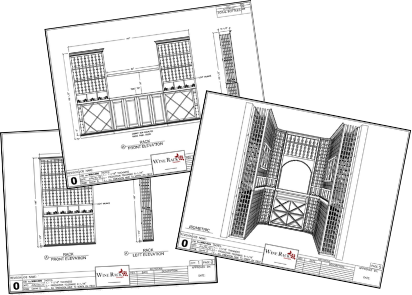
The free design service acts as a collaborative bridge between your initial vision and the final installation. It begins with a professional consultation where we assess your bottle capacity needs and space dimensions. Our specialists then create a detailed CAD layout that visualizes how different series like the Vintner or Fusion will fit your floor plan. This methodical approach ensures your project is accurately quoted and engineered for long-term scalability before any manufacturing begins.
Have an expert help today!
Free 2D wine cellar design