Basement Wine Room Conversion: The Professional Guide to Subterranean Cellars

*Pictures are renderings. Actual wine racks may look different
A basement is naturally cool, but without a precision-engineered microclimate, it is often a silent threat to a fine wine collection. You likely recognize the untapped potential of your subterranean space for a basement wine room conversion, yet the technical hurdles of moisture management and thermal envelopes can feel overwhelming. It is common to feel uneasy about mold damaging rare labels or the complexity of selecting a cooling unit that truly fits your floor plan. You want more than just storage; you want a sophisticated sanctuary for your vintages.
In this guide, you'll learn how to transform an unused area into a professional-grade, climate-controlled cellar that protects your investment and enhances your home value. We will demystify the essential requirements for vapor barriers and R-19 insulation while helping you navigate the choice between systems like WhisperKOOL and Wine Guardian. From the structural integrity of the Carpenter series to the modern aesthetics of Fusion wine walls, we provide a step-by-step roadmap to move from a raw vision to a finished, professional result.
Key Takeaways
- Learn how to manage the unique moisture risks of subterranean spaces by correctly positioning vapor barriers and achieving R-19 insulation standards.
- Discover the design possibilities for your basement wine room conversion, including the classic warmth of the Vintner series and the modern edge of Fusion wine walls.
- Understand the technical differences between self-contained and ducted split cooling systems from specialized brands like WhisperKOOL and Wine Guardian.
- Identify the best layout strategies to maximize bottle capacity while maintaining an accessible, display-ready environment for your collection.
- Realize the value of professional CAD design support in ensuring structural harmony and long-term climate protection for your wine investment.
The Benefits and Challenges of Basement Wine Room Conversions
A basement wine room conversion leverages the earth's natural ability to regulate temperature. Because subterranean walls are surrounded by soil, they benefit from a high thermal mass that resists the rapid fluctuations seen in above-ground rooms. This stability is the foundation of a healthy cellar, but it's only the beginning of the process. You aren't just building a room; you're engineering a vault designed for decades of protection.
Converting this space requires a shift in perspective. While the cool environment is an asset, the proximity to soil introduces the "subterranean trap" where moisture and humidity can easily compromise your collection if left unmanaged. Proper planning ensures that the natural benefits of the space aren't canceled out by structural oversights like poor drainage or inadequate sealing.
To better understand the technical requirements of this transformation, watch this helpful video:
Why Basements are the Gold Standard for Wine
The primary advantage of a basement is its inherent darkness. Light-strike can degrade wine quickly, causing photo-oxidation that ruins a vintage. The windowless nature of most basements provides a natural shield against UV rays. Additionally, utilizing this often-overlooked square footage is a strategic way to increase property value without the need for a costly home addition.
There is a clear distinction between active and passive wine cellars. A passive cellar relies solely on the natural conditions of the earth, which rarely stay at the required 55°F and 60% humidity year-round in most climates. A professional basement wine room conversion introduces active climate control to ensure your investment matures exactly as the winemaker intended, regardless of the season outside.
Identifying Potential Structural Obstacles
Before construction begins, you must evaluate the structural viability of the space. Ceiling height should allow for proper airflow above your racking, and the flooring must be able to support the immense weight of a full collection. Concrete floors are porous. They require specialized sealing to prevent moisture seepage from the ground below, which can lead to mold or damaged labels.
You should also audit nearby mechanical systems. Sump pumps, furnaces, or laundry units create vibrations that can disturb the sediment in aging bottles. It's best to isolate the cellar from these sources to maintain the quiet environment wine needs. If you're unsure how to navigate these obstacles, our free design service acts as a bridge between your raw basement and a finished, professional cellar.
Engineering the Shell: Vapor Barriers, Insulation, and Climate Control
A successful basement wine room conversion relies on more than just aesthetics; it requires a precision-engineered thermal envelope. You aren't simply finishing a room; you're building a specialized enclosure designed to maintain a constant 55-58°F and 60% humidity. If the shell isn't properly sealed, your cooling equipment will work twice as hard, leading to premature mechanical failure and inconsistent temperatures that can damage your collection.
The Science of Vapor Barriers and R-Values
The most critical component of your cellar's structural integrity is the vapor barrier. This non-permeable membrane prevents warm, moist air from migrating into the cold cellar environment and condensing inside your walls. Industry standards for vapor barrier and insulation engineering dictate that this barrier must be placed on the "warm side" of the insulation. In a subterranean setting, this means the barrier is applied to the exterior foundation walls or the side of the studs facing the rest of the home.
Insulation is equally vital for maintaining a stable microclimate. For a professional conversion, you should aim for a minimum of R-19 in the walls and R-30 in the ceiling. While rigid foam is an option, closed-cell spray foam is often the preferred choice for basements. It provides a high R-value per inch and acts as its own vapor barrier, creating a seamless seal that eliminates air gaps. This level of protection prevents the label rot and structural mold that often plague poorly insulated subterranean spaces.
Selecting a Professional Cooling System
Once the shell is sealed, you must select a cooling system sized for your specific heat load. This calculation accounts for the room's dimensions, the insulation quality, and the amount of glass used in the design. If you have a smaller space with adequate ventilation in an adjacent room, self-contained refrigeration units like those from WhisperKOOL offer a reliable, all-in-one solution. These units are designed for easy installation through a single wall opening.
For larger cellars or projects where silence is a priority, a split system or a ducted unit is often the better choice. Brands like Wine Guardian and CellarPro offer specialized systems that allow you to locate the noisy condenser in a mechanical room or outdoors. This configuration keeps the cellar quiet and free from mechanical vibration. If you're uncertain which system fits your architectural constraints, a professional design consultation can help you size your equipment accurately before construction begins.
Selecting the right hardware is a balance of capacity and placement. A ducted split system, for example, uses baffles to supply air quietly, making it ideal for cellars that double as tasting rooms. Regardless of the model, ensure your system includes a dedicated humidification control to keep your corks from drying out over time.
Choosing the Right Racking: Wood, Metal, and Modern Fusion Systems
Selecting the right storage system is the most visible stage of a basement wine room conversion. While the structural shell provides the necessary protection, the racking defines the atmosphere and functionality of the space. You must decide if your priority is maximizing bottle count or creating a visual showpiece for guests. In many subterranean projects, the choice of material is as much about durability in a high-humidity environment as it is about aesthetic preference.
Traditional Wood Racking for High-Capacity Storage
Traditional wooden wine racks remain a staple for subterranean cellars due to their timeless aesthetic and structural resilience. Woods like Redwood, Mahogany, and White Oak are naturally resistant to the high-humidity conditions, typically 55% to 75% RH, required for long-term aging. These materials don't just look sophisticated; they provide the sturdy support needed for thousands of pounds of glass and liquid.
The Vintner Series is particularly effective for collectors with evolving needs. Its modular design allows you to expand your storage as your collection grows, offering a custom look without the lead times of a fully bespoke build. If you prefer a more hand-crafted, furniture-grade finish, the Carpenter Series offers a refined, heavy-duty aesthetic that complements classic architecture. These series are engineered to withstand the unique environment of a converted basement without warping or degrading over time, ensuring your investment stays secure for decades.
Modern Metal and Glass Displays
Modern collectors often lean toward metal wine racks to achieve a cleaner, more industrial aesthetic. The Wall Wine Rack Series is designed to maximize airflow around the bottles. This is essential for maintaining uniform temperatures across the entire collection and preventing "hot spots" in corners. These systems often utilize a label-forward orientation, which has overtaken traditional cork-out racking in recent years because it allows for easy identification of vintages without disturbing the resting wine.
For those who want a striking focal point, Fusion Wine Walls combine the warmth of timber backer panels with the precision of metal pegs or rods. This creates a contemporary display that works well in basement lounges or tasting areas. If your project involves a high-end architectural look, an All Glass Wine Enclosure paired with Cable Wine Racks creates a "floating" effect. This design allows you to view your collection through thermal-break glass doors, turning the cellar into a piece of illuminated decor. Integrating these modern materials requires a balance of form and function, where the beauty of the display never compromises the climate-controlled seal of the room.
Optimizing Your Layout for Capacity and Accessibility
A successful basement wine room conversion requires a layout that maximizes every square inch while maintaining a logical flow. Basements frequently present architectural challenges like low-hanging ductwork, support columns, or uneven corners. You shouldn't view these as obstacles, but as opportunities for custom integration. By mapping your floor plan early, you can balance the desire for high bottle counts with the need for a comfortable tasting area or walking paths.
Adopting a "zone" approach helps organize your collection effectively. You might dedicate the primary focal wall to presentation racks that showcase your finest vintages, while using bulk storage areas for daily drinkers. If you have significant quantities of the same varietal, diamond bins and case storage are excellent for efficiency. Managing corners is equally vital; using curved corner racks or transition units ensures that no "dead space" is left in the room, allowing for a seamless aesthetic from wall to wall.
Planning for High-Capacity Systems
If your goal is to house a collection of 1,000+ bottles, you need to consider a high capacity wine storage system that utilizes vertical space and depth. Double-deep racking allows you to store two bottles in the same footprint as one, effectively doubling your capacity without expanding the room's dimensions. For long-term aging of rare vintages, Wine Lockers provide a structured, secure environment that keeps your most valuable assets organized and protected.
- Diamond Bins: Ideal for bulk storage and assorted bottle sizes.
- Triple-Deep Metal Pegs: Perfect for a modern, label-forward look with high density.
- Wood Case Racks: Designed specifically for original wooden cases to prevent sliding.
Lighting and Finish Details
Lighting is a critical factor in maintaining your microclimate. Legacy halogen bulbs emit significant heat, which can cause temperature spikes and force your cooling unit to cycle more frequently. You should exclusively use wine-safe LED lighting with a low UV profile to prevent "light-strike" and keep heat levels minimal. These fixtures should be placed strategically to highlight your collection without creating direct heat points on the glass.
Your choice of flooring and finishes must also account for the subterranean environment. Moisture-resistant materials like tile, stone, or specialized cork are the industry standard. These materials don't just look elegant; they withstand the 60% humidity levels without warping or harboring mold. To complete the seal, a heavy-duty metal cellar door with a proper thermal break ensures that your climate control remains efficient and your investment stays secure.
Designing Your Professional Basement Cellar with Expert Support
A basement wine room conversion is a sophisticated engineering project that requires more than just a vision; it demands a precise blueprint. While the technical requirements of insulation and climate control are the foundation, the integration of these elements into a functional, beautiful space is where many DIY projects falter. Attempting to manage the complex interplay between thermal loads, structural racking, and moisture management without a formal plan often leads to costly mid-construction corrections. You aren't just building a storage room; you're creating a controlled environment where every component must work in perfect harmony.
Why Professional Design is Essential
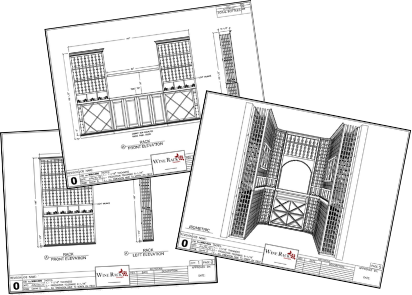
Professional CAD design acts as the bridge between your raw basement space and a finished, professional-grade cellar. If you rely on guesswork for cooling unit placement or racking dimensions, you risk inefficient airflow and "dead zones" that can lead to temperature stratification. A detailed design ensures that your selected cooling system is sized correctly for the specific cubic footage and heat load of your subterranean enclosure. This level of planning is the only way to avoid common wine cellar design mistakes that could compromise your collection years down the road.
Visualizing your space before construction begins allows you to experiment with different aesthetics and layouts. You might find that a combination of high-capacity storage and a modern focal point provides the perfect balance. By seeing these elements in a 3D rendering, you can adjust the height of your racking to accommodate low-hanging ductwork or columns, ensuring a seamless fit that looks like it was built into the home’s original architecture. This foresight saves time, reduces material waste, and guarantees that the final result matches your initial inspiration.
Get Started with Your Free Design
Moving from the planning phase to installation is a collaborative journey. The Wine Rack Concepts, LLC process begins with your specific basement measurements and a conversation about your collection goals. Whether you're housing 500 bottles or 5,000, our master craftsmen work with you to select the materials that best suit your environment. If you prefer the classic durability of traditional wood or the sleek visibility of modern metal series, we integrate those choices into a cohesive blueprint that includes your lighting and flooring requirements.
Taking the first step is simple and requires no commitment. By providing your room dimensions and a few details about your preferred style, you receive a professional design that serves as your roadmap for the entire conversion. This consultation helps you navigate the technical nuances of your specific project, acting as a seasoned guide to simplify complex decisions. Start your transformation with a free wine cellar design and ensure your subterranean cellar is built to professional standards.
Elevate Your Collection with a Professional Subterranean Cellar
A successful basement wine room conversion is a blend of precision engineering and aesthetic vision. Establishing a robust thermal envelope with R-19 insulation and a continuous vapor barrier creates the necessary environment for long-term aging. Whether you select the hand-crafted durability of the Vintner series or the modern lines of Fusion wine walls, your layout should prioritize both bottle capacity and seamless accessibility.
As an authorized dealer for specialized cooling systems like WhisperKOOL and Wine Guardian, we ensure your mechanical requirements are met with technical precision. Our American-made metal components and expert CAD design services provide the structural harmony needed for a high-end result. You don't have to navigate these complex structural decisions alone.
Transforming your unused basement into a world-class wine room is an investment in both your home and your passion for curation. We look forward to helping you build a space where your finest vintages can rest in perfect security.
Frequently Asked Questions
Do I really need a vapor barrier for a basement wine room?
A vapor barrier is essential for any basement wine room conversion to prevent moisture from condensing inside your walls. Without this non-permeable membrane, warm air from the rest of your home meets the chilled cellar air, creating condensation that leads to structural rot and label damage. You should install a 6-mil polyethylene barrier on the warm side of the insulation or use closed-cell spray foam to create a seamless, moisture-proof seal.
How much does it cost to convert a basement into a wine cellar?
The cost of a subterranean conversion depends on the scale of your project, the choice of climate control, and the complexity of the racking. Factors such as structural preparation, specialized cooling units like WhisperKOOL, and premium wood series like the Carpenter or Vintner all influence the final investment. Because every basement has unique insulation and electrical requirements, we recommend a custom design consultation to establish a clear budget for your specific architectural needs.
Can I use a regular air conditioner for my basement wine room?
Standard air conditioning units are not suitable for wine storage because they are designed to remove humidity and maintain temperatures around 70°F. Wine requires a stable 55°F and relative humidity between 55% and 75% to prevent corks from drying out. Using a dedicated system from Wine Guardian or CellarPro ensures your collection matures correctly while protecting the mechanical integrity of the unit in a high-humidity environment.
Is it safe to store wine near a basement furnace or water heater?
Storing wine near heat-generating appliances like furnaces or water heaters is not recommended. These units create significant temperature fluctuations and mechanical vibrations that can disturb the sediment in aging bottles. For a professional basement wine room conversion, you should isolate the cellar space as far as possible from mechanical rooms. If proximity is unavoidable, high-performance insulation and vibration-dampening materials are necessary to protect your investment.
What is the best insulation for a subterranean wine cellar?
Closed-cell polyurethane spray foam is the industry standard for insulating subterranean cellars. It provides a high R-value per inch and acts as its own vapor barrier, which is critical for the porous concrete walls found in basements. You should aim for a minimum thermal rating of R-19 for walls and R-30 for ceilings. This ensures your cooling system operates efficiently without struggling against heat transfer from the surrounding earth or upper floors.
How long does a basement wine room conversion typically take?
The timeline for a professional conversion typically ranges from several weeks to a few months, depending on the scope of construction. Structural preparation, including the installation of vapor barriers and dedicated electrical lines, must occur before racking and cooling systems are installed. Utilizing modular systems like the Vintner Series can often streamline the process. A professional CAD design helps establish a logical construction schedule, moving your project efficiently from inspiration to the final bottle placement.
Do I need to reinforce my basement floor for a large wine collection?
Most concrete basement floors provide sufficient support for standard wine collections, but high-capacity systems require careful weight calculation. A single bottle of wine weighs approximately three pounds; a 1,000-bottle cellar adds 3,000 pounds of static load to a small footprint. If you are installing heavy wood racking like the Carpenter Series or deep diamond bins, it's wise to have a structural assessment to ensure your foundation can handle the concentrated weight over time.
Have an expert help today!
Free 2D wine cellar design