American Made Wine Racks for Homes and Businesses

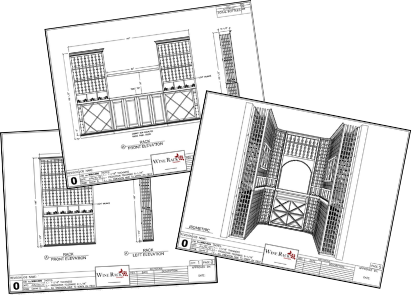
*Pictures are renderings. Actual wine racks may look different
American-made wine racks are best chosen for fit as well as origin. Choosing American made wine racks lets you prioritize domestic manufacture, but origin alone doesn't tell you whether a design suits your collection, room, or business. Capacity, materials, layout, and intended use matter too.
If you're considering American made wine racks, compare more than country of origin. This guide explains how to assess materials, finishes, dimensions, storage needs, and design for a home or business. Use these factors to find American made wine racks that fit your space and collection.
Key Takeaways
- Compare materials and finishes by how they complement the room and the way the rack will be used.
- Match residential or commercial storage to the space's layout, display needs, and collection.
- Understand how rack design and bottle capacity shape price, without relying on a one-size-fits-all estimate.
- Consider wood options for the look and feel you want in your storage space.
- Assess whether a freestanding system suits your layout, or whether a wall-mounted approach is a better fit.
Table of Contents
Why Choose American-Made Wine Racks?
Choosing American-made racks means weighing origin alongside material, construction, and design. Domestic production may matter to you, but a rack's country of manufacture alone doesn't determine whether it suits your room or collection.
Materials and Finishes
Start with the material, then compare finishes with nearby cabinetry, flooring, or furnishings. Wood grain, stain, and lacquer affect a rack's appearance, while metal systems offer a different look. View finish samples beside the surfaces where the rack will go, and consider how mixed-material designs combine metal supports with wood details.
An open metal wine wall, for example, can complement a contemporary interior, while a wooden rack may suit a more traditional room. Compare how the design displays bottles as well as how its materials look. If sourcing matters, distinguish where the rack is made from where its materials come from.
American Craftsmanship
A product's country of manufacture doesn't describe every production step. Look for product-specific details about where components are made and where the rack is assembled. Then assess visible features such as joints, edges, and finish consistency. These details help you judge the rack itself instead of treating domestic origin as a substitute for examining its construction.
Not every product is made in America, even when a manufacturer offers domestic options. Check the origin statement for the specific rack under consideration. Different materials or product lines may have different manufacturing details, so don't apply one item's origin claim to an entire catalogue.
Custom and Made-to-Order Racks
US manufacturers offer custom and made-to-order wine racks that can suit unusual room dimensions, alcoves, or design preferences. Start by defining the available width, height, and depth, then consider the material, finish, and bottle display you want. A clear brief makes it easier to compare designs and determine which details need to be customized.
American made wine racks are an option for custom projects when domestic production is a priority. Compare the proposed design's dimensions, materials, and stated manufacturing origin. The word "custom" alone doesn't explain which parts are tailored, so review the configuration details.
Verifying US Manufacturing
To assess a rack's origin, review the statement for that specific product and note whether it refers to manufacturing, assembly, or design. These terms describe different activities. Check whether the statement applies to the complete rack or only certain components, especially when a design combines materials.
Compare the product description with its packaging or written manufacturer information for consistent wording. "Designed in America" identifies the design location, not necessarily the manufacturing location. Product-specific language helps distinguish these claims when comparing American made wine racks.
Residential and commercial wine storage
A home collection and a hospitality venue need different storage plans. In a dining room, a wine wall can make bottles part of the decor. In a restaurant, storage may need to support organized access and a cohesive presentation. Start by identifying who uses the space, what needs to be stored, and how the rack should fit.
Residential storage and inspiration
At home, begin with the room's purpose. A kitchen display may keep favorite bottles visible, while a dedicated cellar can organize a broader collection. An alcove, dining room wall, or underused area can each shape the layout. Measure the intended space, note doors and walkways, then decide whether the rack should blend in or become a focal point.
Consider how you use your collection, too. If you select bottles for dinner often, arrange storage for easy viewing and access. If the room is mainly for aging and organization, a more orderly, less display-focused layout may suit it better. A custom plan can account for room dimensions, existing finishes, and the collection's mix.
Commercial wine storage
Restaurants, tasting rooms, and other hospitality spaces often balance storage with presentation. A restaurant might place a featured selection near the dining area and keep additional inventory in a separate zone. A tasting room may use a wine wall to connect the bottles visually with the guest experience. In each case, the layout should reflect staff movement and how customers encounter the space.
For a commercial project, map the workflow before settling on a design. Identify where bottles arrive, where staff retrieve them, and which selections need to stay visible. Consider how storage relates to service areas, seating, and circulation. These practical details help determine whether one continuous installation or distinct storage zones better suit the venue.
Planning a layout
Use a simple sequence to clarify the project:
- Record the room's dimensions and fixed features, such as doorways or cabinetry.
- Separate bottles intended for display from those kept in organized storage.
- Choose a location that suits access, presentation, and the room's function.
- Match the rack's material and finish to nearby surfaces and furnishings.
A home cellar and a commercial display also differ in how they shape the surrounding room. A cellar can be planned as a dedicated destination, while a restaurant installation may need to complement existing decor. If the layout involves a specific wall, alcove, or cellar, planning the wine storage layout can help bring those details together before choosing a system.
Wine rack prices and bottle capacities
For a cellar, kitchen, or countertop, choose a rack by available space, bottle access, and display needs. Price depends on material, dimensions, capacity, and design, and is provided after a quote request.
Prices and Product Examples
Compare complete designs, not price alone. A compact countertop rack serves a different purpose from a cellar system or built-in wall display. Materials, finish, construction, and whether a design is standard or custom all affect the project's scope. Record these features alongside the quoted price to make the comparison useful.
Display options also shape the decision. A wall-mounted arrangement can make bottles a visual feature, while a freestanding rack can define a storage area without relying on a wall. A kitchen installation may prioritize convenient access, while cellar storage may emphasize an organized layout. Match each design to its intended setting.
Bottle Capacities
Capacity describes how many bottles a rack is designed to hold, but the stated total is only a starting point. Bottle shape and the rack's arrangement affect how well a particular collection fits. Compare the design's listed capacity with the bottles you plan to store, especially if your collection includes varied bottle shapes.
For a kitchen or countertop, consider the rack's footprint and whether bottles remain easy to reach. In a cellar, think about how the system will organize the collection and whether the layout leaves room to move. A larger stated capacity isn't automatically better if it crowds the space or makes bottle selection awkward.
Before choosing, separate practical requirements from visual preferences. Note the installation area, which bottles need regular access, and whether the rack should display labels or keep bottles more discreetly arranged. These decisions narrow the options without relying on capacity alone.
A homeowner with a small kitchen, for example, may prefer a compact display near a serving area. A cellar project may call for connected storage that makes efficient use of available wall space. A business might prioritize a display that supports the room's presentation while keeping bottles accessible to staff. Because these projects have different purposes, their capacities and layouts aren't interchangeable.
Use the quote process to compare like with like. Include the same location, materials, finish, storage arrangement, and capacity needs in each project description. Then weigh each proposed design against how you'll use the space. This makes price differences easier to understand and helps distinguish useful storage from capacity that won't serve your collection.
Wood wine racks
Wood brings natural grain and warmth to wine storage, while the species and finish shape its appearance. White oak, for example, can complement traditional cabinetry as well as clean, contemporary interiors.
Compare samples in the room where the rack will go. A finish that looks pale under showroom lighting may appear warmer beside existing floors or cabinets. Check how the grain, stain, and sheen relate to nearby surfaces. For a mounted rack, consider how its color reads against the wall, not just beside a small sample.
Construction details matter as much as appearance. Look closely at joints, edges, and finish consistency across visible surfaces. A rack in a dining area, for example, may be viewed from several angles, making its exposed sides part of the overall design. In a cellar, you may focus more on how sections align and connect.
Choose a wood species and finish that suit the room and its intended use. Consider whether bottles will be displayed in a kitchen, arranged in a cellar, or incorporated into a custom wine space. Account for nearby cabinetry, lighting, and wall color, too. These details help narrow your choices before you settle on a material and finish combination.
Domestic manufacturing and domestic material sourcing are separate questions. A rack can be manufactured in the United States without every component or its wood supply originating there. If material origin matters to you, focus on the wood itself and its stated source, not only the rack's manufacturing location. This distinction is useful when comparing wood options.
Sustainable sourcing also calls for specific information. Identify the wood species and review the sourcing details provided for that material. A natural finish or domestic manufacturing claim alone doesn't establish responsible forestry. When comparing two white oak racks, for example, consider their stated wood sources, finishes, and construction separately.
For a residential cellar, wood can coordinate storage with shelving, cabinetry, or a tasting area. A wall-mounted design may suit a narrow room, while a larger installation can make use of available wall space. In either case, plan around doors and walkways, and consider bottle visibility before finalizing the layout.
Use a simple comparison process: choose a species, review finish samples, inspect construction details, and distinguish manufacturing origin from wood origin. Then assess how the rack fits the room and collection. This keeps appearance, material sourcing, and layout distinct, helping you choose a wood system that's practical as well as visually considered.
Freestanding wine storage systems
A freestanding rack rests on the floor rather than relying primarily on a wall for support. That distinction can help in a cellar, dining area, or commercial space where wall placement is limited. A floor-standing unit, for example, can define a storage zone beside a tasting table. Its position, footprint, and access should all suit the room.
Start by measuring the intended location, including nearby doors, walkways, and furniture. Then compare the rack's stated dimensions with the usable floor area. A system that fits along one wall may still obstruct a doorway or narrow a route through the room. Leave practical access for selecting and returning bottles, especially where several people share the space.
Next, consider how the unit will function in the room. A cellar may call for orderly storage, while a dining room may benefit from a display visible to guests. In a restaurant, placement should work with staff movement and service areas. A freestanding system can serve either purpose, but its layout and appearance should suit the setting.
Before choosing a design, assess these details:
- Footprint: Compare the full base dimensions with the floor area, not just the visible front.
- Access: Consider whether a bottle can be reached without moving nearby furniture or interrupting a walkway.
- Capacity: Match the stated bottle capacity to the collection and the available space.
- Display: Decide whether labels should face outward or bottles should sit in a more discreet arrangement.
- Finish: Relate the rack's material and color to nearby flooring, cabinetry, or furnishings.
Stability matters in any floor-supported design. Review the product's installation instructions and intended placement before loading it. An uneven floor may require a different location or installation approach. Plan the final position in advance, since moving a loaded system can be difficult.
For a cellar project, consider how the freestanding unit relates to surrounding storage and the room's overall layout. One rack may suit a focused collection, while several pieces can create zones for different bottle groups. At home, that might mean separating everyday selections from bottles reserved for special occasions. In a business, grouping can support staff access and presentation.
A considered plan connects capacity, footprint, access, and display before selecting a storage system. Plan a freestanding wine storage layout
Wine Rack Concepts
Wine Rack Concepts helps translate storage priorities into a considered wine rack plan for a home or business. Turn to the team when you're comparing materials, bottle capacity, display, or how a rack should fit your space. Product origin can vary, so evaluate the specific rack you're considering rather than assuming every option is made in America.
For a distinctive room or layout, a custom wine cellar can bring storage and design together. The Wall Wine Rack Series may suit a space where wall display is central, while wine cellar cooling can be part of a climate-controlled cellar plan. The right combination depends on the room and the collection.
Contact Wine Rack Concepts to discuss your wine storage project.
Make Your Wine Storage Plan Your Own
Turn your preferences into a clear project brief: note the intended location, display style, and preferred materials. If American made wine racks are a priority, include product origin among the details you compare. This helps you assess whether a particular rack suits your space and collection, rather than choosing by origin alone.
Wine Rack Concepts, LLC offers wine racks, wine cellar cooling, and custom wine cellar solutions for residential and commercial projects. The right direction depends on whether you need storage alone or a coordinated cellar plan.
A thoughtfully planned wine space can make your collection feel at home.
Frequently Asked Questions
What materials are used in American-made wine racks?
American-made wine racks can feature wood, metal, or acrylic, depending on the design. Wood finishes include stain and lacquer, and some rack systems incorporate glass. Manufacturing origin can vary by product, so assess the specific rack rather than assuming every product from a manufacturer is made in America. For a home project, consider how the material coordinates with existing cabinetry and finishes.
How much do American-made wine racks cost by size and material?
The price depends on the rack's size, material, design, and project requirements, and is given after a quote request. A wood rack for a compact space and a larger, integrated cellar project involve different choices and scopes. To compare options meaningfully, specify the intended location, preferred material, finish, and storage layout. Those details help define what the project includes and what influences its price.
How do American-made wine racks compare with imported racks in quality and price?
Country of origin alone doesn't establish a rack's quality or price. Compare construction, materials, finish, dimensions, and design, then consider the product's stated manufacturing origin. Two racks with different materials or layouts aren't direct comparisons, even if they serve similar collections. A like-for-like comparison focuses on equivalent features and project scope, rather than treating domestic or imported origin as a guarantee of quality.
What sizes and bottle capacities are available for American-made wine racks?
Rack dimensions and bottle capacity vary by design, so there isn't one capacity that applies to every system. For a useful reference, the Wall Wine Rack Series is 12 inches deep, the Classic Series is 12 ¼ inches, the Carpenter Series is 13 ¼ inches, and the Vintner Series is 13 ½ inches. Compare the selected design's stated capacity with your collection and the available installation space.
What brands make wine racks in the USA?
Wine Rack Concepts, LLC describes its wine storage products as made in the USA.
Which wine rack manufacturers specify that their products are made in the USA?
Wine Rack Concepts, LLC describes its wine storage products as made in the USA.
Have an expert help today!
Free 2D wine cellar design