The Definitive Guide to Custom Wine Racks: Design, Materials, and Professional Storage

A wine cellar is rarely just about storage; it's an engineering project disguised as a piece of architectural art. You've likely spent years curating a collection that reflects your personal taste, so the thought of placing those bottles on flimsy, ill-fitting shelves is understandably unsettling. If you're worried about wasting resources on a layout that doesn't fit your room or outgrowing a fixed system too quickly, you aren't alone. Investing in custom wine racks is the most effective way to ensure your collection remains protected while turning a spare corner or a dedicated room into a sophisticated focal point.
This guide will help you transform any available square footage into a professional-grade cellar by exploring the nuances of style, material durability, and essential climate control. We'll examine the differences between classic wood aesthetics and modern metal systems to help you choose a solution that balances timeless beauty with structural integrity. You'll learn how to navigate various configurations, from our modular Vintner Series to the minimalist appeal of the Wine Peg Series, ensuring your storage grows alongside your passion. By the end, you'll have a clear roadmap for creating a visually stunning showcase that offers optimal protection for every bottle in your care.
Key Takeaways
- Identify why precision manufacturing in custom wine racks is the essential foundation for bottle safety and long term collection value.
- Evaluate the structural and thermal differences between traditional wood and contemporary metal to choose the right material for your specific cooled environment.
- Master the series approach to design by utilizing the Vintner or Carpenter lines to achieve a tailored look with predictable, high end quality.
- Discover modern innovations like Fusion Wine Walls and Wine Pegs that maximize available square footage through minimalist, label forward displays.
- Understand how to integrate professional climate control and specialized cellar doors to create a complete, protected ecosystem for your aging wine.
Table of Contents
- What Defines a Custom Wine Rack System in 2026?
- Material Selection: Comparing Wood and Metal Racking
- Exploring the Core Racking Series: Vintner, Carpenter, and Classic
- Modern Innovations: Fusion Walls, Cable Systems, and Wine Pegs
- The Complete Cellar Ecosystem: Cooling, Doors, and Design
What Defines a Custom Wine Rack System in 2026?
Custom wine racks are precision-engineered storage tailored to specific spatial dimensions and climate requirements. Unlike generic shelving, these systems are designed to integrate seamlessly with the unique architecture of your home. They provide a structural foundation that respects the delicate nature of aging wine while maximizing every inch of available space. When you move beyond basic storage, you're investing in a system where custom wine racks serve as both a functional tool and a centerpiece of interior design.
The distinction between off-the-shelf kits and architectural racking lies in the details of manufacturing. Precision-cut components ensure that bottles rest at the correct angle to keep corks moist and prevent oxidation. This level of craftsmanship also prioritizes label visibility, making it easy to manage your inventory without constantly moving bottles. As preferences for Wine rack materials and design evolve, the focus has shifted toward systems that offer high-capacity storage without sacrificing aesthetic harmony. Using a series-based approach, such as our Vintner or Classic lines, allows you to achieve a cohesive, high-end look with the reliability of proven architectural standards.
Custom vs. Modular: Which Path for Your Collection?
Big-box modular units often present significant limitations, such as wasted space in corners or gaps near the ceiling. These units aren't built to accommodate the specific cooling needs of a conditioned cellar, which can lead to warping or instability over time. Choosing a custom path ensures a perfect fit and finish, eliminating awkward transitions. This choice also impacts your home's long-term value. A professionally designed cellar is a sought-after feature for luxury buyers, often providing a better return on investment than temporary, freestanding furniture.
Material Selection: Comparing Wood and Metal Racking
Choosing the right material for your cellar is a decision that balances structural requirements with the atmosphere you want to create. While traditional wood offers a sense of heritage, metal provides a rhythmic, minimalist aesthetic that suits modern architecture. Both materials must perform under the constant 55-degree temperature and 60% humidity levels typical of a professional environment. The way these materials react to thermal shifts determines the longevity of your custom wine racks. If a material can't handle the moisture, it may warp or degrade, potentially compromising the safety of your collection.
Maintenance requirements also vary significantly between these two choices. Wood is naturally forgiving, often requiring little more than a stable environment to maintain its integrity for decades. Metal systems, while incredibly durable, may show fingerprints or dust more readily on polished surfaces, requiring occasional cleaning to keep the display looking its best. The aesthetic impact is often the deciding factor; wood brings a library-like warmth to a room, while metal creates a sharp, gallery-style focus on the bottles themselves.
Traditional Wood Racking: Timeless Elegance
Wood remains the standard for high-capacity cellars due to its structural strength and classic appeal. Species like Redwood and Mahogany are specifically prized for their natural resistance to rot and mildew, making them ideal for the damp conditions of a cooled room. Alder is another sophisticated option, offering a uniform grain that takes low-VOC stains beautifully. It is vital to avoid standard oil-based stains. These can release harmful vapors that might penetrate the cork and taint the wine over time. Unfinished wood is often the safest choice for long-term aging, as it allows the natural beauty of the timber to age alongside your vintages.
Contemporary Metal Systems: The Modern Edge
Modern custom wine racks frequently utilize precision-milled aluminum or steel to achieve a floating effect. These systems are excellent for smaller spaces where you want to maintain a sense of openness. You can choose between neck-forward styles for high density or label-forward configurations that turn your wine into a visual narrative. Beyond the look, metal's slim profile allows for maximum airflow. This ensures that cooled air from your refrigeration unit circulates evenly around every bottle, preventing the "hot spots" that can occur in densely packed wooden bins. If you're interested in blending these styles, exploring a custom wine cellar design that incorporates both materials can provide the best of both worlds.
Exploring the Core Racking Series: Vintner, Carpenter, and Classic
Achieving a professional result in a wine room requires more than just high-quality wood; it demands a structured design language. Our core racking series provide a framework that bridges the gap between total custom millwork and modular kits. By utilizing these established series, you can ensure your custom wine racks maintain a consistent architectural flow while meeting specific storage requirements. Whether you are managing a massive private collection or designing a small, high-impact showcase, choosing the right series allows for predictable quality and a cohesive aesthetic.
Because we've prioritized quality craftsmanship since 2010, each series benefits from domestic quality control that imported alternatives simply can't match. This local oversight is particularly important when mixing different styles. If you choose to combine the high-density storage of one series with the decorative elements of another, the precision-milled components will align perfectly. This level of detail prevents the structural gaps and uneven lines that often plague lower-end, imported systems.
The Vintner Series: Professional Scale
The Vintner Series is engineered for collectors who need to optimize their space for high bottle counts without sacrificing accessibility. It offers modular versatility within a custom-built framework, allowing you to scale your storage as your collection grows. If you want to create a social hub within your cellar, this series easily integrates display rows and tasting station options. It's a robust solution for high-capacity environments where inventory management is just as important as visual appeal. The design focuses on keeping labels visible and bottles secure, ensuring that even the most extensive collections remain organized and easy to navigate.
The Carpenter Series: Artisanal Detail
If your goal is to create a residential showcase that feels like a piece of fine furniture, the Carpenter Series is the ideal choice. This series focuses on clean lines and substantial material thickness, utilizing traditional joinery that reflects the skills of a master craftsman. These racks are deeper than standard units, providing extra protection for your bottles. They're also highly customizable in terms of height and depth, making them perfect for non-standard bottles like Magnums or wide-bottomed Champagne vintages. The Carpenter Series turns a functional storage area into a sophisticated design statement that adds significant character to any home.
The Classic Series remains a favorite for those who appreciate the traditional roots of wine storage. It provides a heritage cellar feel with a wide range of stacking modules that can accommodate various ceiling heights. Many of our clients find that mixing and matching these series is the best way to create a unique multi-zone display. You might use the high-density Vintner Series for your bulk storage and the artisanal Carpenter Series for a central feature wall. This approach allows you to tailor your custom wine racks to your specific lifestyle, ensuring your cellar is both a working storage space and a stunning visual gallery.

Modern Innovations: Fusion Walls, Cable Systems, and Wine Pegs
Modern storage has evolved into a visual narrative where the hardware becomes as much a part of the decor as the wine itself. While traditional series provide a solid foundation, innovations like Fusion Walls and Cable systems offer a lighter, more transparent aesthetic. These systems allow you to showcase your collection in areas of the home where heavy wooden cabinetry might feel overwhelming. By utilizing custom wine racks that prioritize minimalist hardware, you can turn a simple hallway or a glass-enclosed niche into a high-impact gallery.
The Fusion Wine Wall is a prime example of this evolution, blending sturdy metal hardware with high-quality wood backdrops. This combination allows for a customized look that can match existing cabinetry while maintaining the slim profile of metal racking. The 'Fusion' approach serves as the ultimate transitional design for 2026 interiors, bridging the gap between classic warmth and industrial precision. It's a versatile choice for homeowners who want the durability of metal but appreciate the organic texture of American-made wood.
The Minimalist Wine Peg System
The Wine Peg Series offers a floating bottle look that is both sophisticated and surprisingly efficient. You aren't limited to single-bottle depth; many configurations allow for triple-deep storage on a single peg set, maximizing your bottle count in a compact footprint. However, these systems require careful planning regarding wall stability. Because a fully loaded peg system carries significant weight, ensuring the mounting surface is properly reinforced is a critical step in the installation process. This flexibility allows for creative, geometric displays that turn your collection into a custom piece of wall art, tailored to the exact dimensions of your space.
Cable and Glass: The Floating Cellar
For the ultimate in modern luxury, Cable and Glass Wine Racks create the illusion of bottles suspended in mid-air. This system relies on high-tension stainless steel cables that are engineered to support the weight of a full collection while remaining nearly invisible. When placed within a glass-enclosed "jewel box" wine room, the visual impact is unparalleled. These displays are often paired with integrated LED lighting to highlight the clarity of the glass and the labels of the bottles. This setup requires a high level of technical precision to ensure the tension remains balanced and the glass remains secure, resulting in a professional-grade display that feels effortless.
If you're ready to explore how these modern systems can fit into your home, you can view our full range of custom wine racks to find the perfect match for your aesthetic.
The Complete Cellar Ecosystem: Cooling, Doors, and Design
A truly professional cellar functions as a single, integrated ecosystem where every component supports the longevity of your collection. While your custom wine racks provide the structural framework, their performance depends entirely on the stability of the surrounding environment. Without precise climate control, even the finest American-made hardwoods can expand or contract; this movement potentially compromises the stability of your racking over time. This technical synergy is why we approach design as a holistic project, ensuring that your refrigeration, insulation, and entry points work in harmony to protect your investment.
Beyond the racks themselves, the "invisible" work of vapor barriers and insulation remains the most critical part of the construction process. You must install a dedicated vapor barrier on the warm side of the cellar walls to prevent moisture migration. If humidity isn't strictly managed, it can lead to label degradation or mold growth, regardless of how beautiful the shelving looks. By prioritizing these technical foundations alongside your choice of custom wine racks, you ensure that your cellar remains a stable sanctuary for aging wine rather than just a temporary display room.
Selecting a Wine Cellar Cooling System
Selecting the right Wine Cellar Cooling system requires a careful analysis of your room's thermal load. If you're building a small to mid-sized room, Self Contained Refrigeration Units are often the most efficient choice because they house all necessary components in one compact housing. You must size these units based on the cubic footage of the space and the total glass surface area, as glass has a much lower R-value than insulated walls. Noise is another critical factor to consider. If your cellar is located near a primary living area or a bedroom, a split system may be preferable to keep the mechanical hum of the compressor away from your quiet zones.
Metal Doors and Thermal Integrity
The entry point is frequently the weakest link in a cellar's thermal envelope. Standard interior doors simply fail in this environment because they aren't designed to withstand a constant 20-degree temperature differential, which often leads to warping and air leaks. Metal Wine Cellar Doors provide a superior solution because they utilize thermally-broken frames and dual-pane, argon-filled glass to maintain a perfect seal. These doors offer the structural strength needed to support heavy glass panels while providing the security and aesthetic finish a high-value collection deserves. You can also integrate custom hardware and high-security locks to ensure your most rare vintages remain protected at all times.
Building Your Legacy Cellar
Creating a professional storage space is a journey that begins with understanding the technical requirements of your collection. You've seen how the choice between the warmth of the Carpenter Series and the minimalist precision of the Fusion Wine Wall defines the atmosphere of your home. It's clear that successful custom wine racks rely on a robust ecosystem of climate control and thermal integrity to ensure your vintages age exactly as the winemaker intended. By selecting high-quality materials and quality craftsmanship, you're investing in a system that protects your bottles while enhancing your property's value for decades to come.
We're here to act as your master craftsman and helpful guide throughout this design process. Our team specializes in climate-controlled storage and offers expert design consultation to help you navigate the complexities of material selection and installation. Every piece we produce is handcrafted in the USA to ensure the highest standards of durability and aesthetic harmony. If you're ready to transform your vision into a stunning reality, start your custom wine cellar design with Wine Rack Concepts, LLC today. We look forward to helping you curate a space that you'll be proud to showcase for years to come.
Frequently Asked Questions
How much do custom wine racks typically cost per bottle?
Costs for custom wine racks vary based on material, density, and finish. While basic modular kits are more budget-friendly, architectural series or specialized metal systems require a higher investment per bottle. The total cost is driven by the choice of wood species, the complexity of the installation, and whether you include display-forward rows. Focusing on a series approach helps maintain predictable quality while achieving a tailored, high-end look for your collection.
What is the best wood for a cooled wine cellar?
Redwood and Mahogany are the most reliable wood species for cooled environments because they naturally resist rot and mildew in high-humidity settings. These woods maintain their structural integrity at the 60% humidity levels necessary for professional storage. It's important to use unfinished wood or low-VOC stains; this prevents chemical off-gassing that could penetrate the cork and spoil the wine's delicate flavor profile over long-term aging periods.
Can I install custom wine racks in a small closet?
You can definitely install custom wine racks in small closets, niches, or even under-stair areas. These systems are specifically designed to maximize every inch of available square footage, eliminating the gaps and awkward corners found with pre-made shelving. Using high-density configurations like our Vintner Series allows you to store hundreds of bottles in a space that might otherwise go unused, turning a simple closet into a professional-grade cellar.
Do I really need a cooling system for my custom wine racks?
A cooling system is necessary if you plan to age your wine for more than a few months. While custom wine racks provide the physical storage, a dedicated refrigeration unit maintains the stable 55-degree temperature required for chemical stability. Without climate control, temperature fluctuations can damage the wine's structure and compromise the cork's seal. Professional cooling protects your investment and ensures that every bottle tastes exactly as the winemaker intended.
What is the difference between a wine peg and a traditional rack?
Wine pegs provide a minimalist, label-forward display that makes bottles appear to float against the wall, while traditional racks store bottles neck-out in structured wooden compartments. The Wine Peg Series is ideal for modern, low-profile displays where visual impact is the priority. Traditional racking is better suited for high-capacity cellars where you need to maximize bottle density. Both options can be customized to fit specific room dimensions and aesthetic preferences.
How long does it take to design and build a custom wine cellar?
The timeline for a custom project typically ranges from four to twelve weeks depending on the design's complexity. The initial consultation and architectural planning usually take about two weeks, followed by the manufacturing process. Because we've prioritized quality craftsmanship since 2010, our lead times are generally more stable than those of imported systems. This local production allows us to maintain strict quality control and ensure your installation stays on schedule.
Are metal wine racks better for modern homes?
Metal racks are a popular choice for modern homes because their sleek lines and industrial materials complement contemporary architecture. They offer a high degree of transparency, which is excellent for creating jewel box glass displays. If you want a warmer aesthetic that still feels current, our Fusion Wine Wall series combines metal hardware with wood backdrops. This transitional style provides the durability of metal with the timeless texture of high-quality American hardwoods.
What should I look for in a wine cellar door?
You should prioritize thermal integrity by selecting a door with a thermally-broken metal frame and dual-pane, insulated glass. Standard interior doors are not built to handle the significant temperature and humidity differences between a cellar and the rest of the home. A specialized metal wine cellar door ensures a perfect seal, which reduces the workload on your cooling system and prevents condensation issues that could damage your racking or labels.
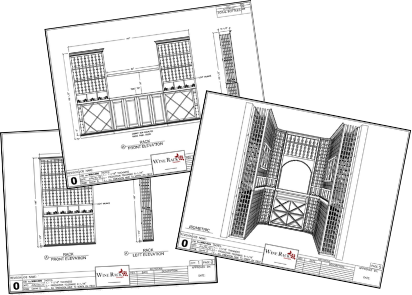
Have an expert help today!
Free 2D wine cellar design